
The transfer and adoption of scientific information in New Zealand agriculture is below optimal levels. This is particularly so in regard to genetic improvements in the sheep industry. The New Zealand sheep industry has experienced declining revenue versus expenditure ratios for two decades. Drastic changes in attitudes, policies and strategies will be required in all New Zealand pastoral industries during the next decade to reverse trends in declining commodity prices in real terms. Changing farm practices involves changes in perceptions and attitudes. Many techniques are available to change agents to bring this about. To be successful a change agent requires strong interpersonal relationship skills. In the author’s opinion the most important of these are to do with developing empathy with the client, active listening, avoiding creating a defensive environment, and encouraging a supportive environment.


 2025
2025 Competition vs Collaboration: A Balancing Act for Success
This report by Tim Waehling shows how East Coast maize grain growers can boost resilience and profitability by building collaborative networks to overcome costs and ...
 2025
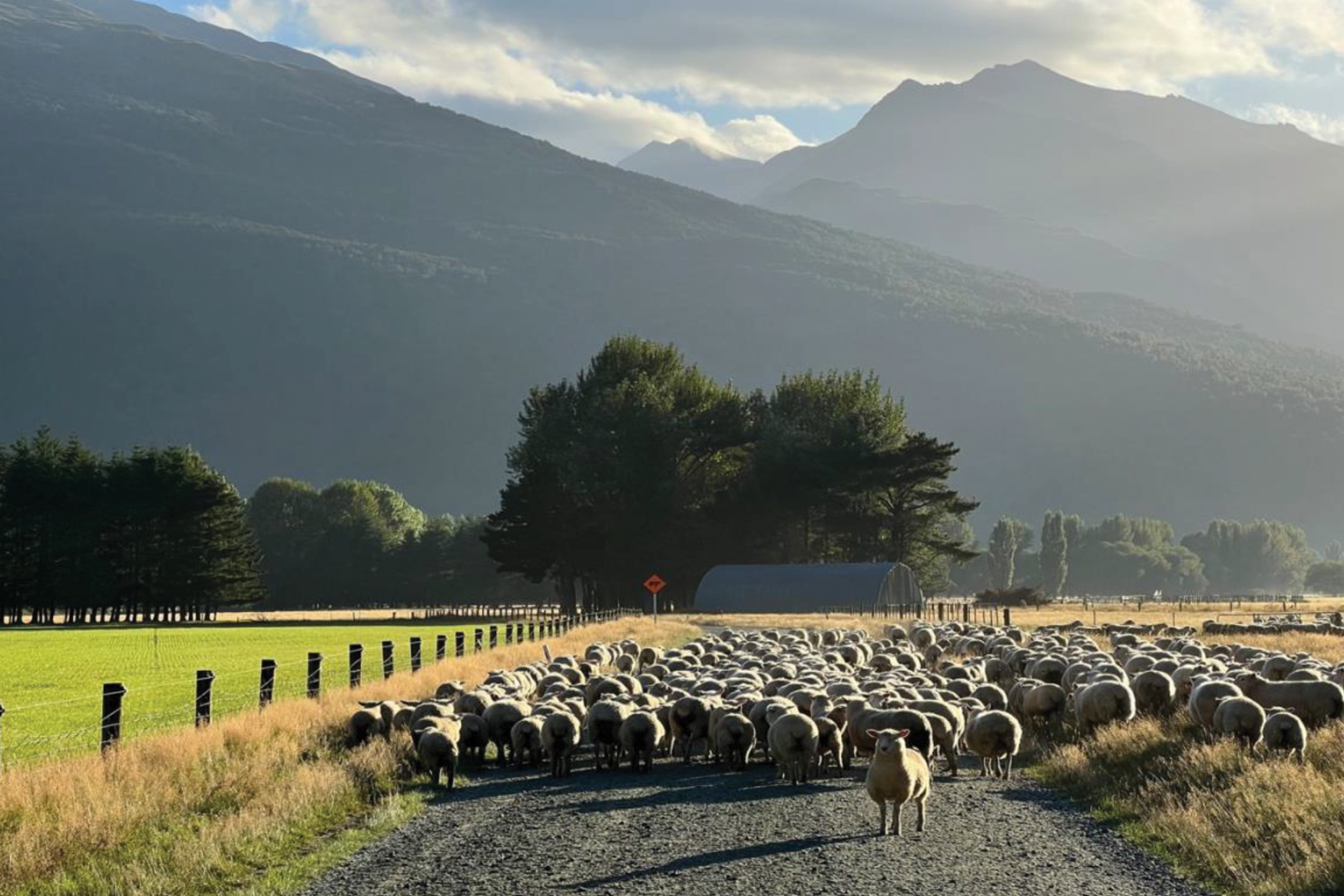
2025 How can we Maximize Production in our Decreasing Ewe Flock?
This report by Matt Ward looks at boosting ewe flock productivity amid national decline by using terminal sires, better genetics, and more innovative flock strategies ...
 2024
2024 Climate Change in the Waikato – Land use opportunities and threats
This report investigates the impact of climate change on Waikato's agriculture, highlighting risks like increased heat stress and drought for livestock farming, while identifying opportunities ...