
The transfer and adoption of scientific information in New Zealand agriculture is below optimal levels. This is particularly so in regard to genetic improvements in the sheep industry. The New Zealand sheep industry has experienced declining revenue versus expenditure ratios for two decades. Drastic changes in attitudes, policies and strategies will be required in all New Zealand pastoral industries during the next decade to reverse trends in declining commodity prices in real terms. Changing farm practices involves changes in perceptions and attitudes. Many techniques are available to change agents to bring this about. To be successful a change agent requires strong interpersonal relationship skills. In the author’s opinion the most important of these are to do with developing empathy with the client, active listening, avoiding creating a defensive environment, and encouraging a supportive environment.


 2024
2024 Future Proofing our workforce: Retaining the Skills for tomorrow’s growth
This report seeks to ensure that Central Otago’s horticulture industry remains robust, sustainable, and attractive to both current and future professionals.
 2025
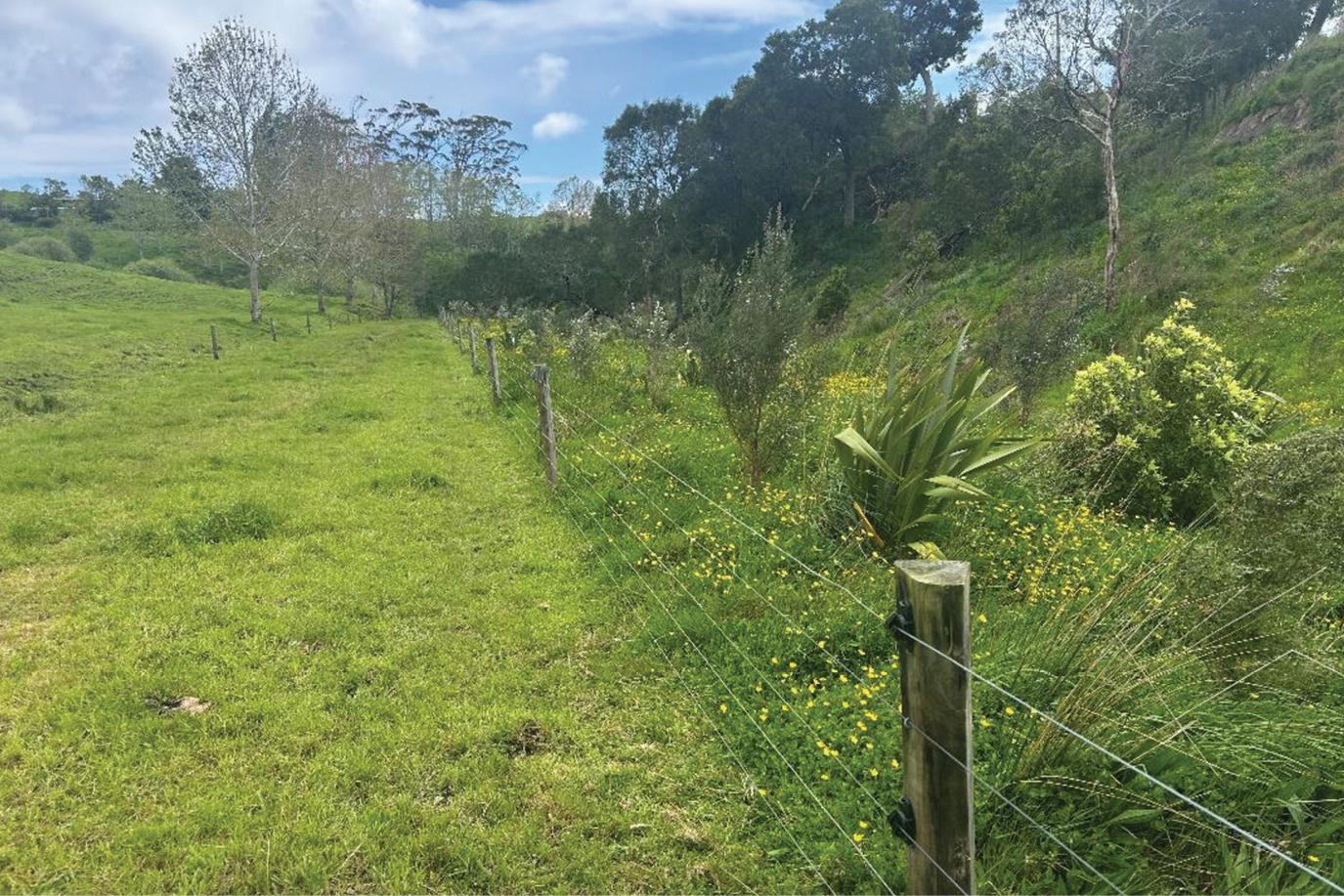
2025 Are Biodiversity Credits an Opportunity for Sheep and Beef Farmers?
Farmers show strong interest in biodiversity credits, but high administrative costs and unclear financial incentives remain challenges. This report by Tim Orlando-Reep recommends simplifying measurement ...
 2025
2025 From Retention to Resilience: Strengthening MPI’s Veterinary Workforce
Veterinarians are vital to MPI’s export, biosecurity, and food safety systems. This research identifies key retention challenges and offers strategies to build a resilient, engaged ...