
The share milking agreement has been part of the dairy industry for many years now and plays an important role in combining equity and providing a path to farm ownership. The sheep and beef sector has been slow to pick up on this concept. To highlight this it is estimated that one third of all dairy farms in New Zealand employ a share milker where as it is thought that less than 2% of sheep and beef properties involve share farming to any degree. For this reason it is felt that there is huge potential in the sheep and beef industry for share farming as a means for young farmers who otherwise wouldn’t be able to grow their equity through farming and land owners who are looking for an alternative management structure to combine their resources. The aim of the study is to give those considering the idea a brief overview of what is involved, what has already been done and what possibly needs to be considered before entering into such an agreement.


 2025
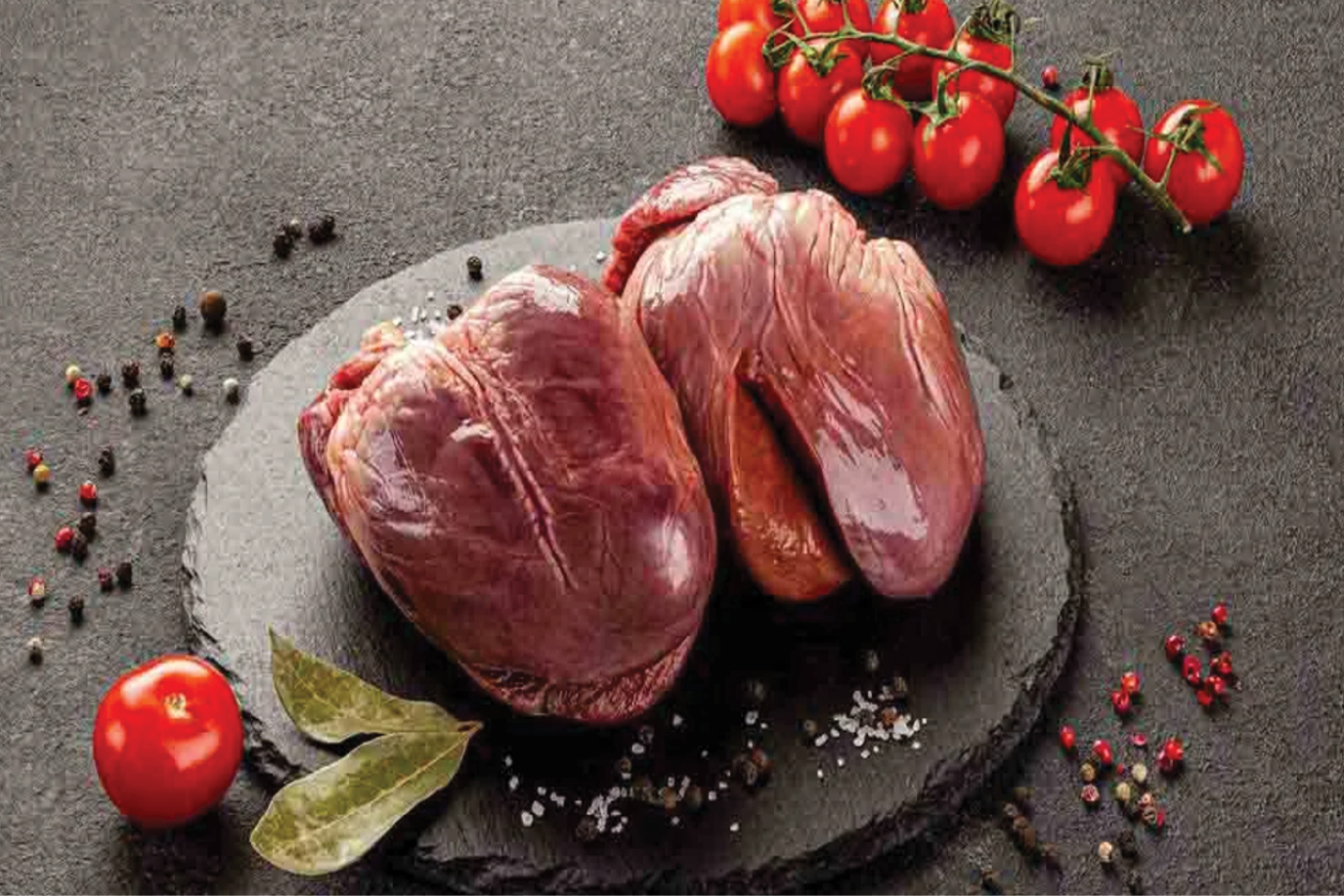
2025 The Fifth Quarter: Are Farmers Paid for This?
This report by Geoff Crawford asserts that co-products in the “Fifth Quarter” are undervalued, limiting farmers’ returns and that improved transparency, collaboration, and fair value ...
 2024
2024 Opportunities and Challenges for the Future of Arable Farming in Canterbury
This report aims to provide insight from a grower’s perspective on the opportunities and challenges of arable farming in Canterbury for the future.
 2025
2025 Dairy Farmers Love Sharing Data… But There is a ‘But’
This report explores how NZ dairy farmers approach on-farm data sharing amid regulatory pressures. Farmers are rational—sharing data when trust, control, and value are assured. ...