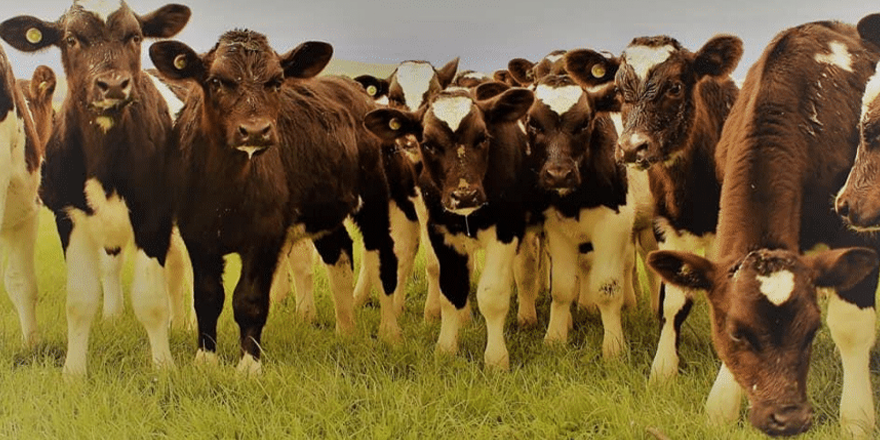
It is time for the dairy industry to stop sweeping the bobby calf issue under the carpet. Approximately 2 million calves are surplus to dairy requirements intended for human consumption and pet food (MPI, 2015). The bobby calf numbers are trending upwards since 2000 and is causing a lot of welfare concerns from animal activists.
I believe there is significant potential for the bobby calf to be reared as quality beef, beef farmers are struggling to source good quality calves that will finish with a profitable value, calf rearers are vulnerable within the markets volatility. Globally beef demand is rising, and Its becoming more harder for beef finishers to purchase quality young stock to carry through. I put together a questionnaire and had a reply from 30 dairy farmers. The dairy farmers are referring the issue to being to hard and to much risk.
The following was researched
- How to create a pathway to reduce significant numbers slaughtered at 4 days old in New Zealand.
- History, Driving force and building trust to form relationships and successful businesses.
- Dairy beef genetic solutions for quality milk production, ease of calving traits, high carcass weights and quality marbeling.
- The new generation beef , the dairy- origin steer slaughtered at 10 -12 months.
- Forward marketing beef agreements, connecting producer, rearer and finisher with marginal prices to allow profitability, build incentives to share risks and gains throughout the production line till processing.
I have considered the relevance of all factors and there is an opportunity for a beef finisher to provide to order with a dairy farmer and a contracted calf rearer. Building relationship with incentives along the production line, the calf to be sold at a margin price to the calf rearer at 10 days old, the calf rearer to sell onto the beef finisher at agreed marginal price at agreed weight. Below or under weight the price will differ, this embeds management procedures throughout till finishing. At finishing every share holder will receive a percentage of the carcass.
I believe zero bobby farm systems are achievable with careful thought and planning into genetics, a focus towards building relationships. However there may still be a small percentage of bobby calves amongst our country.
“An increasing proportion of our beef is coming from the dairy industry and there is a growing demand coming from Asia where beef is prepared and consumed in ways that are different to our traditional markets,” Nicola Schreurs – Massey University.
Key recommendations
- A mutual support platform, engaging individual dairy and beef interests.
- Online auctions with forward marketing beef agreements
- Rearing calves for profit – An online platform to connect contracted calf rearers with farmers
Trudy Bensted