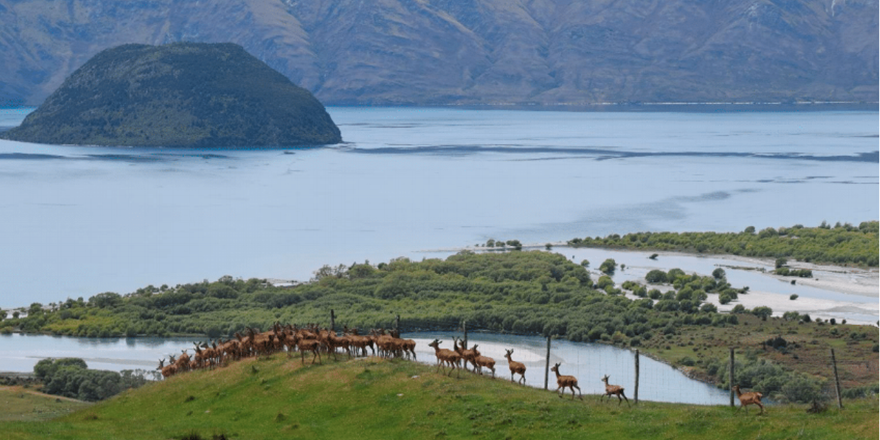
“The large-scale commercial farming of deer started in New Zealand, and New Zealand remains the world’s largest and most advanced deer farming industry” (DINZ, n.d.).
Recently, a significant increase in demand for pet food products has developed. This has been fuelled by American and European customers buying for pets which are now so highly regarded they are seen as members of the family. This is leading to greater importance being placed upon nutrition, taste and overall wellbeing of the animal, driving the customer to invest in high quality and novelty pet foods.
Venison has been counted as a novelty meat in the pet food ingredient classification. “Venison is seen as a natural, high-quality, lean snack in the pet industry which appeals not only for its nutritional values but because dog owners in particular think it’s something their animal’s ancestors might have eaten” (NZ Farm Life Media, 2016).
Mechanically Deboned Meat (MDM) is the product produced from the crushing and separating of bone from meat. As well as MDM, the organs from deer are able to be added to pet food products in small quantities, enabling labelling claims which indicate to customers that venison is present in the product but also enables a relatively high return per kilogram back to the New Zealand exporter who in turn can pass these benefits to the New Zealand farmer in the form of higher schedule prices for their livestock.
International pet food manufacturers have signalled however that they are dissatisfied with the cost per kilogram and are therefore searching the globe for alternative sources of venison. It appears that Spain and potentially Australia are able to meet a proportion of this demand, with more investigation required to determine if other nations are able to meet this demand.
What becomes apparent in this is that the disease status of the supplier country plays a significant part in market access. Freedom from Foot and Mouth Disease, Chronic Wasting Disease and BSE prevent the United States of America (US) and in some areas of the European Union (EU) from utilising their own deer population to meet this demand. The key suppliers of venison to the pet food market are at present left to Spain and New Zealand and some internal EU countries.
This poses a threat of substitution, rivalry in the industry and a new entrant threat to the New Zealand farmed-deer industry.
Rob Kidd