
The objectives of this project are to firstly to raise awareness of planning for retirement and farm succession. The second objective is to formulate and enunciate a consideration of the key elements of viability, communication, fairness, timing and attitudes toward retirement and farm succession and thirdly, in so doing achieve successful farm succession. There is a lack of knowledge about planning for successful retirement and farm succession in New Zealand. Overseas and New Zealand literature on issues such as the timing of retirement, retirement options, fairness to all children and the need for planning (Errington 1993/94; Gasson & Errington, 1993; Keating & Little 1991; Eaton; 1993; Lynch 1996; McCrostie Little and Taylor 1997) confirm the general themes of viability (flexibility & stability) communication, fairness, timing (planning) attitudes and stress. In the majority of cases (McCrostie Little and Taylor 1997) farm succession did not involve a ‘farm’ as a clearly defined package of land, plant and stock that passes from one generation to the next. Rather, it is a process where the traditions, skills and capital of farming are passed on. Three succession universals prevail: • retaining an adequate retirement income • being fair to all the children • managing succession so that the successors and the farm business are not burdened with debt. The following three observations are universal across the generations: • open communication between the generations • begin planning and preparation for retirement and succession early • be open to ideas, be flexible, be prepared to change.


 2024
2024 Can we add value to non-replacement calves?
The management of non-replacement calves, or bobby calves, is a constant challenge for the NZ Dairy industry. This report investigates potential options for reducing bobby ...
 2025
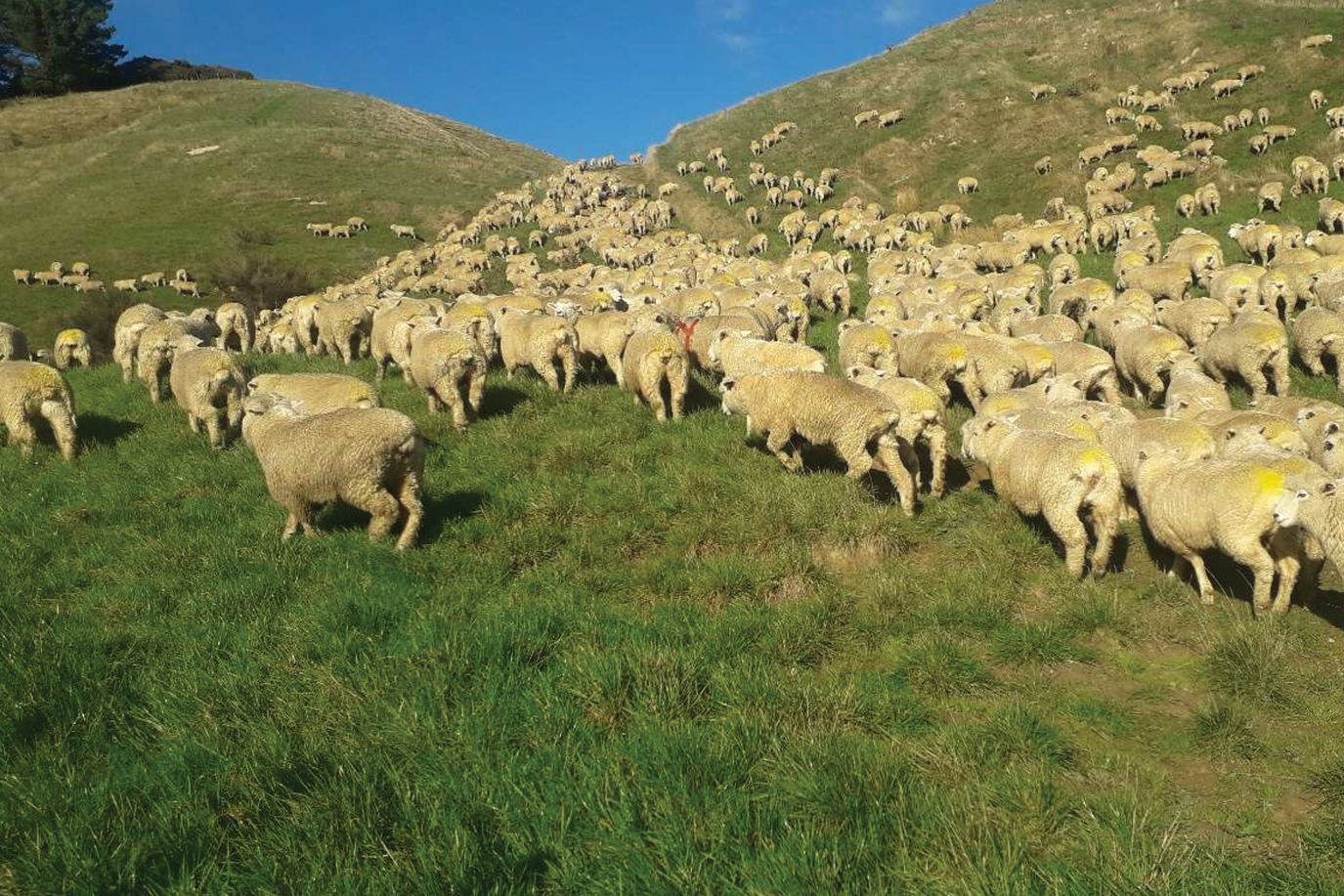
2025 27 and Ewe: Evaluating the Case and Appetite for Genotyping the NZ Commercial Sheep Flock
This report by Anna Vaughan evaluates if genotyping NZ ewes delivers enough genetic, market, and sustainability benefits to justify cost and adoption challenges.
 2025
2025 Evaluating the Potential of Increased Carbon Stocks and Biodiversity Outcomes to Fund Native Vegetation Management on NZ Properties
Cameron’s report examines whether monetised benefits from increased carbon sequestration or positive biodiversity outcomes could offset the costs of pest management and protection of native ...