
This study set out to discuss staff turnover, the factors that drive turnover and the implications of varying levels of turnover on the productivity and profitability of a business. Of particular interest was the examination of staff turnover in the agricultural sector in New Zealand the current levels and the factors driving turnover. Current statistics suggest that turnover levels in agriculture, particularly in the Sheep & Beef and Dairy sectors, appear to be quite high. This image is contributing to an unrealistic view that careers in agriculture are undesirable for potential new entrants. Given the continuing need for human labour, albeit at a reduced rate (compared to a generation ago), it is vital that some effort is expended in identifying causes of negative perceptions agricultural careers. This study’s aim is to explore turnover as one of the contributing factors to agriculture’s negative image.


 2024
2024 Climate Change in the Waikato – Land use opportunities and threats
This report investigates the impact of climate change on Waikato's agriculture, highlighting risks like increased heat stress and drought for livestock farming, while identifying opportunities ...
 2025
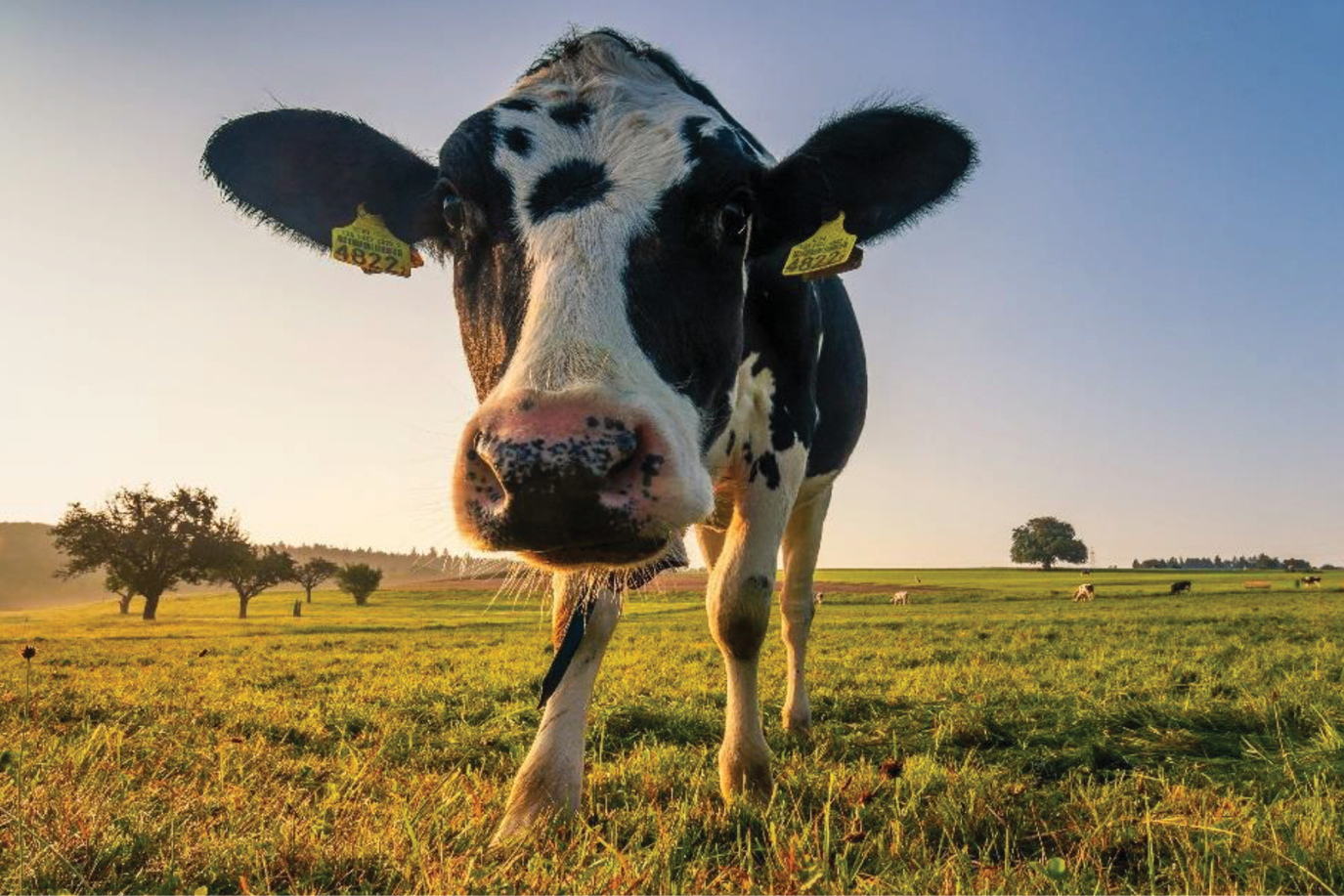
2025 Collars, Costs and Returns: Assessing the Value of Cow Wearables in NZ Pasture Systems
Wearable technologies offer real benefits in monitoring, labour efficiency, and safety on NZ dairy farms. David March’s report discovers that for high-performing operations, financial returns ...
 2025
2025 Factors Driving High Value Client Relationships: A Rural Banking Perspective
This report by Michele Findlay examines how rural managers build trusted, high-value relationships with clients in food and fibre. It identifies attributes, leadership practices, and ...