
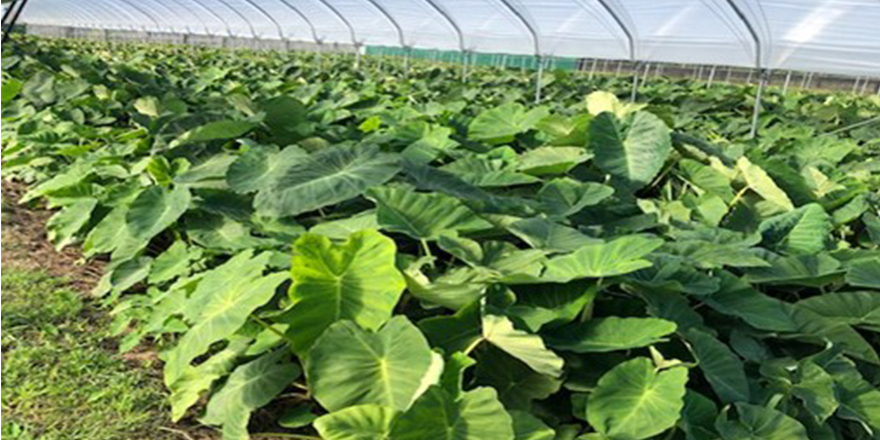
A new narrative for New Zealand-based Pasifika farmers is required. The primary industries and government have an opportunity to contribute through shared principles of productivity, inclusivity, and sustainability. Supporting the upliftment of Pacific indigenous farmers in the long run can only contribute to the New Zealand global food story and help reduce social and income inequities.
The aim of this report is to gain an understanding into the New Zealand Pasifika subsistence farming operations, identify the skills and values being developed/maintained in this setting, assess the sustainable livelihood opportunities, and understand the potential values and skills New Zealand-based Pasifika bring to the Primary Industries.
Key findings:
- There is a lack of formal research on Pasifika subsistence farmers in New Zealand to allow baseline assessments.
- When assessed against the livelihood assets of the sustainable livelihood framework (SLF), New Zealand Pasifika subsistence farmers are challenged to access the capital assets (natural – land, physical – buildings, technology, financial – generate income, or investments) required to move from subsistence to surplus and generate income. Pasifika farmers’ strongest assets are human and social capital.
- Pasifika’s key skills include traditional knowledge of horticulture production, intercropping, nutritional management, agronomy, crop rotation, seed/germplasm banks, entrepreneurship, biodiversity, agroecology, companion planting, hunting and gathering, and animal husbandry.
- Pasifika’s key values identified were, kinship, stewardship, and reciprocity.
- Absence of clearly defined policies that support the economic development of New Zealand Pasifika subsistence farmers.
Recommendations:
- Data – undertake further research to map the current New Zealand-based Pasifika subsistence farming landscape to inform future investment/development.
- Partnership – form partnerships between New Zealand Pasifika subsistence farmers and Primary Sector e.g., horticulture and pork industry in exchange for shared livelihood assets to create sustainable livelihoods.
- Workforce development and mobility – use the findings from this research to enhance primary sector workforce development plans that include opportunities for the development, attraction, improved participation of Pasifika peoples in their sector.
- Collaboration – bring together NZ Government, Pacific Governments, and FAO to discuss and consider opportunities to extending capacity building in the Pacific to include New Zealand-based Pasifika subsistence (indigenous Pacific Island peoples) farmers and their communities as long-term investment in agriculture and horticulture developments in the wider Pacific diaspora.
- Road map – develop a road map for Pasifika subsistence farmers aspiring to create livelihood through successful Pasifika Agribusiness opportunities. Government agencies (MPI, MFAT, MBIE, TEC, MPP) to lead.
- Transformation – development and delivery of compliance-based training by the regional/local and central Governments to help transform Pasifika subsistence farming businesses from informal to formal. In addition, help shift non-compliant mindsets towards voluntary compliance.
Melaia Lousi