
On-farm Certification programmes and the successful uptake of them by producers relies on some key elements especially if the programmes are to help mitigate the ‘licence to operate’ debate that is currently hampering intensive agricultural practice. Certification programmes operate in many different contexts – the size, depth and distribution of them through the supply chain varies between individual producers and their industry. Certification Schemes operating behind the farm gate have great scope in bridging the understanding of product integrity, product quality, production systems and the supply chain from the local community, regulator, and customer through to the end consumer. Certification Schemes are generally over pinned by a wider quality programme. Quality programmes are not solely focused on the end outcome rather look to encompass the whole process from start to finish, stream lining the links in the chain resulting in a high quality outcome. Therefore the use of a quality programme for on-farm production systems is hugely important if the producer wishes to offer repeatability of product quality and integrity to the consumer. Producers and Industry that currently operate on-farm quality programmes have illustrated that through their niche market opportunities financial rewards to the producer can be harnessed. The implementation of these programmes requires strong and clear communication around the context of the programme and the objectives to the producer. Producers enjoy the recognition, opportunities and relationships that ride on the back of having a successful quality programme implemented within their business operation. How long can all industry and producers delay the implementation of on-farm quality programmes? Can producers and industry afford to ‘sit on the fence’? The opportunity arising from proactive management through implementing a quality scheme outweighs a hamstrung approach to farm management.


 2024
2024 Turning skills into profit: How do we grow profitable dairy farmers?
This research paper aims to identify the key skills that drive profitability in NZ's dairy farming sector and explore how targeted training and development can ...
 2025
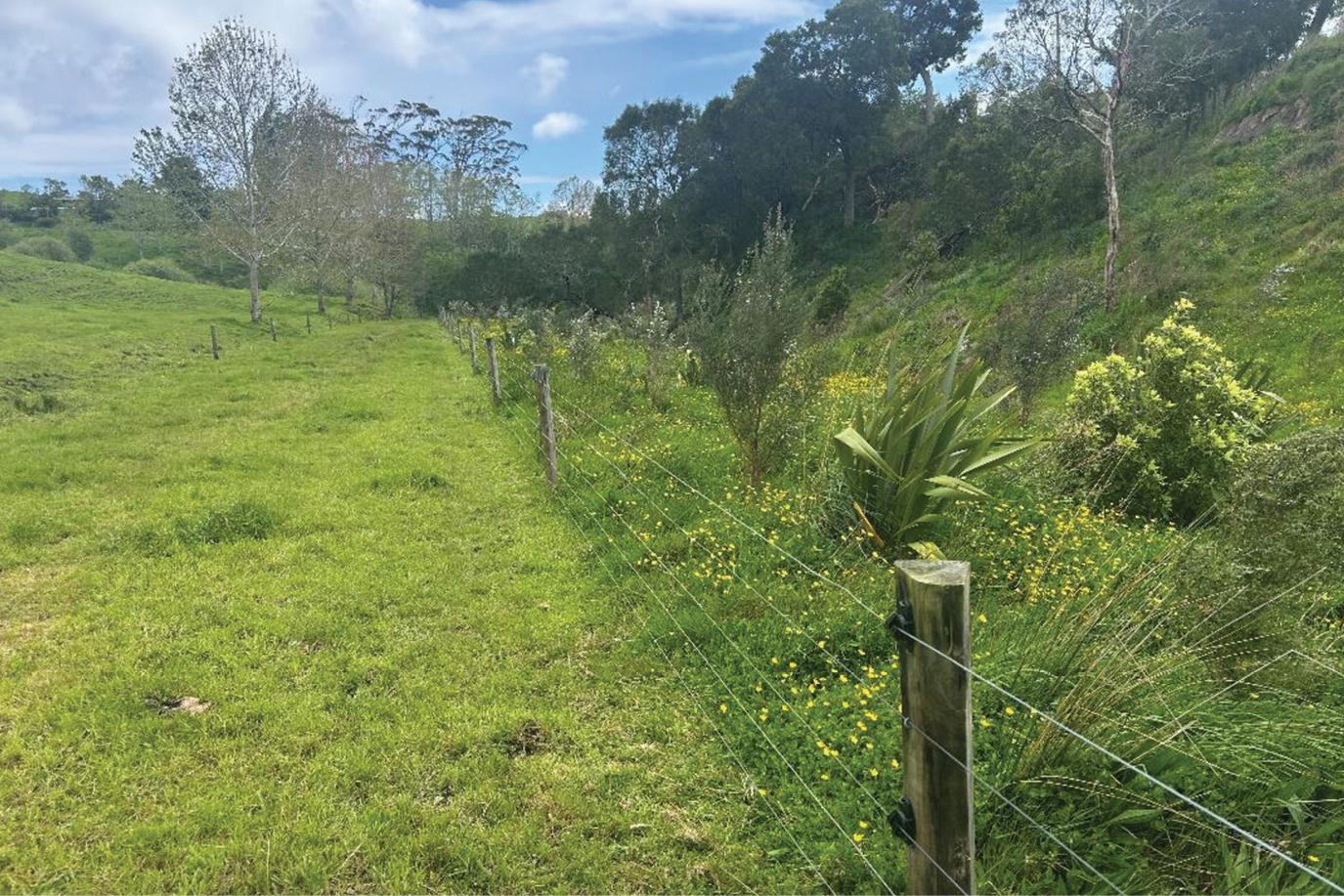
2025 Are Biodiversity Credits an Opportunity for Sheep and Beef Farmers?
Farmers show strong interest in biodiversity credits, but high administrative costs and unclear financial incentives remain challenges. This report by Tim Orlando-Reep recommends simplifying measurement ...
 2025
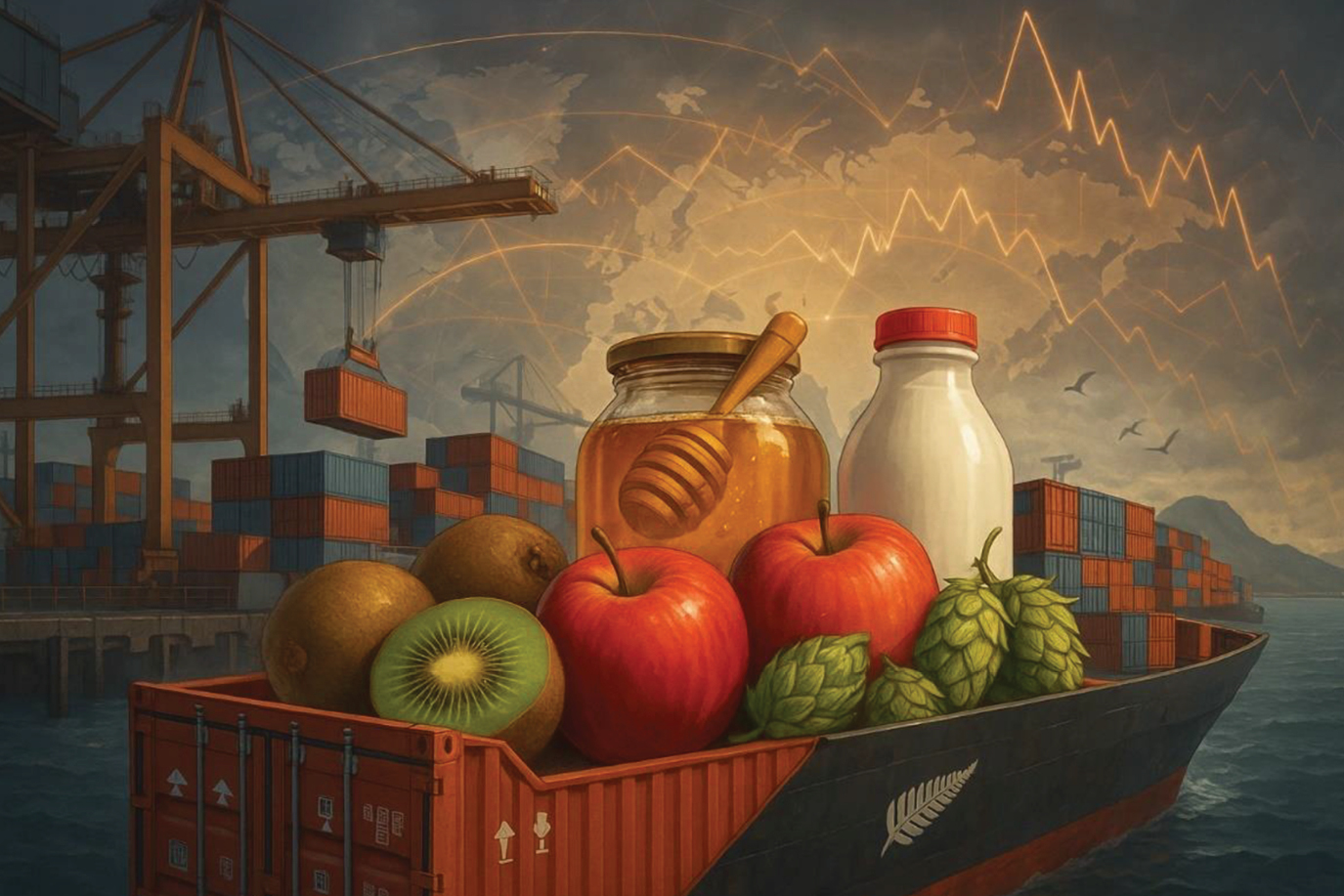
2025 Trading in Turbulent Times: Positioning New Zealand’s Global Food Trade, in a Shifting Global Order
NZ’s food exports depend on strong global partnerships and market trust. This report by Olivia Smith explores how innovation, integrity, and strategic investment, not volume ...