
The Maize grain industry in New Zealand has remained relatively static over the last 5 years in both the human and animal food sectors. The domestic market in New Zealand presents limited opportunities to expand in both the food and animal sectors. In addition, New Zealand’s internal market which is 80% driven by demand from compound feed manufacturers is driven solely by the cost of the products. Subsequently most of the feed manufacturers look to displace maize grain as a key ingredient in their blends when they can source a cheaper alternative grain or by-products such as Palm Kernel to substitute the volume of maize grain. In order for the maize grain industry to thrive over the next 10 or more years New Zealand must drive demand for New Zealand made products and look at how and where those products can be positioned into the New Zealand animal feed industry and wider into the market external to New Zealand. New Zealand competitive edge is its clean, green image and in particular its stance on non-GMO stance. However this edge does not mean that exporting to most countries is viable. Some countries are non-discernible about GMO and quality including Japan and China who purchase maize grain predominantly on price. There is an opportunity however to investigate Korea as a potential market. Koreans value the New Zealand’s clean, green and healthy image and therefore also select GMO free grain in the food production. Koreans also have a perception that New Zealander’s values are strongly aligned with the values of their culture. New Zealand needs to position itself as a supplier of GMO-free high end premium maize grain into this market by establishing a sub-brand through a holding Company. This will ensure that quality standards are met by growers adhering to strict specifications and that the New Zealand brand is safe guarded.


 2025
2025 The Organic Sector With No More GE Free
This report by Matt Scarf investigates how ending NZ’s GE-Free status could affect the organic sector, threatening premiums, trust, and growth, while recommendations include clear ...
 2025
2025 Competition vs Collaboration: A Balancing Act for Success
This report by Tim Waehling shows how East Coast maize grain growers can boost resilience and profitability by building collaborative networks to overcome costs and ...
 2025
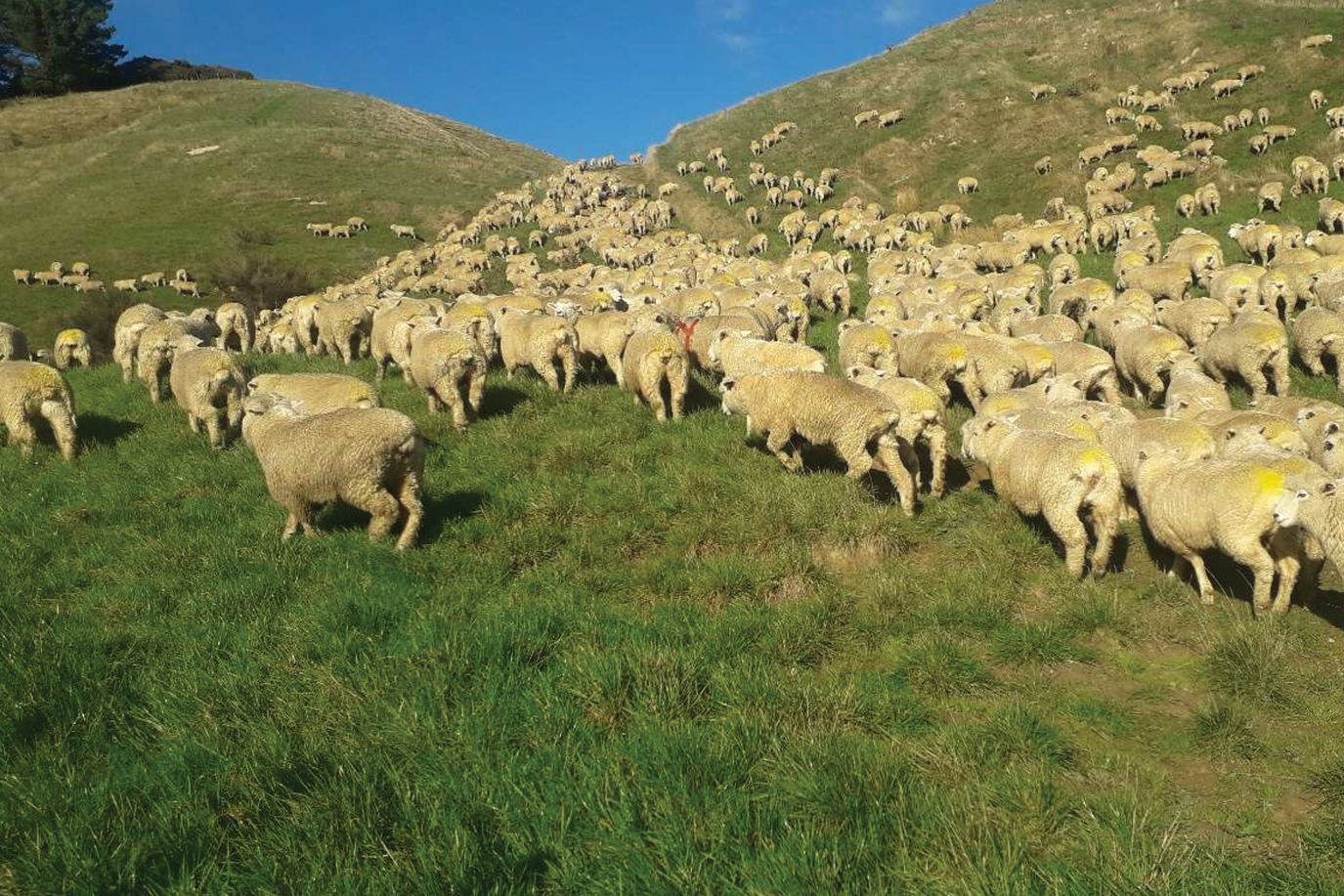
2025 27 and Ewe: Evaluating the Case and Appetite for Genotyping the NZ Commercial Sheep Flock
This report by Anna Vaughan evaluates if genotyping NZ ewes delivers enough genetic, market, and sustainability benefits to justify cost and adoption challenges.