
The protection of New Zealand’s indigenous biodiversity of New Zealand is a significant national issue. Central Hawke’s Bay (CHB) has not escaped comments about the continuing loss and degradation of native bush, and apparently slow rate of protection. At the same time there is an increasing awareness within farming circles of the value of these remaining bush areas and an enthusiasm for voluntary protection work. Continual pressure from livestock and pests threatens the remaining bush. Rules have been proposed to maintain this status quo, in many cases as a backstop to prevent an unknown number of landowners from hastening this decline by more deliberate means. The administration and enforcement of rules involves consents, bureaucracy and money. To date, the CHB District Council has placed its faith in voluntary protection, rather than rules which don’t offer any protection against gradual degradation. Can this fear for the future be allayed by focusing on what is being gained? Regeneration can and does repair past damage and losses. To answer the question of whether rules are needed in CHB, I have: • Estimated the native bush areas remaining, • Quantified what native bush areas have been voluntarily protected using legal covenants, • Looked for any trends in the rate of protection, and • Costed protection work and on-going commitments.


 2024
2024 Foraging New Horizons: Levers of Sustainable Innovation in the NZ Food and Fibre Sector
This report aims to identify key inflexion points for New Zealand agriculture to adopt sustainable practices, enhance market opportunities, and drive systemic transformation through collaborative ...
 2025
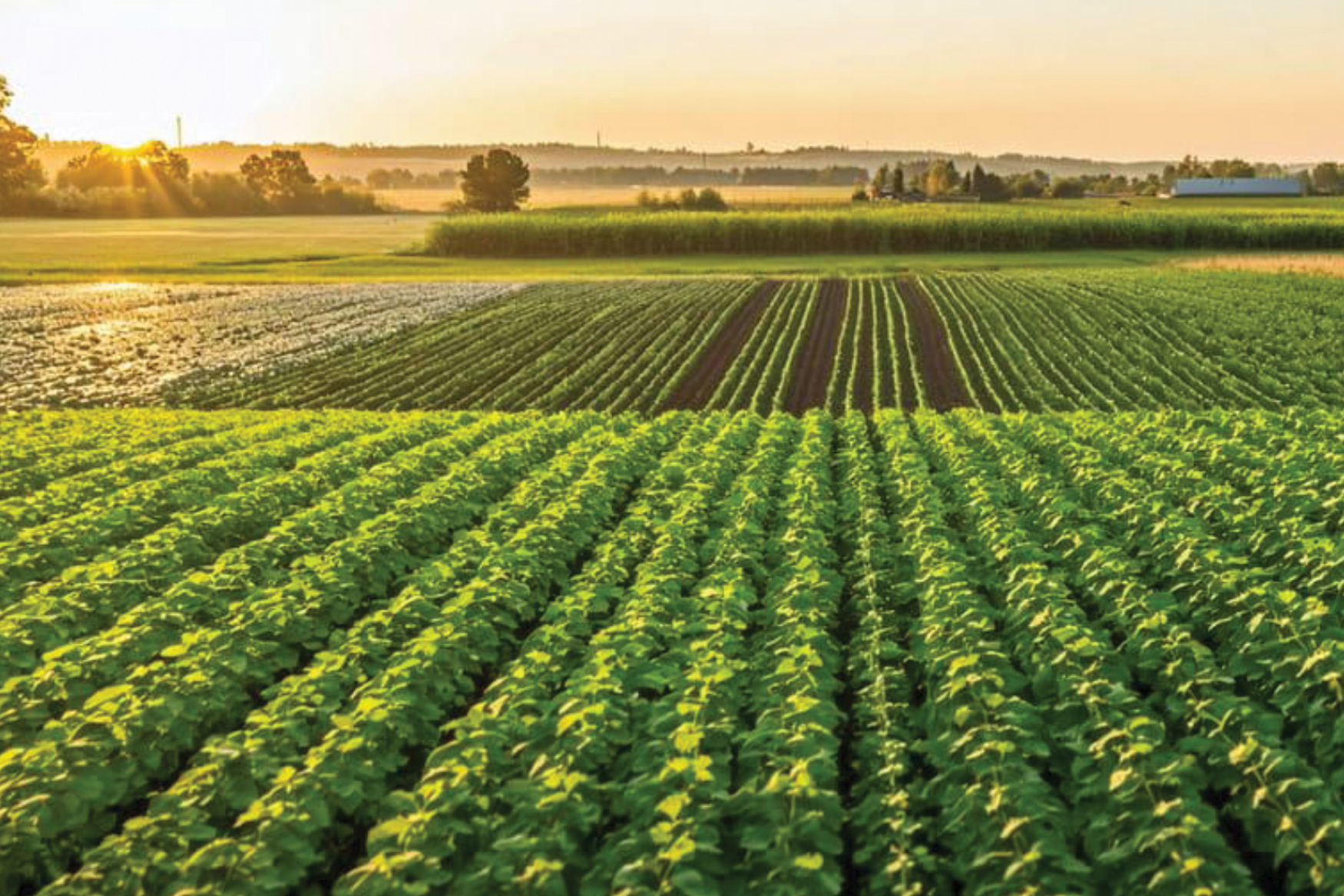
2025 Softer Crop Protection, the Way of the Future?
This report explores integrating biopesticides and IPM in NZ horticulture. Barriers include limited knowledge, resistance to change, and outdated regulations. Recommendations highlight education, expert collaboration, ...
 2025
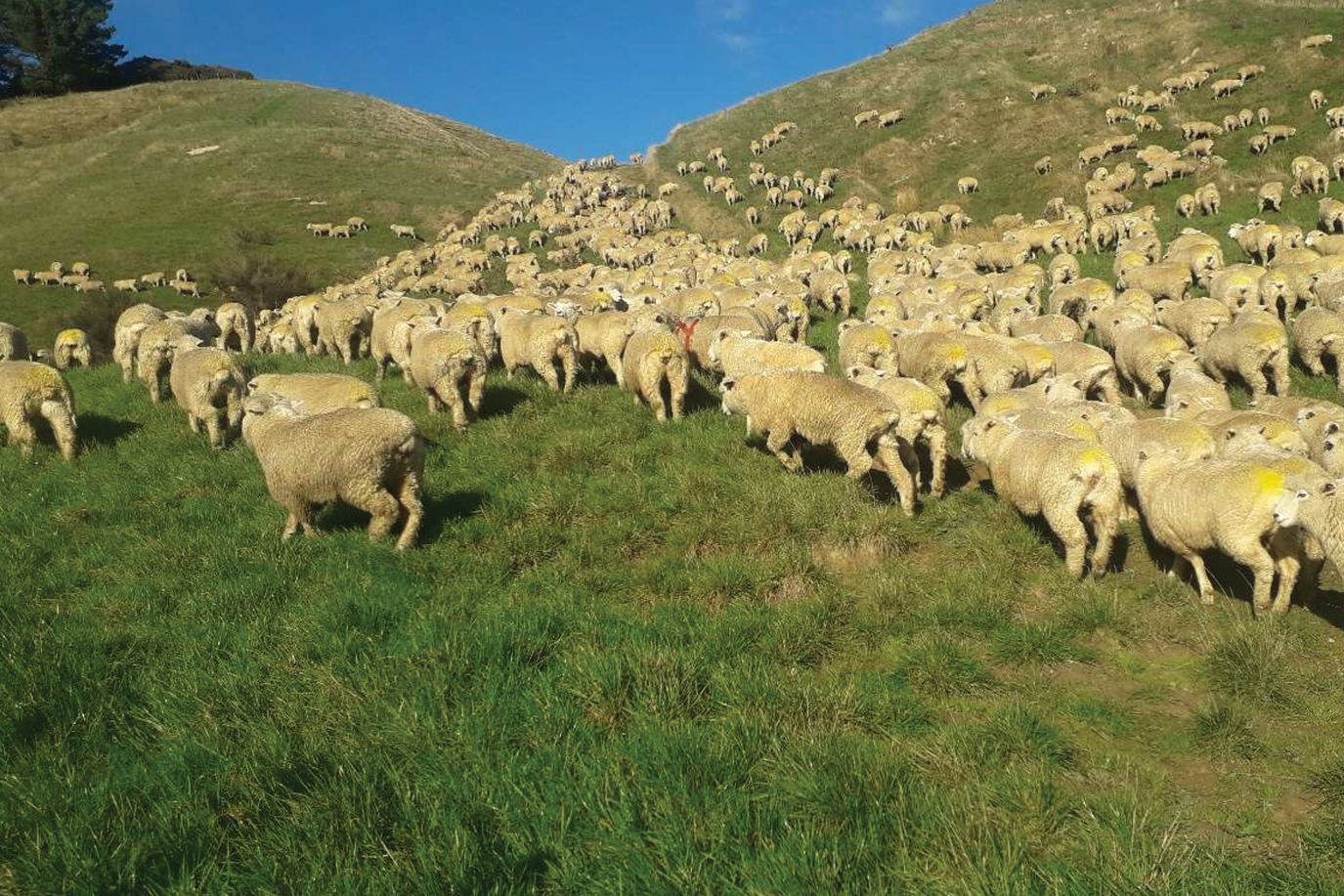
2025 27 and Ewe: Evaluating the Case and Appetite for Genotyping the NZ Commercial Sheep Flock
This report by Anna Vaughan evaluates if genotyping NZ ewes delivers enough genetic, market, and sustainability benefits to justify cost and adoption challenges.