
The New Zealand Beef Industry is a niche producer of a global commodity which is undifferentiated in the market place. Being grass fed beef from a huge number of different breeds, we have a product that lacks consistency and is badly affected by the production cycle of the US Beef Industry. The future for The NZ Beef Industry should focus on Branding and Eco-Labelling, with a drive to vastly improve the consistency and eating quality of NZ Pasture Prime Beef. Tenderness and Juiciness are the two biggest concerns that consumers have when asked to contribute feedback on what they prefer in Beef. Inconsistency in NZ Beef is a result of too many and varied breeds of cattle, with few if any quality signals going back through the many industry layers back to the breeder. America has fallen to the advances of Pork and Poultry and I feel NZ may follow suit if we don’t get proactive in making the consumer feel they do have a choice when buying beef and not the pot luck situation that has niggled the Industry for years. Food Safety is a huge issue that the beef industry must come to grips with. We must enact Quality Assurance procedures from pasture to plate that guarantees to the consumer that NZ Beef is as safe as food can get, with an audit trail to boot. Food Tourism is the message a successful branding strategy needs to purvey. When people see the signage they must feel adventurous and free. A story which captures the imagination will reinforce the perception that NZ beef is so natural, so healthy, and so safe to eat that a large premium for this feeling is totally warranted.


 2025
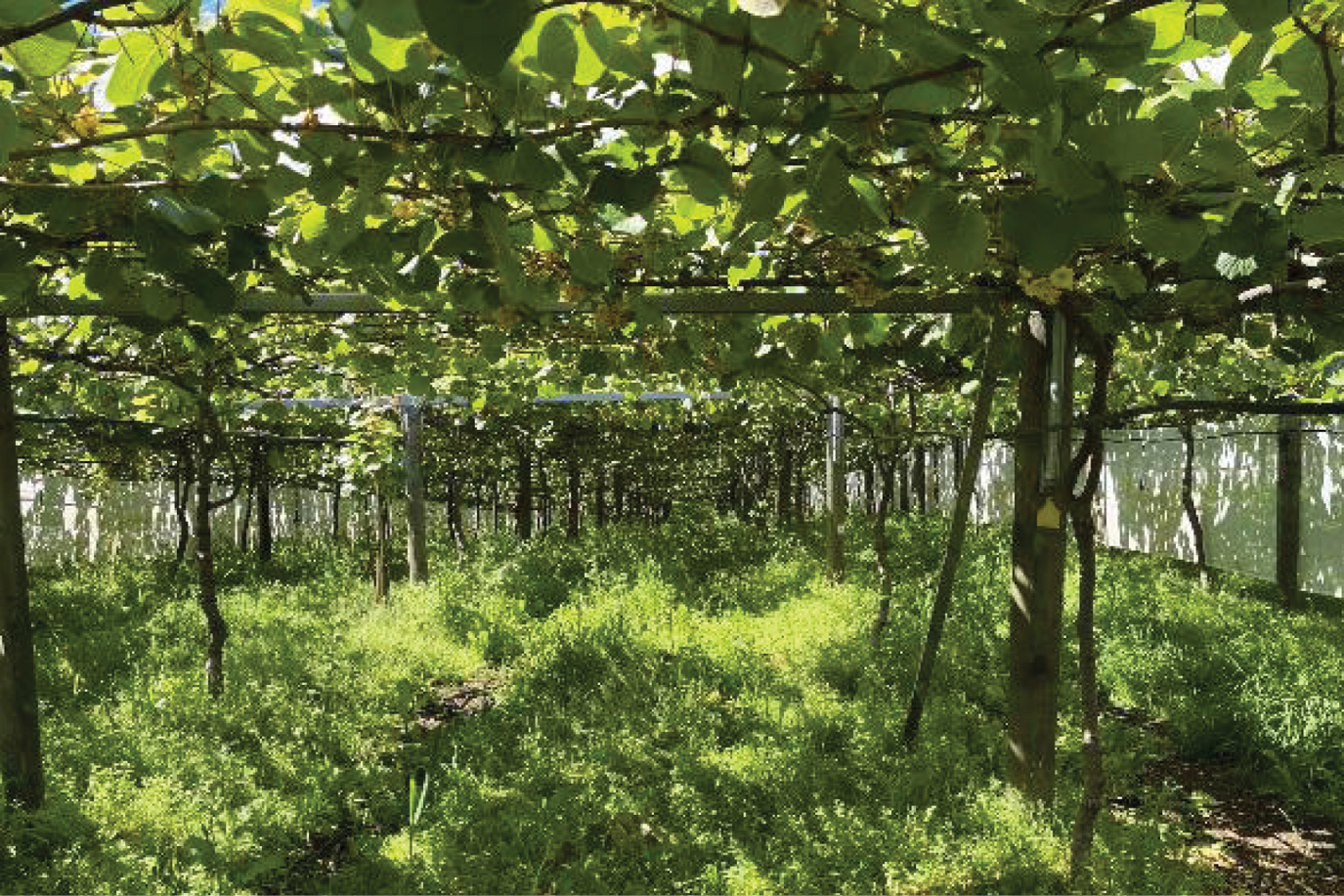
2025 Regenerative Agriculture in Kiwifruit Orchards – Barriers to the Adoption of These Practices
Regenerative agriculture is a holistic farming approach aiming to regenerate soil health and biodiversity. Pranoy Pal’s Kellogg report asserts that a lack of scientific data, ...
 2024
2024 Understanding GMOs and NBTs: A New Zealand perspective
This report explores the evolving landscape of gene technology in NZ, focusing on the implications of genetic modification (GM) and the New Breeding Techniques (NBTs) ...
 2025
2025 Factors Driving High Value Client Relationships: A Rural Banking Perspective
This report by Michele Findlay examines how rural managers build trusted, high-value relationships with clients in food and fibre. It identifies attributes, leadership practices, and ...