
The Integrated Fruit Production (IFP) programme for pipfruit began in New Zealand in 1996 and by 2001, 100% of export fruit was being produced under IFP. New Zealand IFP guidelines were developed from IOBC principles and matched carefully to local production conditions. The rapid rate of implementing the guidelines was largely attributable to the industry’s strong reliance on export markets and the legislated single seller status operating at the time. The implementation of IFP has lead to a 95% reduction in the use of organophosphate insecticides, and a 50% reduction in overall insecticide use. The use of dithiocarbamate fungicides that are disruptive to integrated mite control programmes has been reduced by 50%, and there has been a considerable reduction in the use of residual herbicides. This report looks briefly at the history of IFP and describes both the process of implementation and benefits achieved from the introduction of IFP to the New Zealand pipfruit industry.

 2025
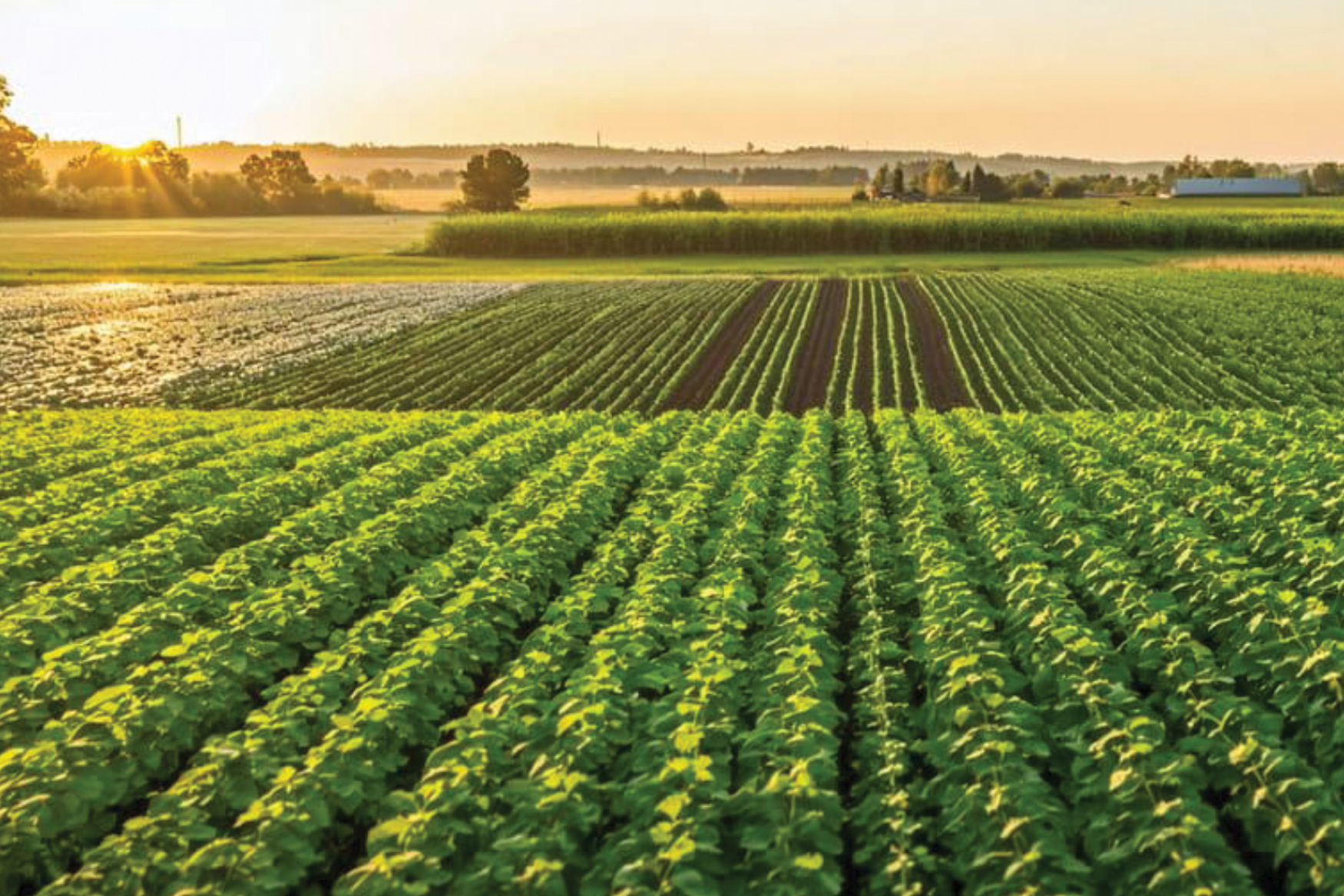
2025 Softer Crop Protection, the Way of the Future?
This report explores integrating biopesticides and IPM in NZ horticulture. Barriers include limited knowledge, resistance to change, and outdated regulations. Recommendations highlight education, expert collaboration, ...
 2025
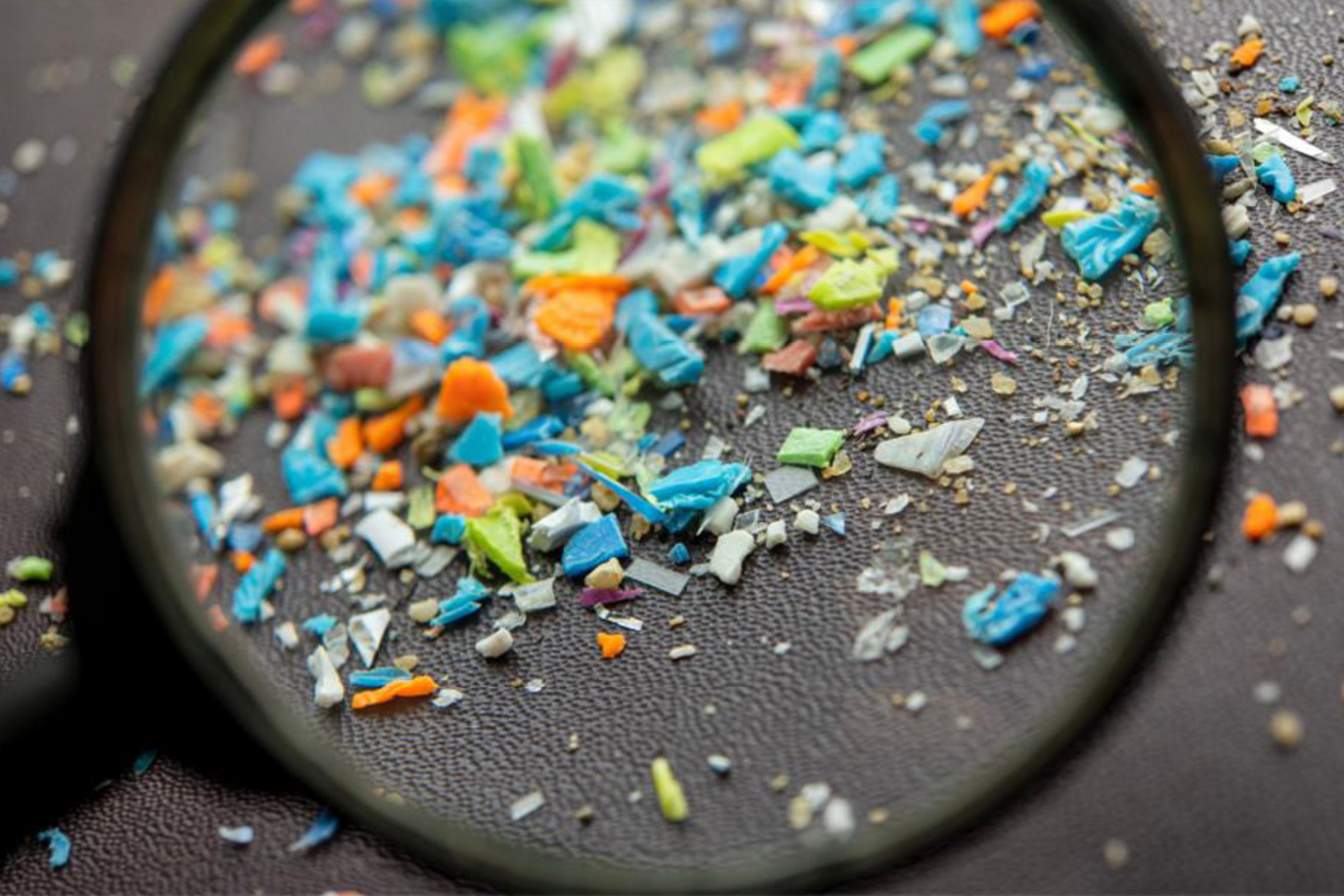
2025 From Farm to Fork: Are Microplastics Putting Our Community’s Health at Risk?
Are microplastics entering NZ’s dairy supply? This report by Nicky Halley explores potential risks, public concern, and practical steps for farmers, industry, and policymakers to ...
 2024
2024 Is the grass greener under irrigation?
With a changing New Zealand climate causing more frequent and more severe dry spells, including in regions previously seen as less vulnerable, the reliability of ...