
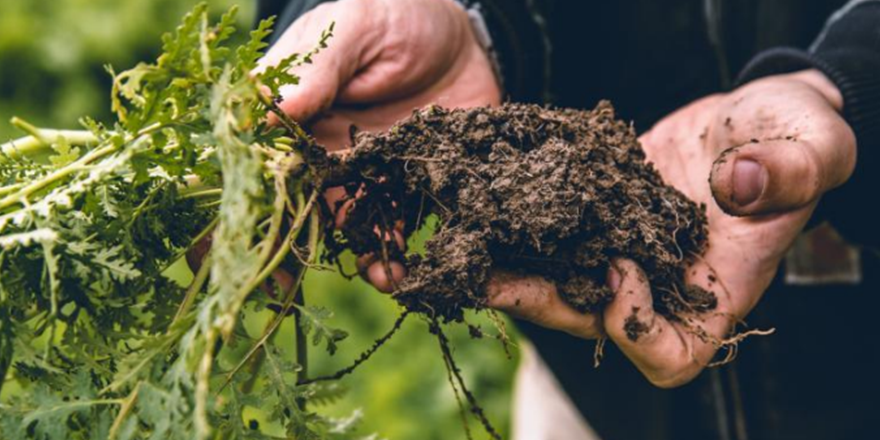
Internationally increasing soil carbon in agricultural soils has the potential to offset greenhouse gas emissions. This project evaluates the role of soil carbon in relation to farm greenhouse gas emissions in New Zealand. Agricultural soils in NZ have naturally higher levels of carbon than those overseas because they are typically younger and our practices include more restorative pasture and animal phases. Therefore we may not be able to increase soil carbon in the same way as international studies suggest.
The aim of this project was to examine the role of soil carbon in NZ and in relation to farm greenhouse gas emissions and policy. Key groups industry stakeholders were identified and interviewed. From the results themes were identified and analysed to answer the study questions.
The key learnings of this project were:
- It is unlikely that soil carbon will play a role in the offsetting of greenhouse gas emissions in New Zealand agriculture because levels on farms are already high.
- The complexity of including soil carbon in an emission scheme could be inaccurate and lead to unwarranted costs for farmers.
- It is more important that farmers focus on retaining and avoiding losses of soil carbon.
- Soil carbon contributes to soil health by improving soil physical properties such as water and nutrient holding capacities.
- More research is needed on soil carbon in NZ, where it is practical to increase it and how.
- Farms are businesses and need emissions reduction solutions that are going to be both practical and ensure that their businesses remain financially viable.
The recommendations from this project are that:
- More research be done on management practices that could increase soil carbon.
- Information be presented to farmers on the benefits of soil carbon.
- Tools be made available so that farmers can compare the effect of different practices on soil carbon.
- Farmers need help to better understand their greenhouse gas emissions and a range of solutions on how to reduce them.
- The industry and the broader society need to support farmers as they adapt their businesses to account for and reduce emissions.
Nicole Mesman