
Water quality issues are at the forefront of people’s minds at present. The sheep and beef sector is coming under increasing pressure to ‘do their bit’ to improve water quality on farm. This is not necessarily a straight forward task, and there are a number of barriers preventing widespread action. The sector is also coming under pressure to produce more in an increasingly resource constrained environment. The aim of this project was to investigate sheep and beef farmer views on barriers to uptake of environmental practices on-farm, seek sheep and beef farmer views on how the industry might improve uptake of environmental practices on-farm to manage the challenges ahead and test these views with environmental activists. Thirteen sheep and beef farmers in the Waikato (including Taumarunui) and Bay of Plenty Region who were considered to be relatively innovative and involved in the industry were interviewed on a range of questions relating to environmental practices on farm. In addition, four environmentalists were interviewed to test some of the farmer views on them and get their perspective. A trustee from the Grasslands Trust was also interviewed as well as an ecologist from the Land and Water Institute in Australia. The major impacts sheep and beef farming are having on water quality is through nitrogen leaching and phosphorus, sediment and faecal coliform run-off. There are a number of practices to mitigate these impacts such as riparian fencing and planting, erosion control on steep hill country, avoiding pugging and compaction damage, smart use of fertiliser and sensible management practices with crops, particularly in winter. The farmers interviewed had undertaken a range of practices on their farms. Their motivations for these practices were generally related to management benefits such as improving animal health and safety, or ease of grazing management. However, they also had an understanding of mitigating their environmental impact. Most of the farmers interviewed wanted to undertake more practices, and the primary barrier to this was unsurprisingly, money. Other barriers for either the farmers interviewed, or their view on the barriers for other farmers were knowledge and understanding, attitude, fear of rules, the maintenance requirements, and not understanding the benefits in a practical or economic sense.


 2025
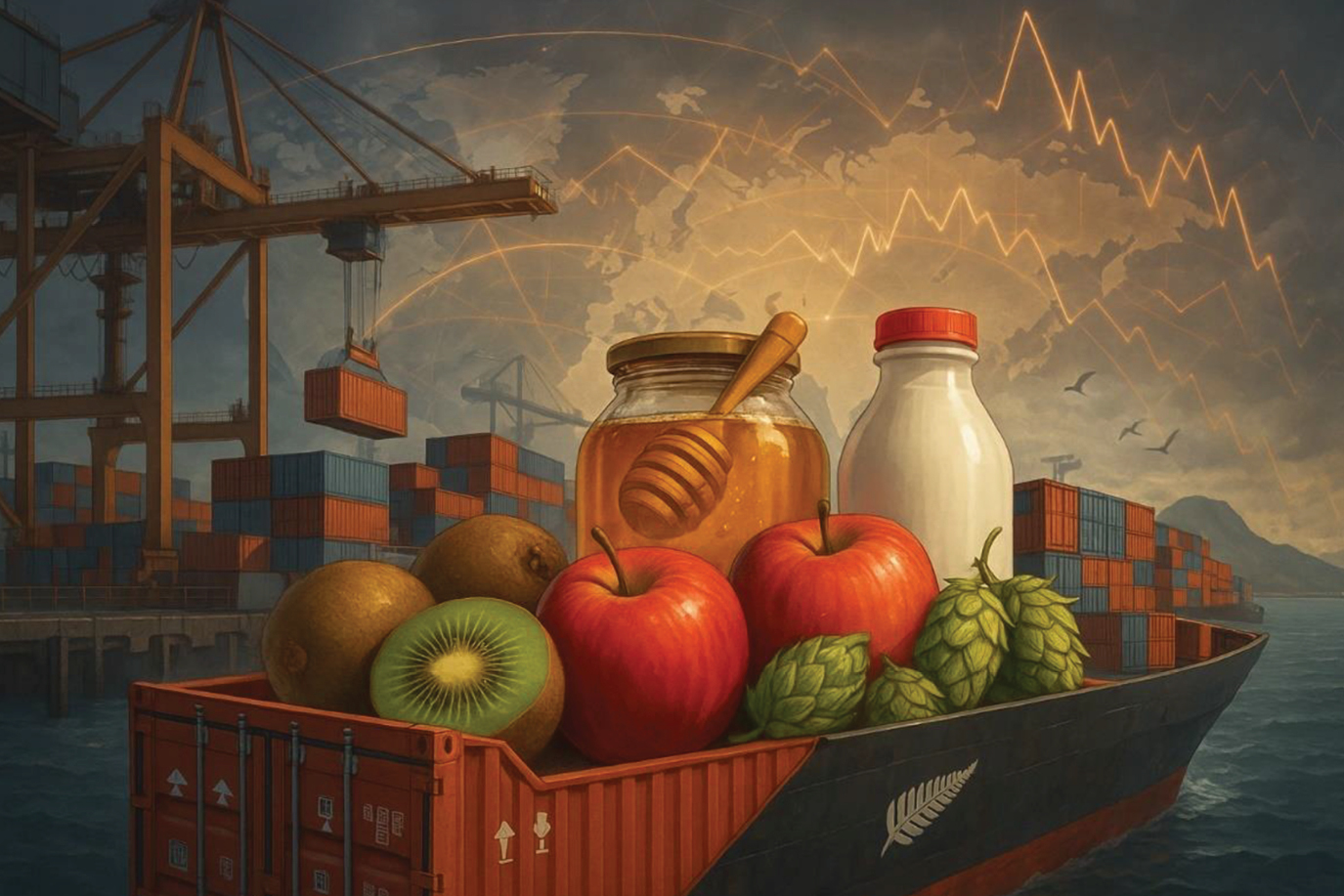
2025 Trading in Turbulent Times: Positioning New Zealand’s Global Food Trade, in a Shifting Global Order
NZ’s food exports depend on strong global partnerships and market trust. This report by Olivia Smith explores how innovation, integrity, and strategic investment, not volume ...
 2024
2024 Kaitiakitanga as a pathway to enduring prosperity
This report aims to show how Māori land trusts in Te Moana a Toi apply Kaitiakitanga principles to achieve sustainable governance and long-term intergenerational well-being.
 2025
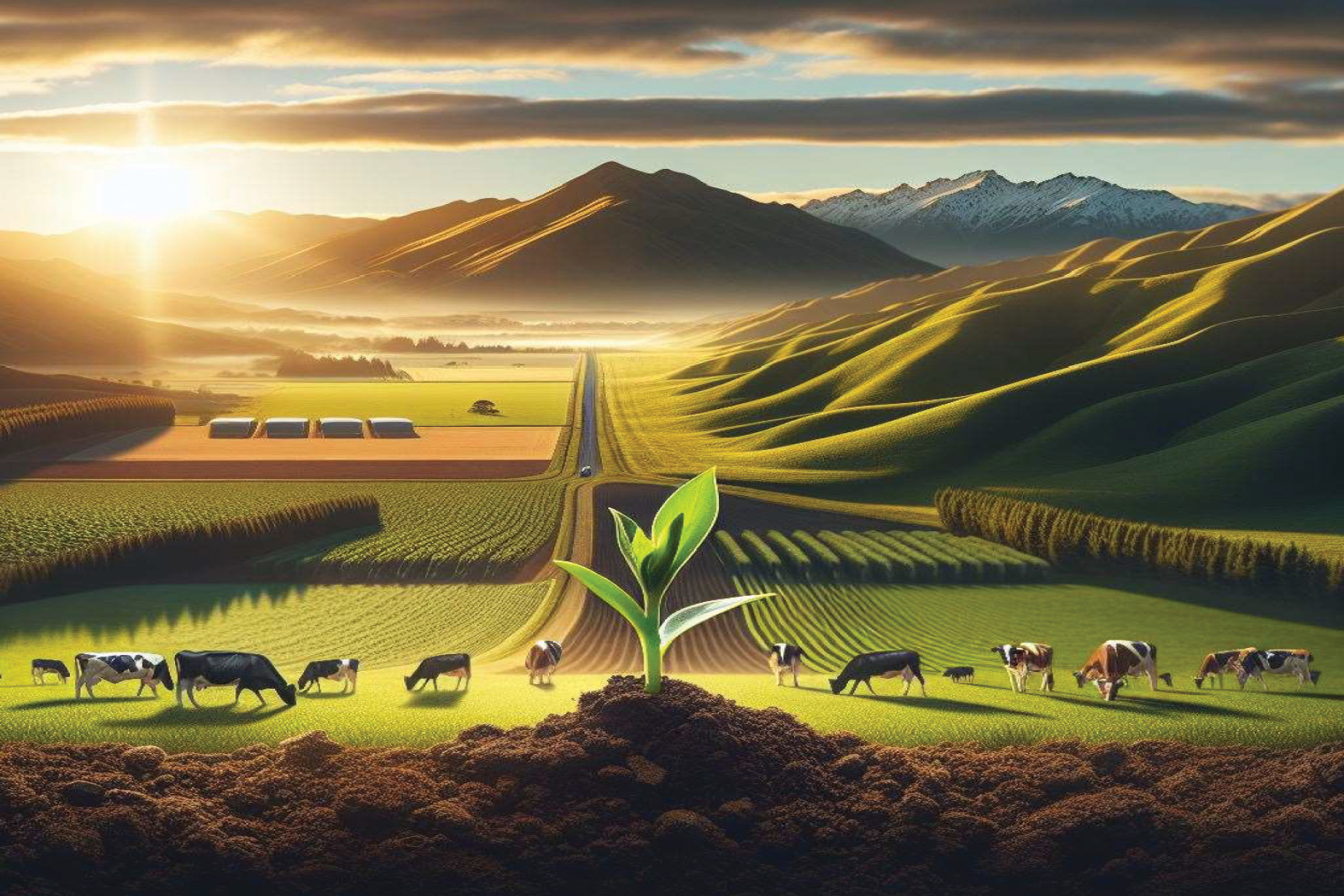
2025 From Seed to Success: Transitioning Farm Ownership in New Zealand and The Ownership Equation: Exiting with Value. Entering with Vision.
This report explores NZ’s changing farm ownership landscape, noting declining traditional pathways, rising land costs, and limited capital access. Models like equity partnerships show promise. ...