
This paper aims to layout the issues for farmers concerning the introduction of genetically engineered seeds and animals into the farm system. This informal paper is designed to be a ‘starting point’ for sheep and beef farmers who are interested in finding out what benefits and risks the technology of genetic engineering may hold for their businesses. It takes a stock-take of consumer attitude to genetic engineering and outlines the questions farmers need to answer before using genetically modified resources on their farm. Farmers need to consider how using genetically engineered products will effect – a) the marketability of their products b) the position of their products in world markets (e.g. commodity, niche) c) the diversity of income sources from their land d) farm production costs, including legal and compliance costs e) farm sustainability and ecology of the area f) genetic ownership structures and farmer autonomy g) farmer health, lifestyle and rural culture This paper cannot answer all the questions raised but it does attempt to provide farmers with some predictions for the future and some recommendations on how to approach the issues associated with agricultural genetic engineering. Farmers do have the ability to have some control over the direction of their industry; through their choice of what they grow and how, through the producer boards research and development priorities and through their lobbying power (e.g. Federated Farmers).


 2024
2024 Opportunities and Challenges for the Future of Arable Farming in Canterbury
This report aims to provide insight from a grower’s perspective on the opportunities and challenges of arable farming in Canterbury for the future.
 2025
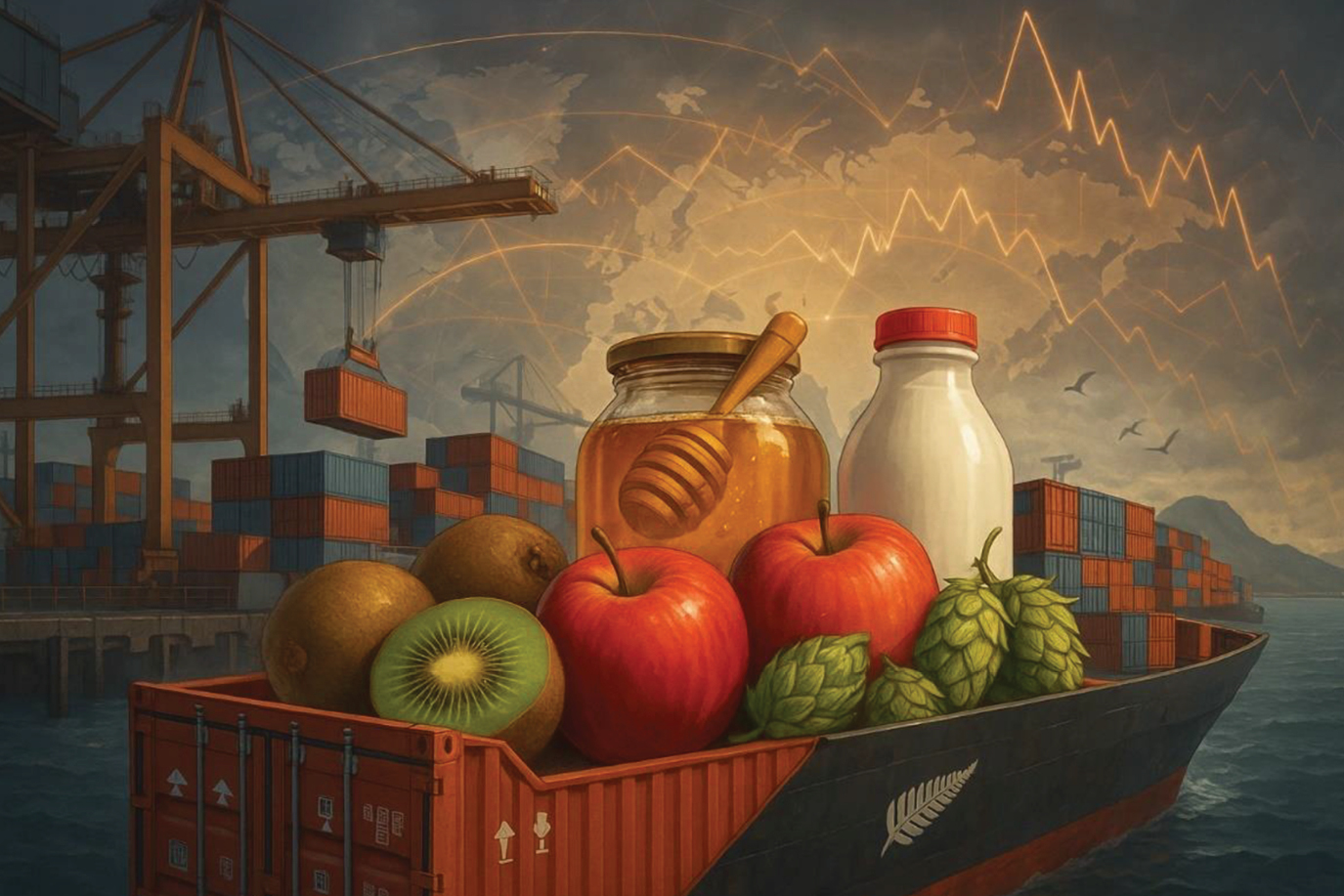
2025 Trading in Turbulent Times: Positioning New Zealand’s Global Food Trade, in a Shifting Global Order
NZ’s food exports depend on strong global partnerships and market trust. This report by Olivia Smith explores how innovation, integrity, and strategic investment, not volume ...
 2025
2025 The Organic Sector With No More GE Free
This report by Matt Scarf investigates how ending NZ’s GE-Free status could affect the organic sector, threatening premiums, trust, and growth, while recommendations include clear ...