
Dairy farmers take feed and convert that to milk and other farm products which are converted, typically in New Zealand by member co-operatives into marketable products for sale. The net revenue is distributed back to members through various payment models with the aim of providing clear market signals as to the value of their milk. Correct interpretation of those pricing signals should lead to the development of optimised systems to produce the right raw materials for more products. Could those signals in the New Zealand be so distorted that we are breeding for a less efficient animal than we could and destroying value? Today, for most suppliers, the market price is signalled to farmers through a Fat + Protein – Volume pricing model. It will be shown that this model is deficient in returning the correct pricing signals and is creating inefficiencies on farm and during manufacturing. More closely matching milk supply to finished product will improve on farm efficiency to converting feed to milk and manufacturing efficiencies in turning milk into products.

 2025
2025 Leadership Qualities Needed for First-Time Managers
Leadership in NZ agriculture now values people management. This report conducted a study of farm leaders and found trust, empathy, and reflection are key traits, ...
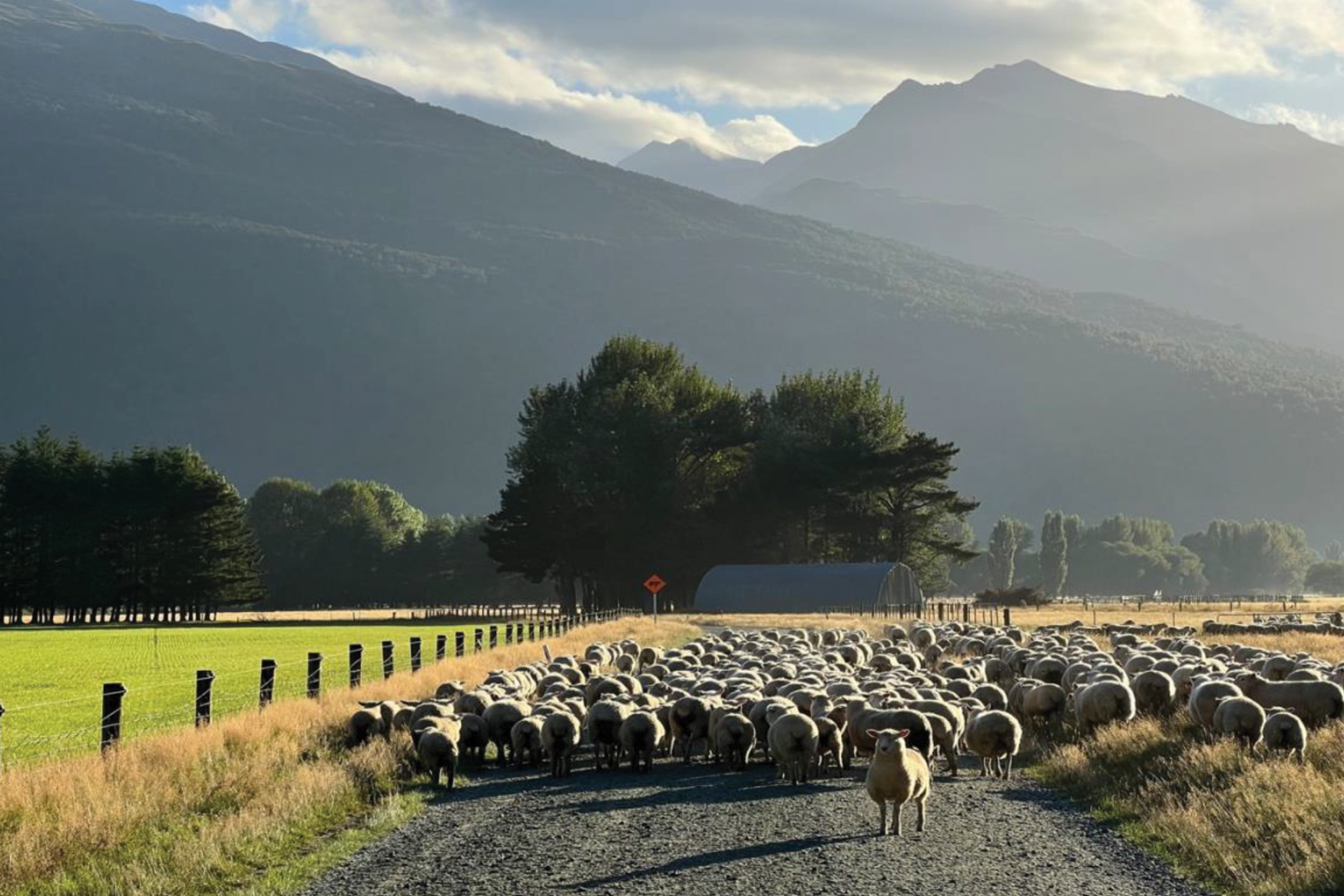 2025
2025 How can we Maximize Production in our Decreasing Ewe Flock?
This report by Matt Ward looks at boosting ewe flock productivity amid national decline by using terminal sires, better genetics, and more innovative flock strategies ...
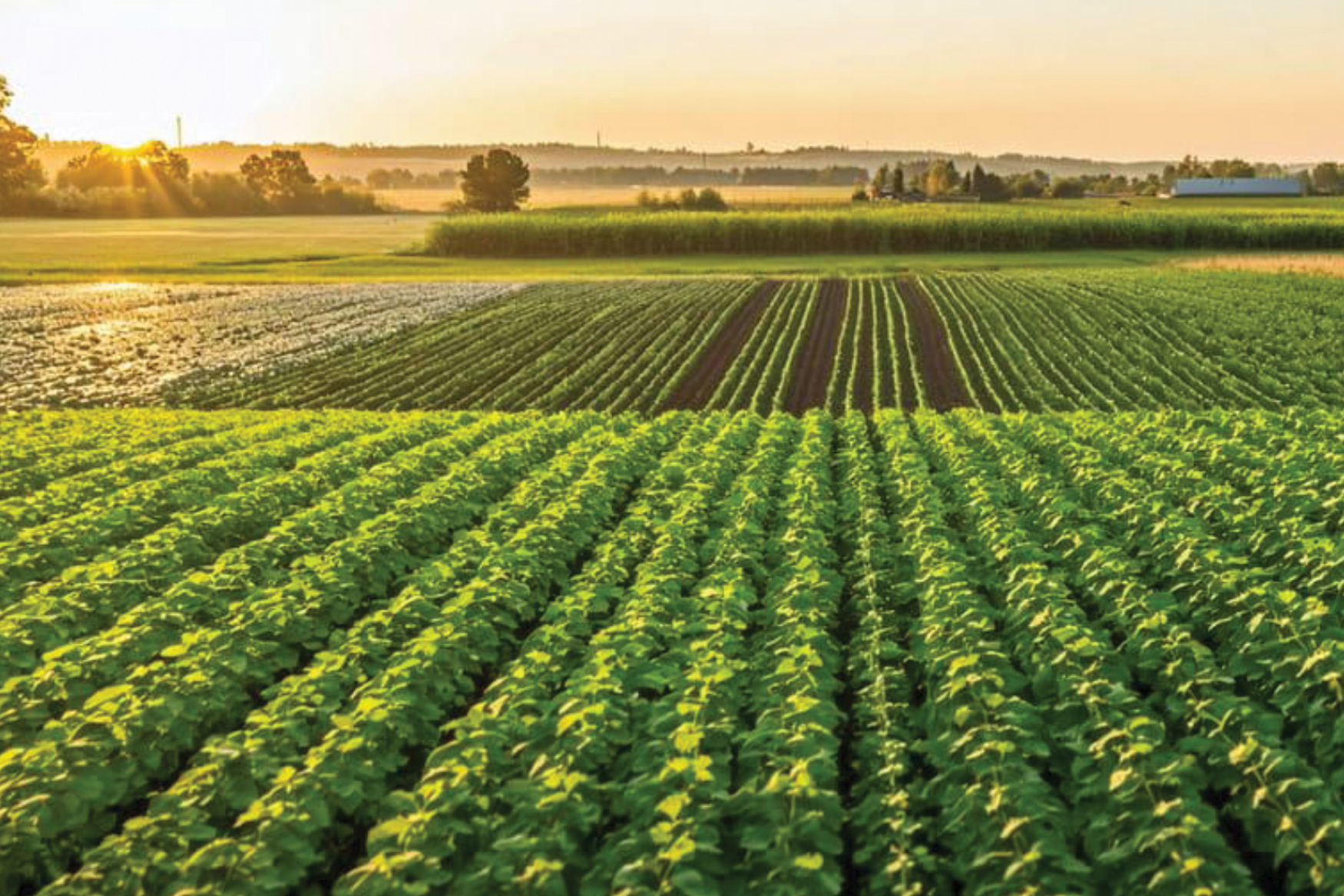 2025
2025 Softer Crop Protection, the Way of the Future?
This report explores integrating biopesticides and IPM in NZ horticulture. Barriers include limited knowledge, resistance to change, and outdated regulations. Recommendations highlight education, expert collaboration, ...