
Dairy farmers take feed and convert that to milk and other farm products which are converted, typically in New Zealand by member co-operatives into marketable products for sale. The net revenue is distributed back to members through various payment models with the aim of providing clear market signals as to the value of their milk. Correct interpretation of those pricing signals should lead to the development of optimised systems to produce the right raw materials for more products. Could those signals in the New Zealand be so distorted that we are breeding for a less efficient animal than we could and destroying value? Today, for most suppliers, the market price is signalled to farmers through a Fat + Protein – Volume pricing model. It will be shown that this model is deficient in returning the correct pricing signals and is creating inefficiencies on farm and during manufacturing. More closely matching milk supply to finished product will improve on farm efficiency to converting feed to milk and manufacturing efficiencies in turning milk into products.

 2024
2024 Better cattle handling: For people, product and perception
Exploring, educating, and applying low-stress livestock handling to benefit the people, product and perception of New Zealand’s beef industry.
 2025
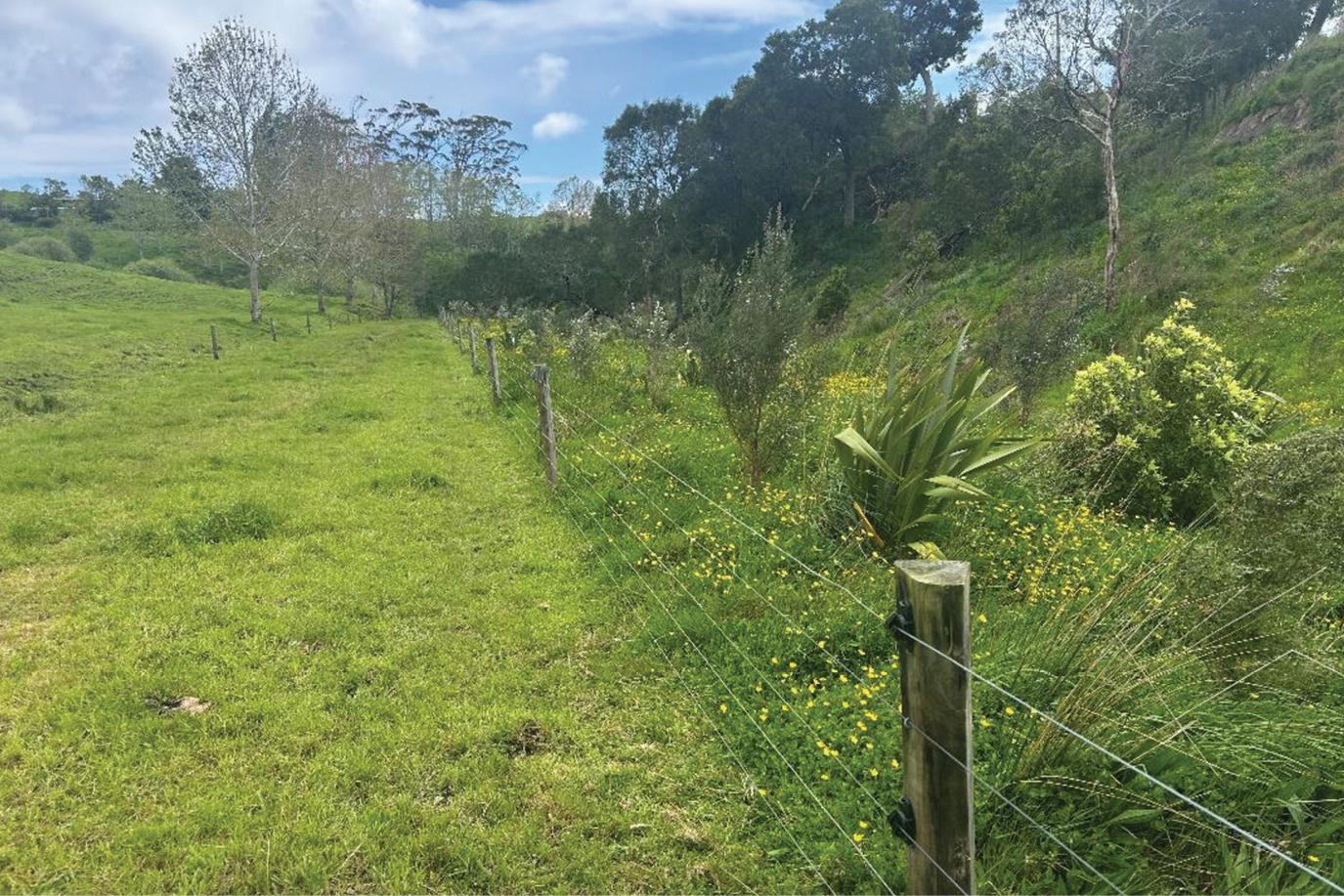
2025 Are Biodiversity Credits an Opportunity for Sheep and Beef Farmers?
Farmers show strong interest in biodiversity credits, but high administrative costs and unclear financial incentives remain challenges. This report by Tim Orlando-Reep recommends simplifying measurement ...
 2025
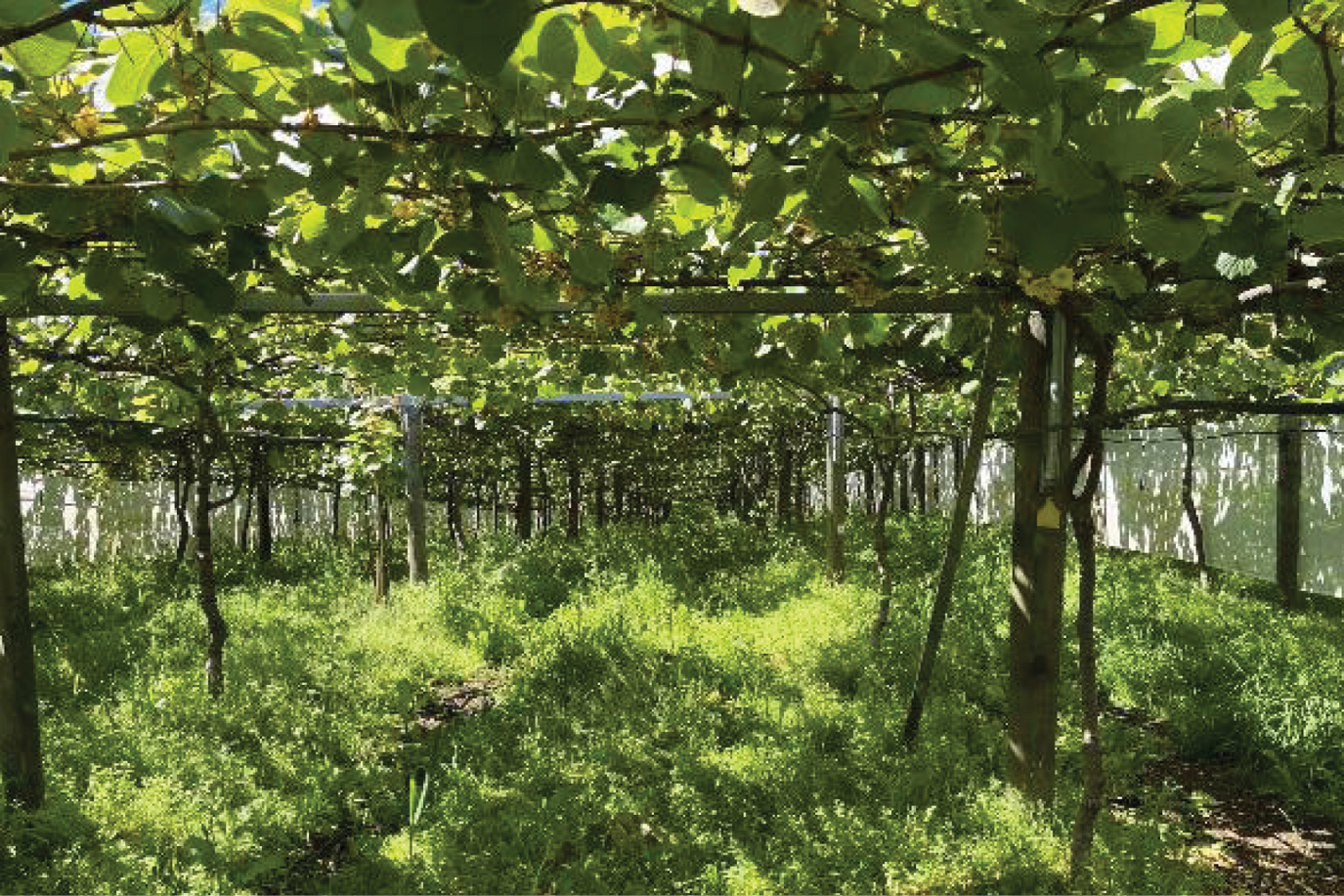
2025 Regenerative Agriculture in Kiwifruit Orchards – Barriers to the Adoption of These Practices
Regenerative agriculture is a holistic farming approach aiming to regenerate soil health and biodiversity. Pranoy Pal’s Kellogg report asserts that a lack of scientific data, ...