
There is a distinct lack of knowledge about the education attainment levels of New Zealandfarmers. There is little evidence to substantiate a link between the education levels of New Zealand farmers and the uptake or lack of uptake of new or improved technology. The survey by Ken Moore in learning on the farm, the educational background and needs of New Zealand farmers established a meaningful link between formal education attained and higher ratings in a measurement of their management ability. This may or may not be a useful guide as to the uptake or not of new or improved technology. Ample evidence exists to show that appropriate technology is readily adopted by farmers. Examples of apparently useful technology not being adopted by some farmers also exist but far too little is understood from the farmers point of view to judge why this is so. Among other factors, the prices received by farmers for their pastoral production appear to have had a major influence on the adoption of new technology. It is not clear whether new technology has driven real prices for output down [by enabling increased volume of production] or whether new technology [through serendipity] has been on hand to enable productivity gains to offset real price declines. More effort needs to be given to understanding the process of technology transfer in New Zealand’s pastoral agricultural sector. Many millions of dollars [mainly public but including some private] are spent annually on research and development. Researchers have too often assumed that they know what research is relevant to farmers and that they will be able to transfer any new technology that is developed.


 2025
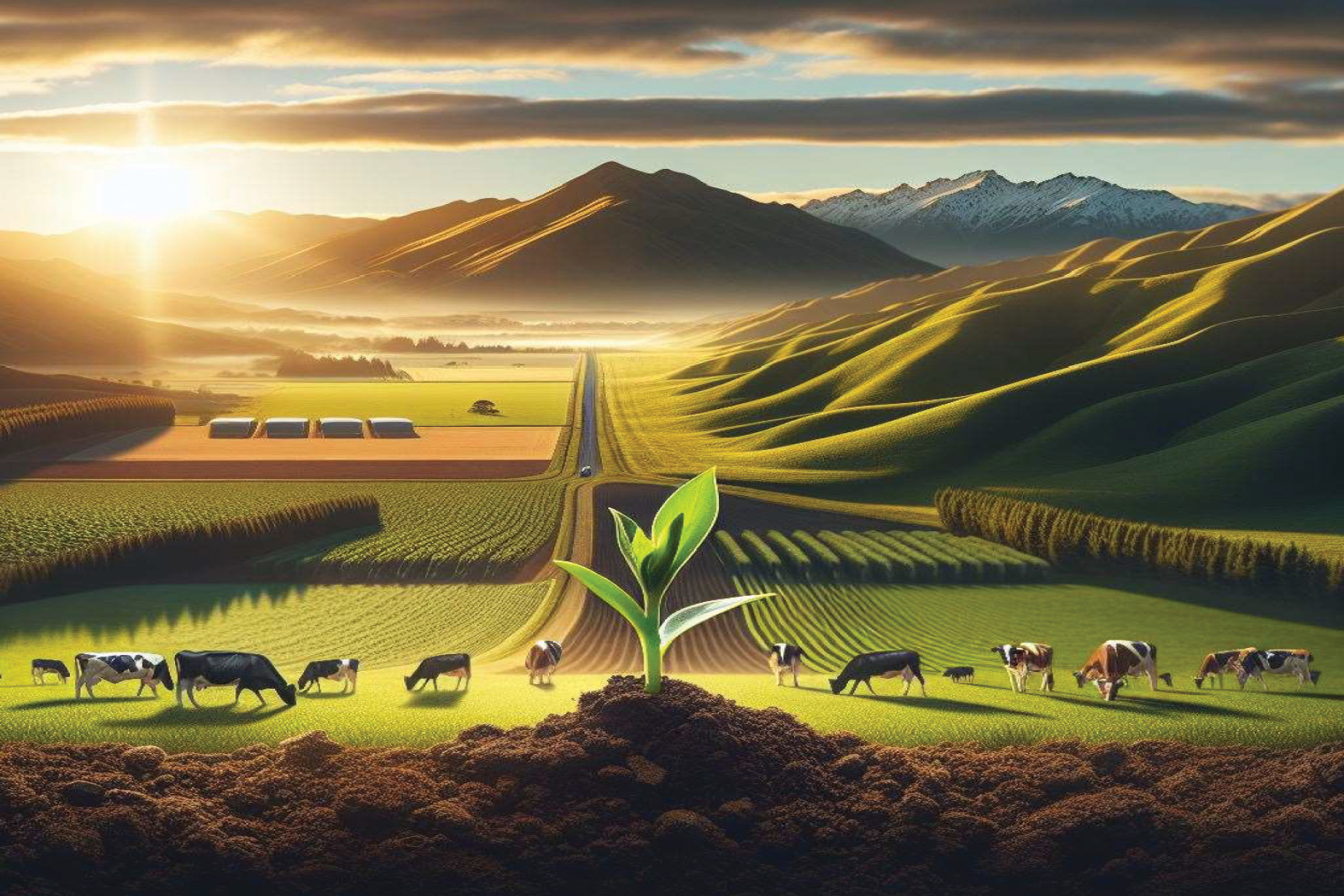
2025 From Seed to Success: Transitioning Farm Ownership in New Zealand and The Ownership Equation: Exiting with Value. Entering with Vision.
This report explores NZ’s changing farm ownership landscape, noting declining traditional pathways, rising land costs, and limited capital access. Models like equity partnerships show promise. ...
 2025
2025 Evaluating the Potential of Increased Carbon Stocks and Biodiversity Outcomes to Fund Native Vegetation Management on NZ Properties
Cameron’s report examines whether monetised benefits from increased carbon sequestration or positive biodiversity outcomes could offset the costs of pest management and protection of native ...
 2025
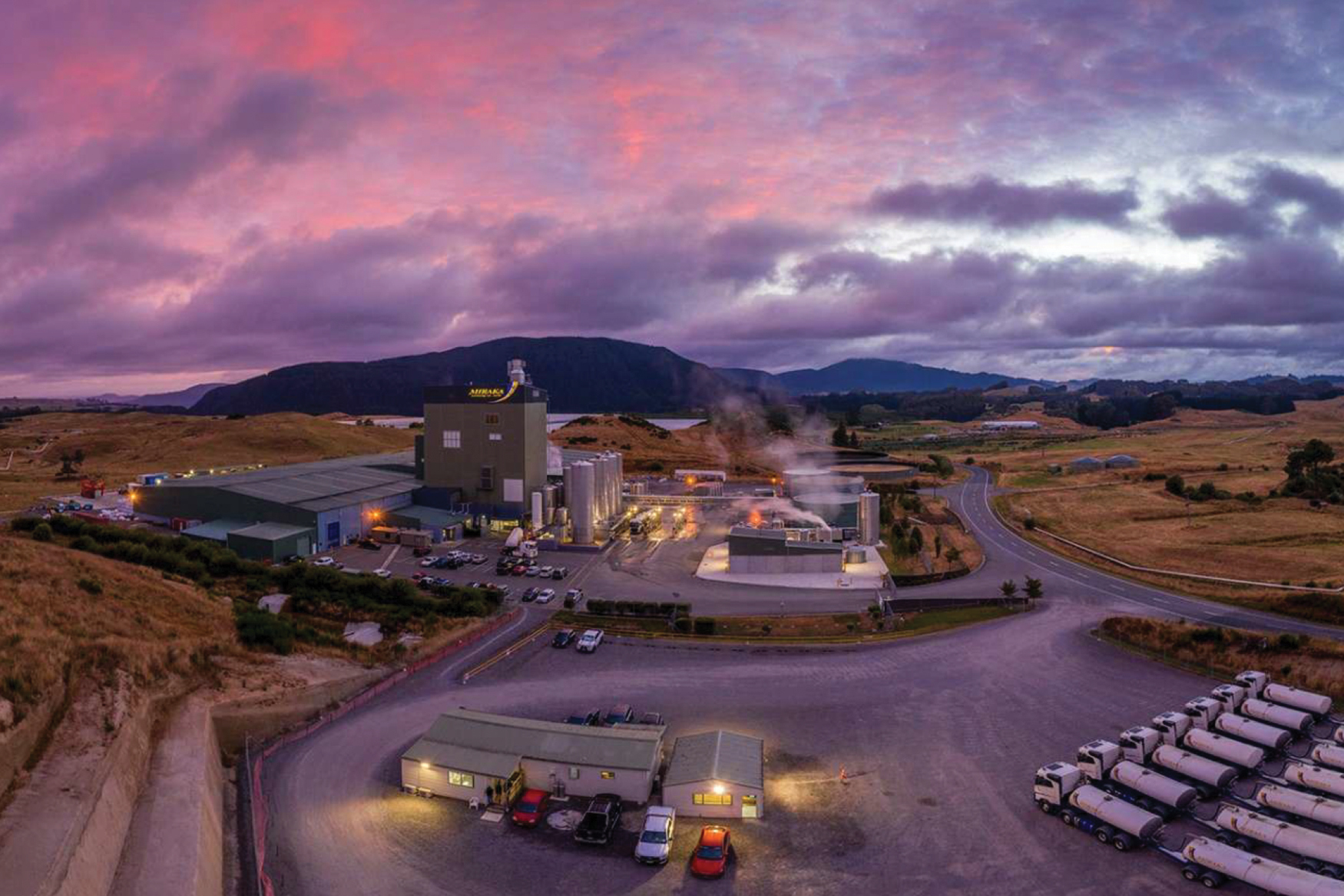
2025 Building Diversity in New Zealand Dairy Export Markets for Independent Manufacturers
Malinda’s report examines how NZ’s independent dairy manufacturers can future-proof for financial sustainability amid a decreasing milk pool and global market shifts. It finds that ...