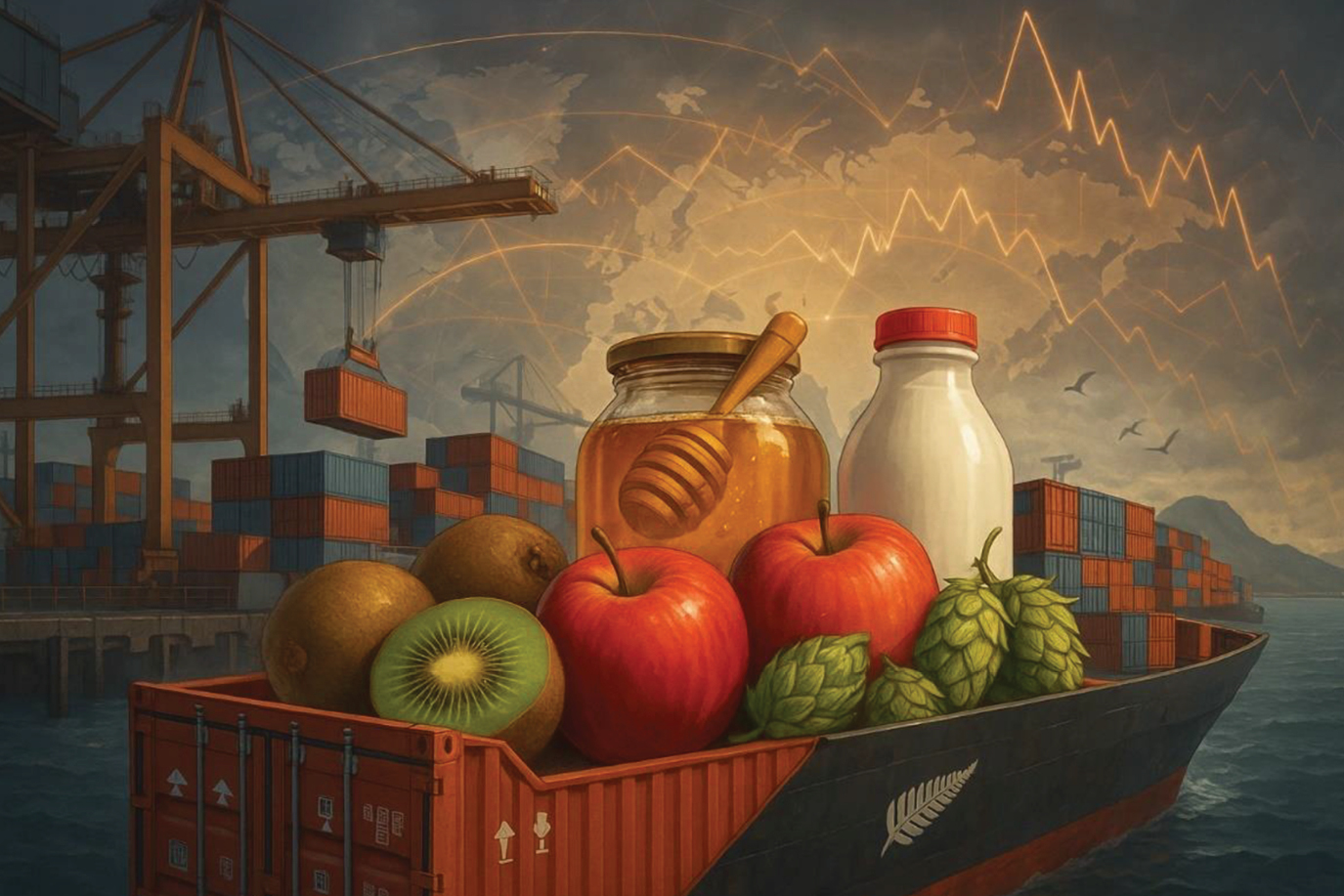

New Zealand’s primary sector is heavily dependent on export markets, driven in part by international confidence in how food is produced. Approximately 82.9% of food and fibre production is exported, generating $62 billion in revenue. Dairy, red meat, and horticulture account for around 80% of earnings. New Zealand’s competitive position is not based on scale, but on credibility, consistency, and integrity, supported through regulation and industry-led assurance programmes.
These programmes provide verified evidence of on-farm practice, traceability, and market claims. While they differ by sector, they collectively support market access, customer confidence, and premium positioning.
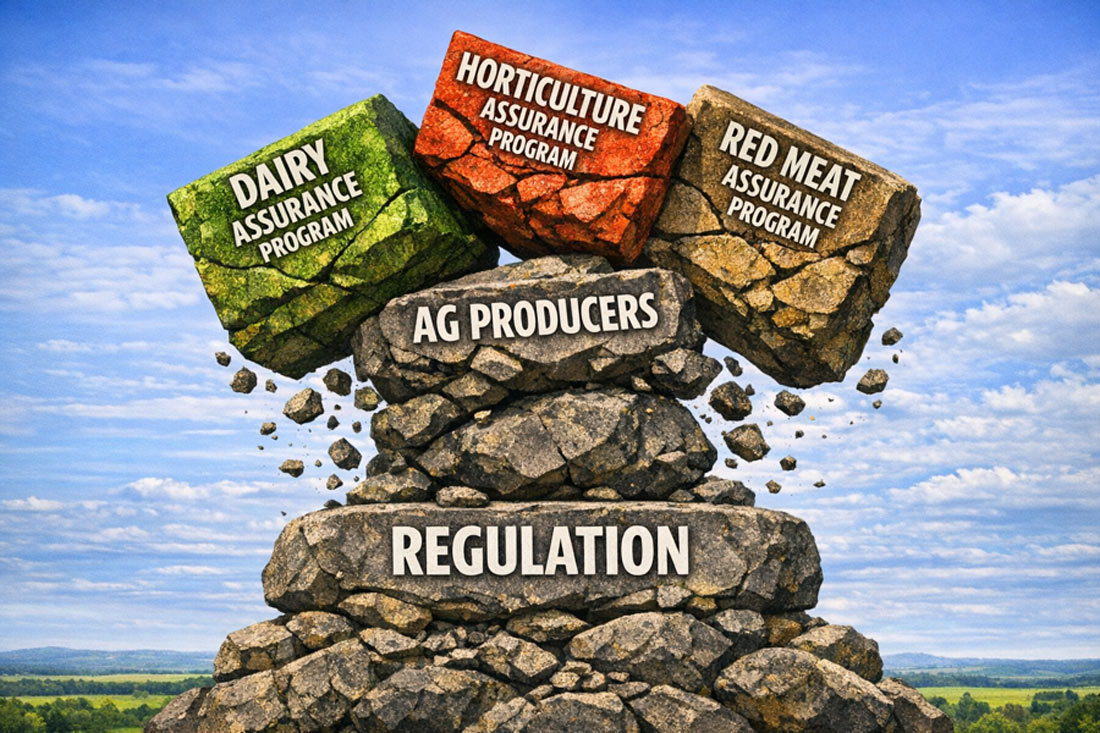
This research finds that while assurance systems remain structurally sound and valued, pressure is emerging at farm level as programmes overlap and requirements increase. Evidence from literature, farmer surveys, and industry interviews highlight the risk of duplication, audit frequency, and administrative burden, particularly in multiple frameworks across overlapping farming systems.
Survey results from 53 farmers show that 63% report increasing compliance pressure, with duplication the single biggest contributor. More than half (55%) report assurance is often experienced as a tick-box exercise rather than something that drives improvement. Looking ahead, only 17% indicated they would remain fully engaged if requirements continue to increase, while others would reduce effort or withdraw from voluntary programmes.
While the sample size is limited, alongside literature and interviews this represents an early warning signal of emerging system pressure.
This shift matters because assurance systems rely on more than audits and rules. They depend on accurate records, genuine engagement, and confidence in system value. As requirements become repetitive or poorly understood, records may persist but become less reflective of on-farm reality, weakening the evidence base underpinning market claims.
Industry and trade interviews confirm that when credibility is questioned, market response is not gradual. Trading partners and customers do not differentiate between sectors or programmes; scrutiny is applied at a country level. As a result, response is rapid, structured, and difficult to reverse. Rebuilding trust once it is tested is not only challenging but near impossible.
While assurance erosion may develop slowly through farm-level disengagement, the underlying risk is a weakening of the evidence base supporting New Zealand’s market position. The regulatory system may continue to support market access, but assurance programmes remain critical in sustaining integrity-based claims and enabling differentiation beyond the commodity export base.
To manage this risk, industry leadership should reaffirm assurance expectations and assess cross-sector assurance load to identify overlap and duplication driving disengagement. Equivalency and data-sharing should reduce repeated audits where possible, recognising some duplication is unavoidable. Early warning indicators are needed to identify when assurance becomes transactional rather than meaningful, enabling timely intervention before market confidence is affected.
The assurance system is not failing. However, its credibility depends on continued engagement, clarity of purpose, and alignment across sectors. The risk is not losing assurance outright but reaching for it when New Zealand’s integrity is tested and finding the evidence no longer carries the weight it once did.
Erika Bergmans