
Ageing is a process of adaptability. Elderly people view ‘old age’ as a negative state, characterised by sickness and disability along with loss of control of their environment. They do not see themselves as old and are astonished when others refer to them in this way. Their rejection of the label ‘old’ was taken to imply a determination to retain an active role. ‘We are only as old as we feel’ is a common cry. Retirement gives freedom to engage in the activities which they enjoy. They do not feel guilty or useless but appear to accept age as a justification for pleasure. Even the frail and disabled Elderly, so long ,as independent do not need to give up claims to the enjoyment of life. Independence is highly cherished. Society places emphasis on the development of independence and individuality as qualities of early life and having attained them and used them throughout maturity, one is loathe to part with them in old age. Why then, are the Elderly at risk in loosing both independence and individuality? There are two reasons. First, the ageing process and illness or disabilities associated with later life may lead to physical frailty and mental decline, rendering the older person less able to cope unaided with the activities of every day and social living. Secondly, the retirement from a conventionally productive and supportive role in Western Society, relegates them to a second class citizenship of reduced circumstances. Both these factors must be readily and actively combated. The maintenance of Independence and Individuality in the Elderly is essential in that dignity and self respect come from their recognition. Whilst Independence in the community is maintained, individuality is expressed. To have Independence there are 3 basic prerequisites. Health, suitable environment and a degree of social support. The promotion and provision of these 3 factors is of vital importance.

 2024
2024 Let’s eat meat!
This research examines why lean red meat is good for your immune system, brain health, and weight management, as well as some challenges and opportunities ...
 2024
2024 Kaitiakitanga as a pathway to enduring prosperity
This report aims to show how Māori land trusts in Te Moana a Toi apply Kaitiakitanga principles to achieve sustainable governance and long-term intergenerational well-being.
 2025
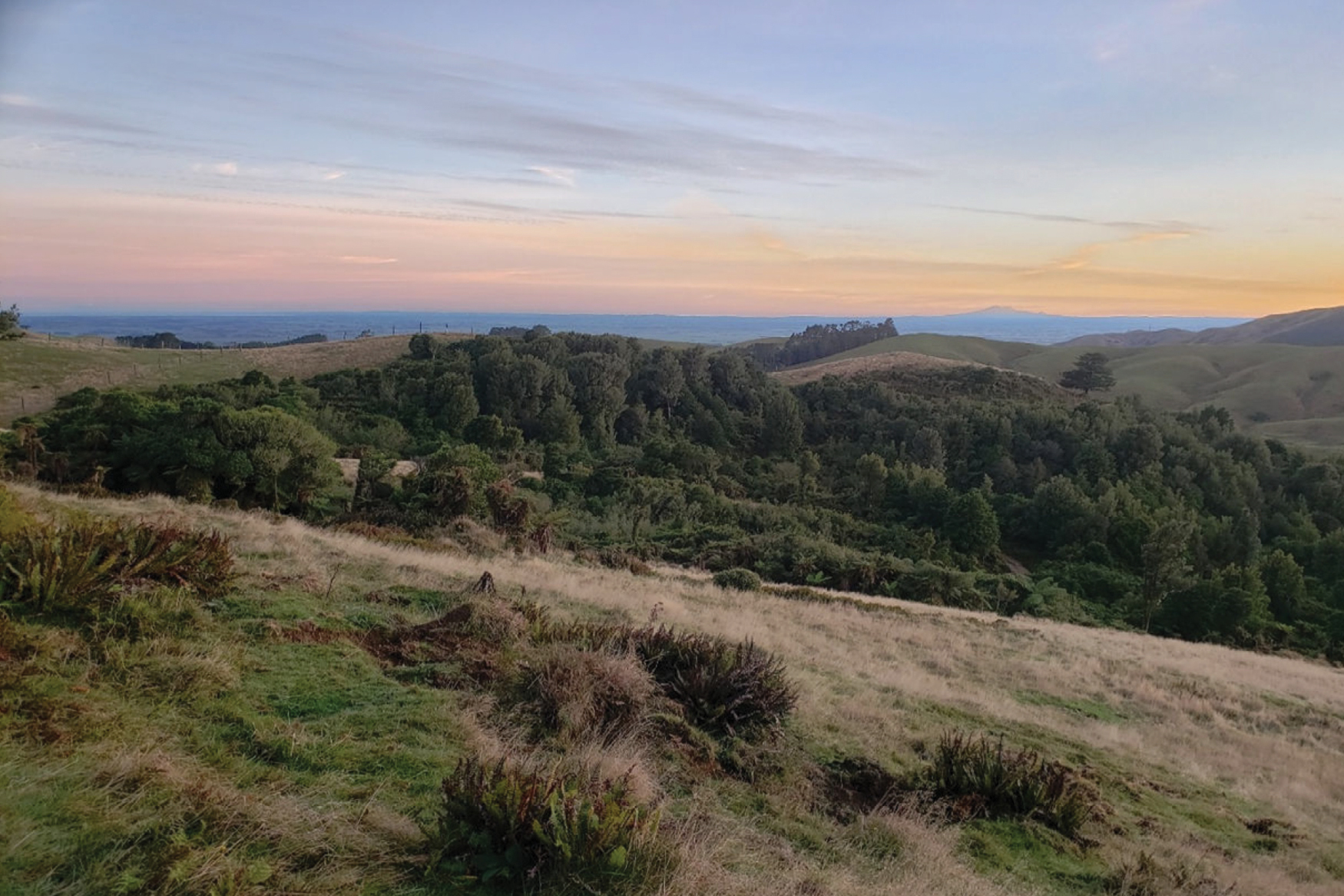
2025 Evaluating the Potential of Increased Carbon Stocks and Biodiversity Outcomes to Fund Native Vegetation Management on NZ Properties
Cameron’s report examines whether monetised benefits from increased carbon sequestration or positive biodiversity outcomes could offset the costs of pest management and protection of native ...