
Ageing is a process of adaptability. Elderly people view ‘old age’ as a negative state, characterised by sickness and disability along with loss of control of their environment. They do not see themselves as old and are astonished when others refer to them in this way. Their rejection of the label ‘old’ was taken to imply a determination to retain an active role. ‘We are only as old as we feel’ is a common cry. Retirement gives freedom to engage in the activities which they enjoy. They do not feel guilty or useless but appear to accept age as a justification for pleasure. Even the frail and disabled Elderly, so long ,as independent do not need to give up claims to the enjoyment of life. Independence is highly cherished. Society places emphasis on the development of independence and individuality as qualities of early life and having attained them and used them throughout maturity, one is loathe to part with them in old age. Why then, are the Elderly at risk in loosing both independence and individuality? There are two reasons. First, the ageing process and illness or disabilities associated with later life may lead to physical frailty and mental decline, rendering the older person less able to cope unaided with the activities of every day and social living. Secondly, the retirement from a conventionally productive and supportive role in Western Society, relegates them to a second class citizenship of reduced circumstances. Both these factors must be readily and actively combated. The maintenance of Independence and Individuality in the Elderly is essential in that dignity and self respect come from their recognition. Whilst Independence in the community is maintained, individuality is expressed. To have Independence there are 3 basic prerequisites. Health, suitable environment and a degree of social support. The promotion and provision of these 3 factors is of vital importance.

 2025
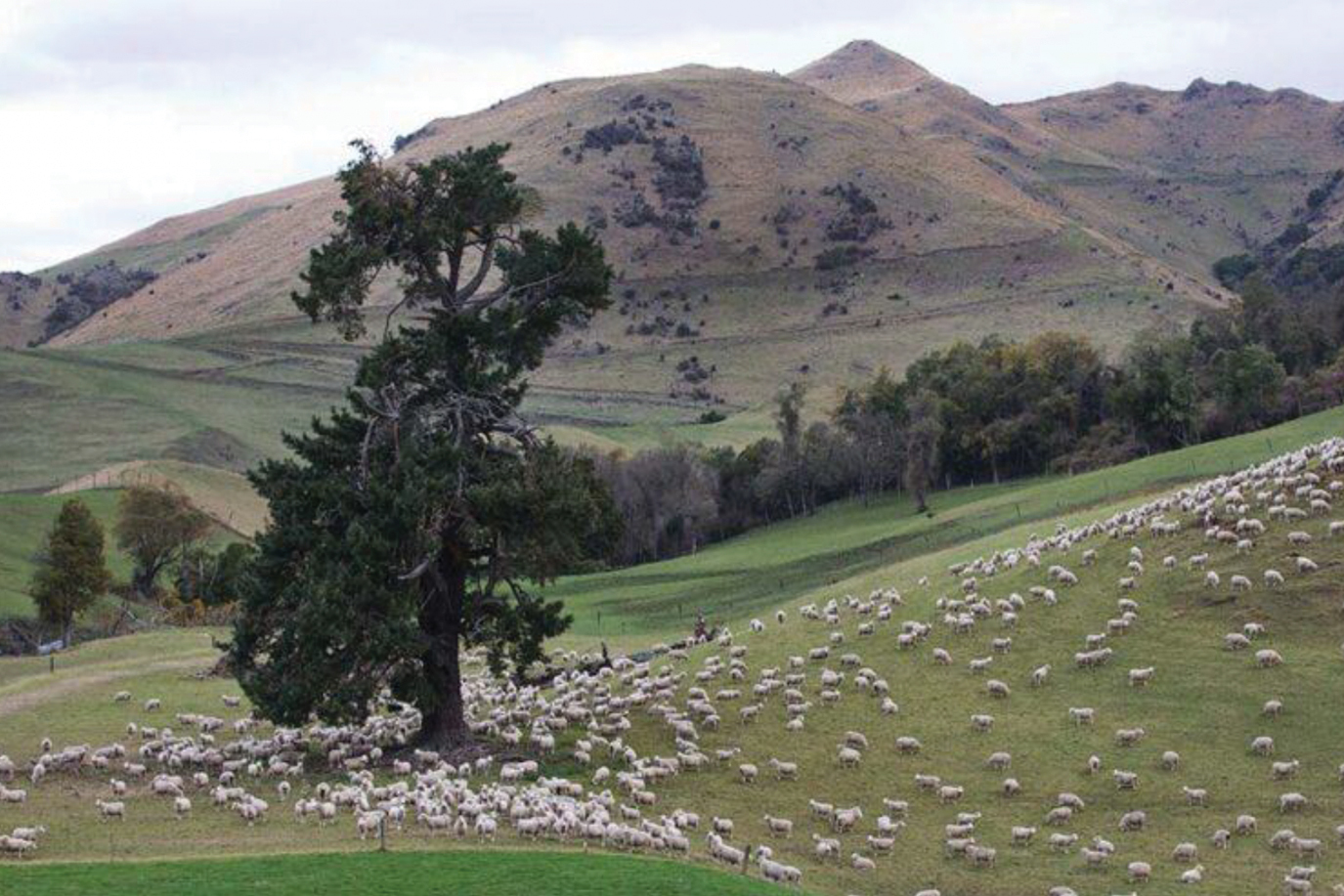
2025 What are the Key Considerations of Weighing Technology Adoption on Sheep and Beef Farms in NZ?
This report by Campbell Smith looks at the adoption of livestock weighing tech lags due to trust, usability, integration, support, cost thresholds, and peer influence ...
 2025
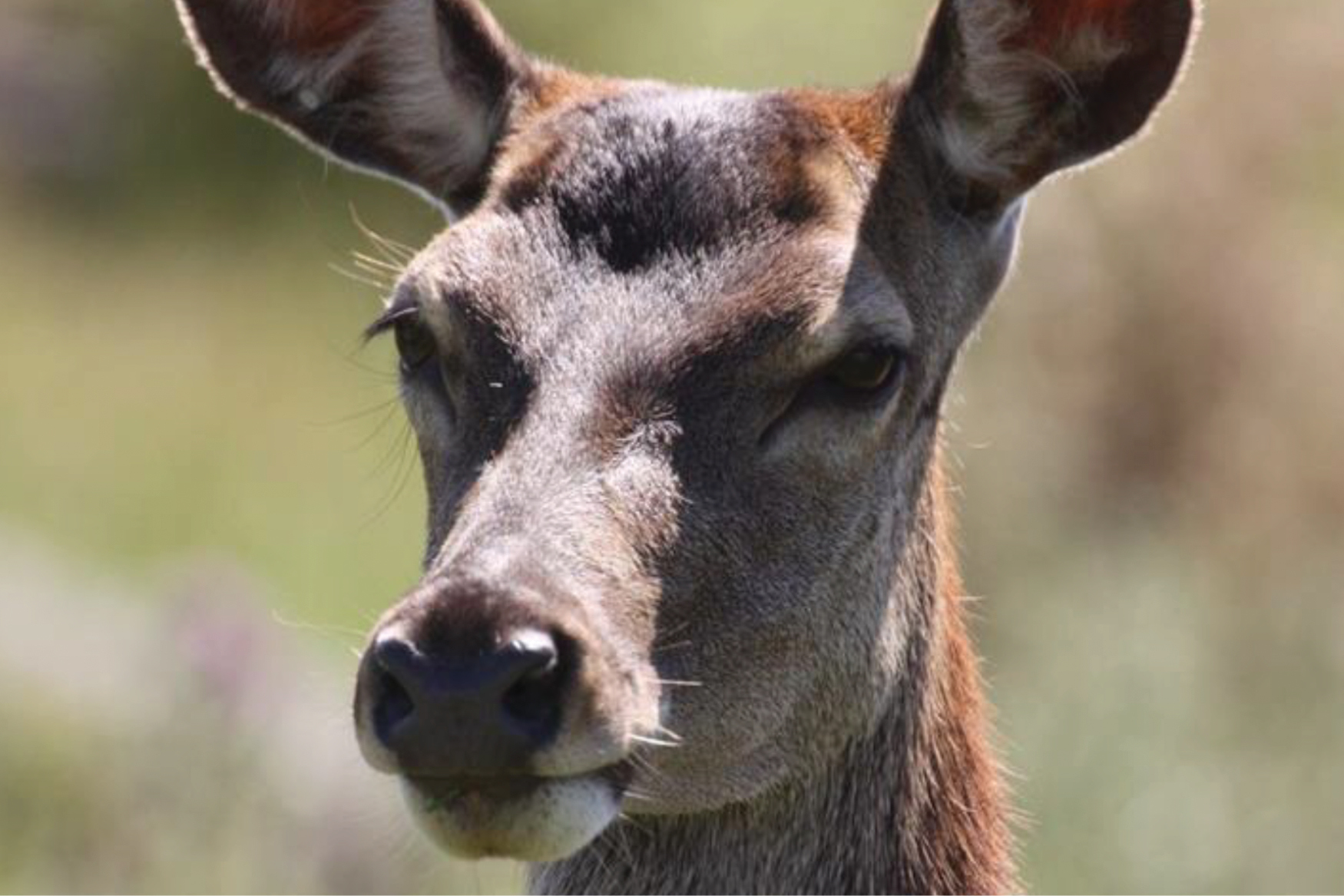
2025 Guardians or Executioners – Navigating the Ethics of Deer Control
Phil’s report examines the expanding deer population across Aotearoa New Zealand, its ecological and economic impacts, the limitations of current management, and the ethical tensions ...
 2024
2024 Growing Leaders, Growing Impact: Empowering the missing middle in Aotearoa agrifood leadership
This report explores how leadership development can be enhanced for mid-career professionals in New Zealand's agrifood sector, addressing gaps and promoting inclusivity and innovation.