
This project was undertaken with the aim of analysing the kiwifruit industry, putting it’s historical and political events into order and from there drawing a definitive conclusion as to how the industry will evolve and what part a co-operative the size of Katikati Fruitpackers Co-operative Ltd. will play in the future of the industry. From historical research it became apparent that the growers of the kiwifruit were never the people in control of the sale of the kiwifruit. Originally the sellers were independent fruit and produce exporters, all creating on-shore competition and wanting a percentage of total sales but ratcheting down export prices to gain market share in the form of volume. In an effort to counter this growers demanded the industry evolve by becoming a marketing -Authority to control the number and powers of the exporters. What became clear was that a subtle change in the personnel of the Authority lead to it becoming controlled by the packhouse operators who then became the strongest lobbying group in the industry. Control of the industry had been hijacked away from growers contrary to their own intentions. The transformation of the Authority into a single desk marketing Board, dispensing with the private exporters, was a short lived attempt to regain control until the directorship again came under the influence of the post harvest sector. Perpetuating this loss of grower control by fixing the voting system for the new supposed grower organisation, New Zealand Kiwifruit Growers Inc. the post harvest operators dominance has been further cemented in place. To determine the future for Katipak it has been necessary to define the development of the industry, the current trading and the political environment with regard to kiwifruit.


 2025
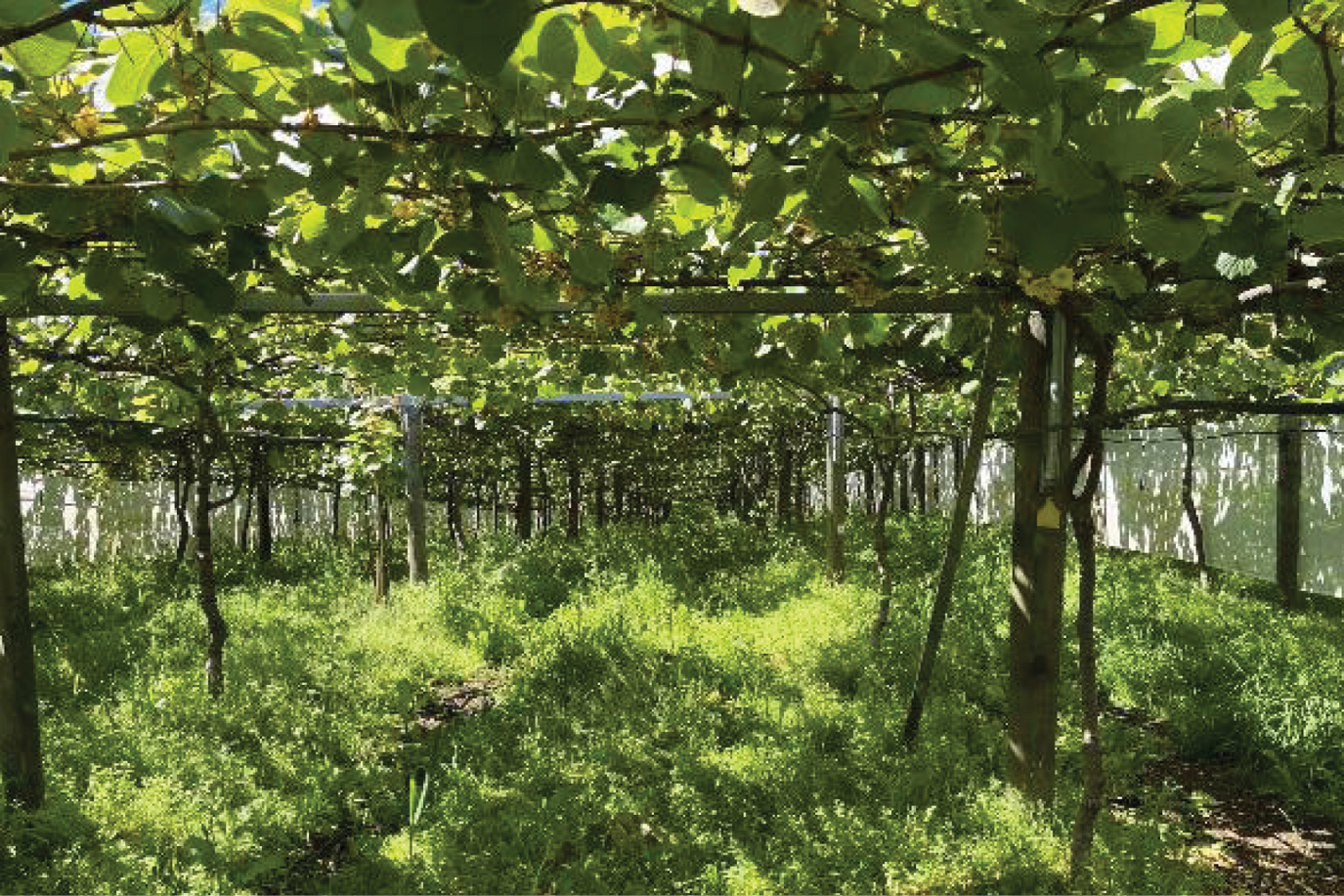
2025 Regenerative Agriculture in Kiwifruit Orchards – Barriers to the Adoption of These Practices
Regenerative agriculture is a holistic farming approach aiming to regenerate soil health and biodiversity. Pranoy Pal’s Kellogg report asserts that a lack of scientific data, ...
 2025
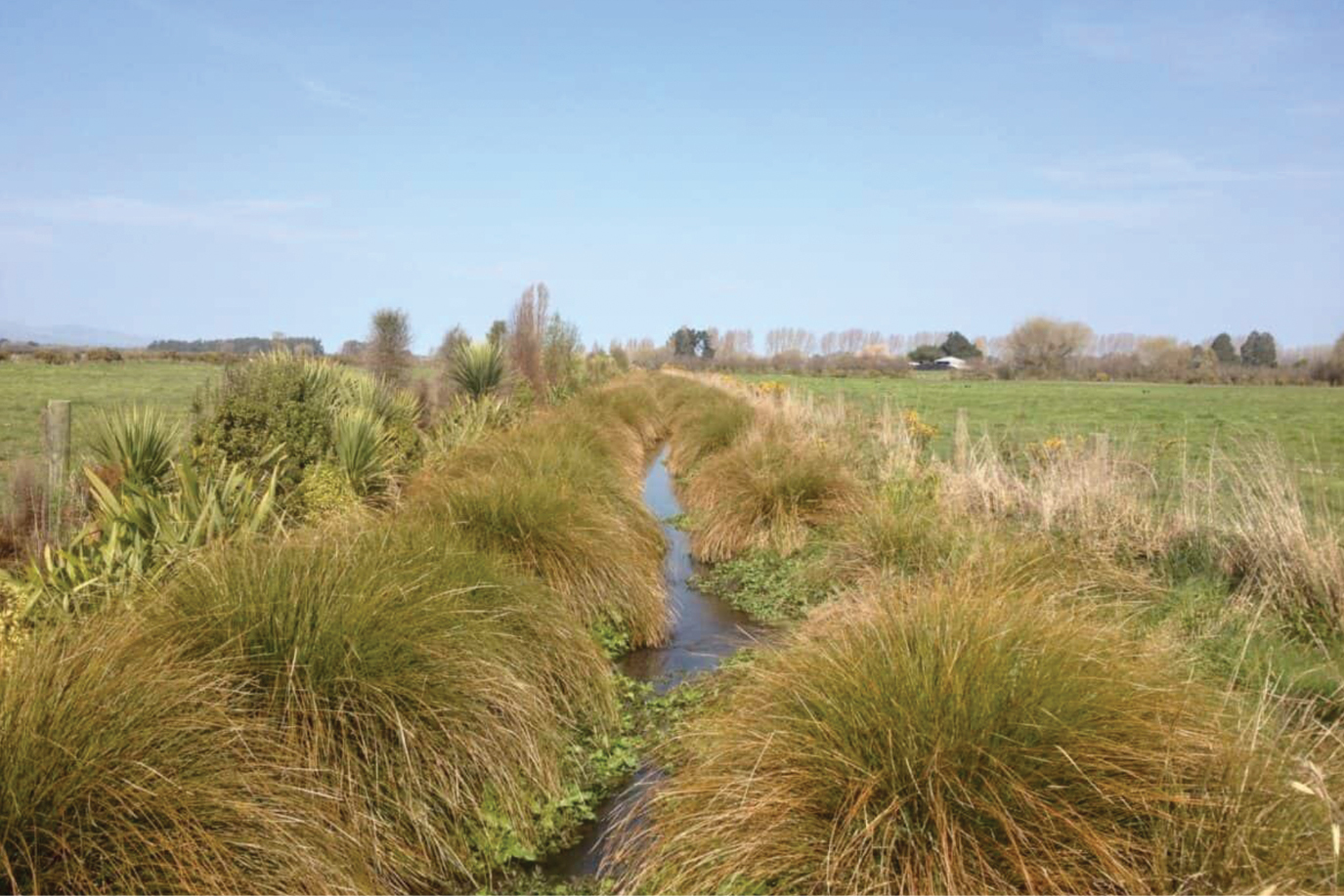
2025 Enhancing Biodiversity on Canterbury Dairy Farms to Improve Our Social License to Operate
This report by Nick Vernon, examines how biodiversity actions, community expectations, and stakeholder involvement intersect to build trust, improve environmental results, and support long-term sustainability.
 2024
2024 Climate Change in the Waikato – Land use opportunities and threats
This report investigates the impact of climate change on Waikato's agriculture, highlighting risks like increased heat stress and drought for livestock farming, while identifying opportunities ...