
The co-operative business model has been in existence since 1844. It is estimated that today, at least 50% of the world’s population is, in some way, affected by co-operative activity. Most of this activity is in the agricultural sector where groups of farmers have formed co-operatives. This provides them with some collective strength and security to ensure their produce is processed and marketed accordingly. The relationship between a co-operative and its members is formalised through a set of co-operative principles that outline what responsibilities members have to the cooperative, and vice versa. Co-operatives have certain requirements of their members, namely that members own and control the business equitably and they are the providers of capital. While the supporting objectives of a co-operative business model and an investor driven model are similar, the prime objectives are different. A co-operative’s prime objective is to deliver benefits to members, while the investor-driven business objective is, quite simply, to deliver a return on investment of capital. Fonterra’s impact on the New Zealand economy is significant. It is New Zealand’s largest company, by some margin, with turnover of $NZ12 billion, and employs 20,500 people worldwide. Fonterra’s farmers are a diverse group of people who, as individual farmers, have differing goals and objectives. They do however, have a common requirement of their co-operative; to collect, process, and market their milk. As New Zealand’s largest business, and a co-operative, Fonterra should lead an initiative that will lift the profile of ‘doing business’ using the co-operative model. The risks that Fonterra faces, as a result of commodity price fluctuations, or currency variances, are relatively small when compared to the risks that poorly informed, nonparticipative members could place on the co-operative.


 2024
2024 Dairy animal welfare in New Zealand
This report covers animal welfare in New Zealand’s dairy industry, focusing on cattle, goats, and sheep. Key issues include lameness, painful procedures, and surplus offspring.
 2025
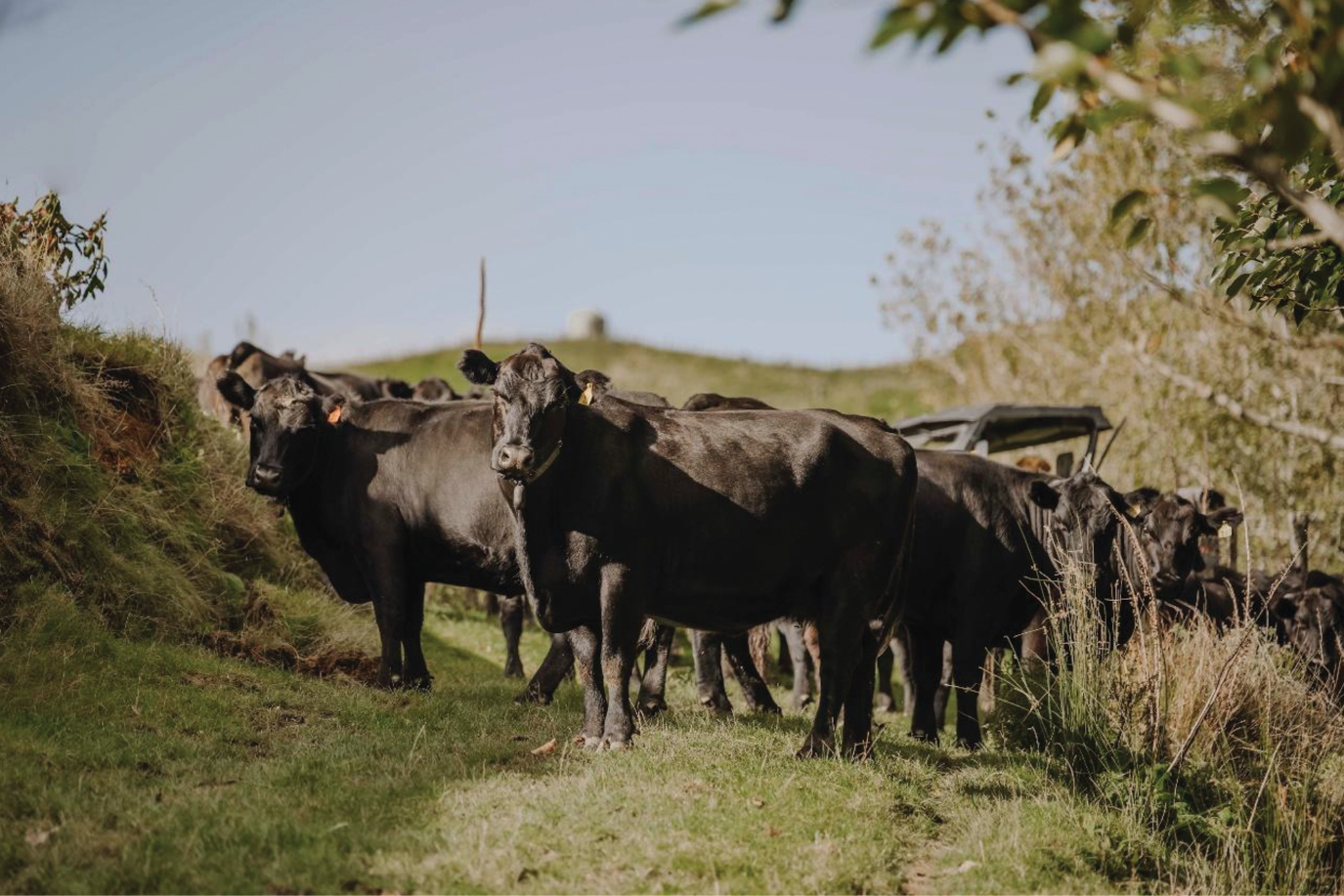
2025 Beef on the Brink of a Tech Revolution: Wearables on NZ Hill Country
This report by Natasha Cave examines virtual fencing for beef cattle, its potential to lift pasture management and environmental protection, while emphasising that success requires ...
 2025
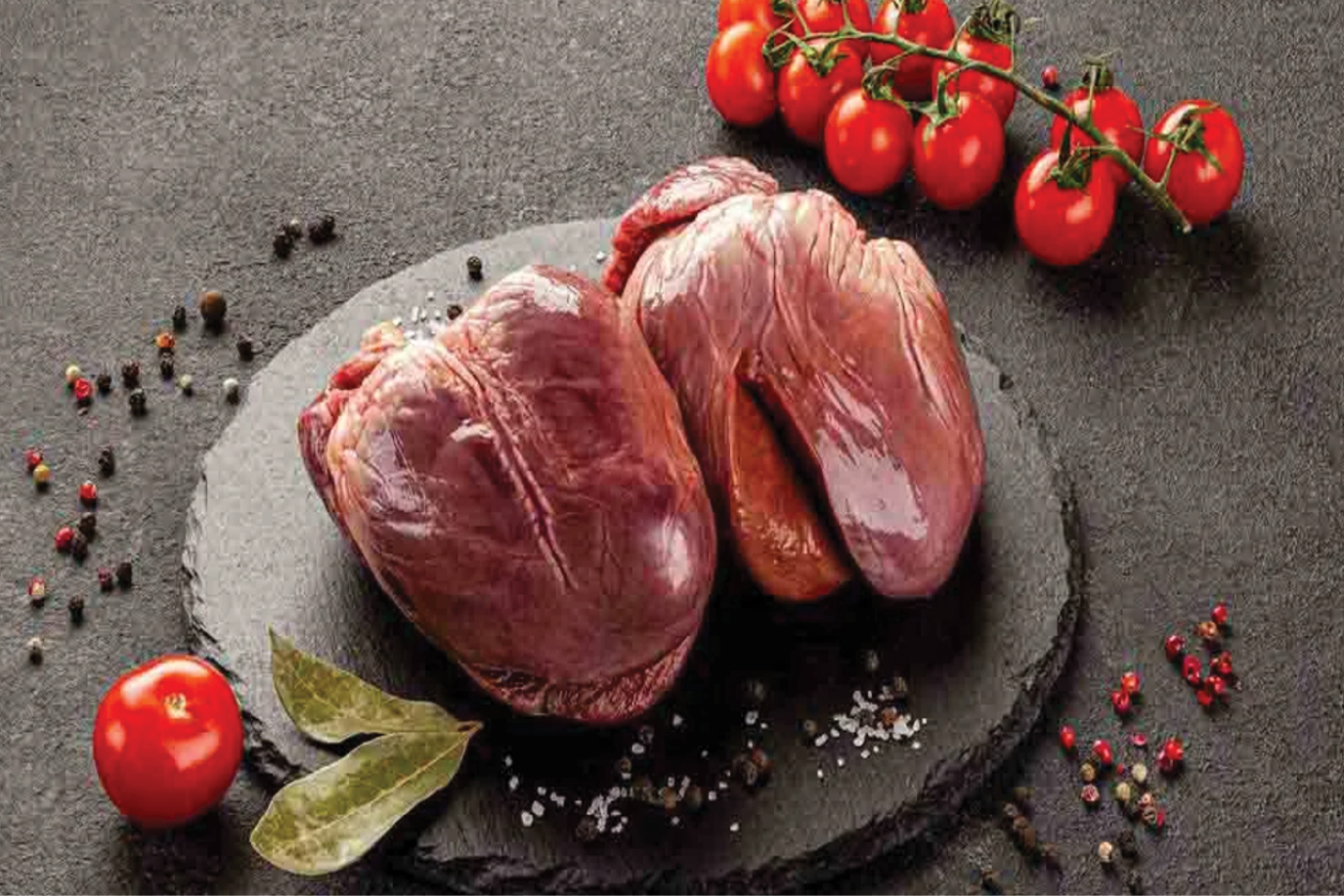
2025 The Fifth Quarter: Are Farmers Paid for This?
This report by Geoff Crawford asserts that co-products in the “Fifth Quarter” are undervalued, limiting farmers’ returns and that improved transparency, collaboration, and fair value ...