
The wholesale changes to economic life in the past six years have affected the dairy industry as much as any other sector within New Zealand. Changes to: (a) Taxation ego Taxation of co-operative profits, (b) Commercial activity as seen in no longer having tied supplies (until the July 1990 regulations!) (c) Trying to define ownership of assets without incurring additional taxation has forced the dairy industry to question many of its basic tenets it was previously so comfort able with. The evolution of the New Zealand Dairy Industry to its present form has relied on the dynamics of supply and demand expressed in statutory power thus to look beyond with specific questions one must examine these in relation to the historical facts or forces before any scenarios can be promoted. This is to confirm or deny the original base premise is correct, or to give the precedent for a present relationship. Hence, in examining present and future ownership, control and representation of the structure known as the New Zealand Dairy Board: Let us examine the historical evolution of the present structure known as the New Zealand Dairy Board.

 2025
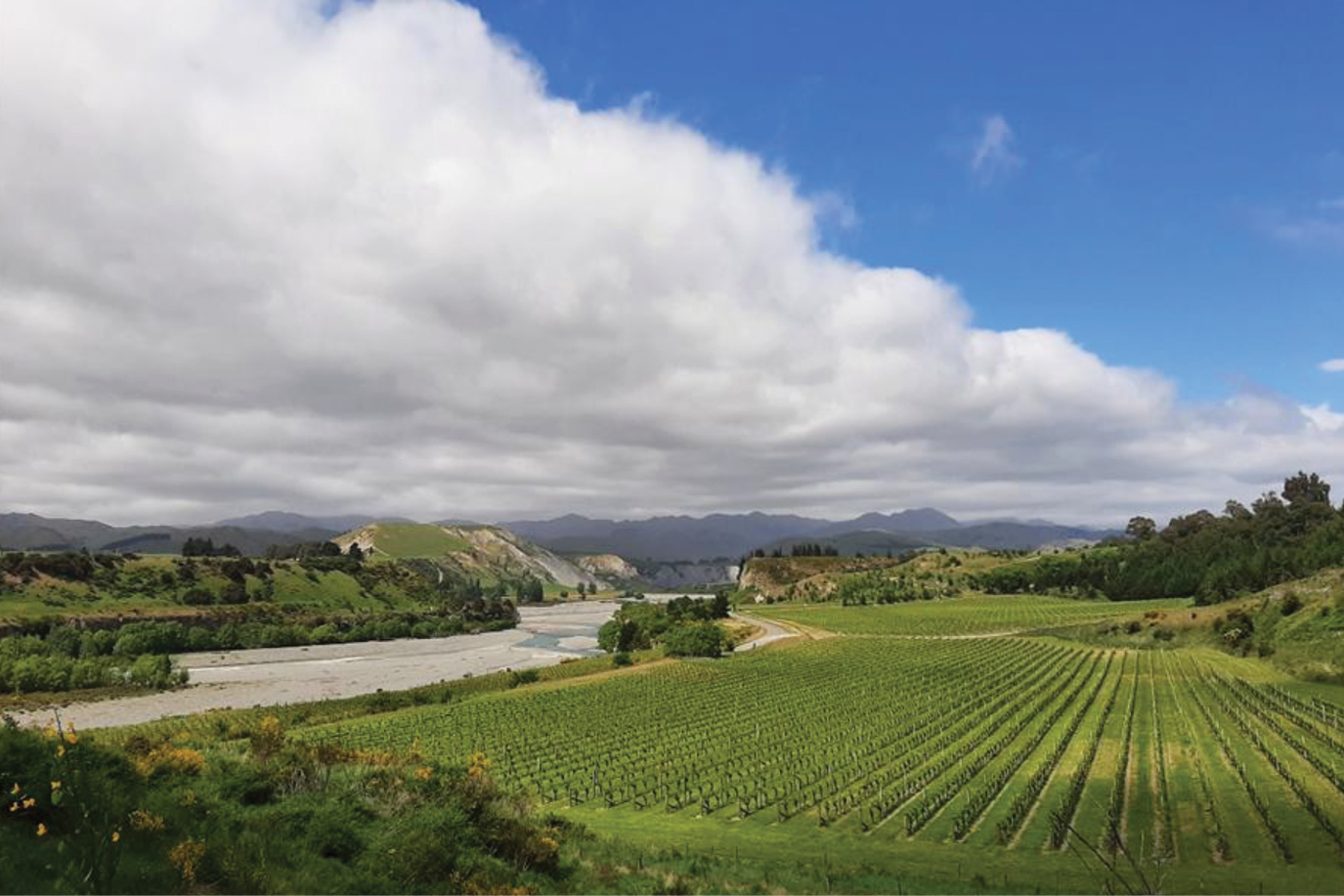
2025 Overcoming Barriers to Data Interoperability Within New Zealand’s Wine Industry
NZ wine confronts rising costs and unpredictable markets. This report by Zac Howell reveals how smarter data use, strong governance, and industry trust can unlock ...
 2025
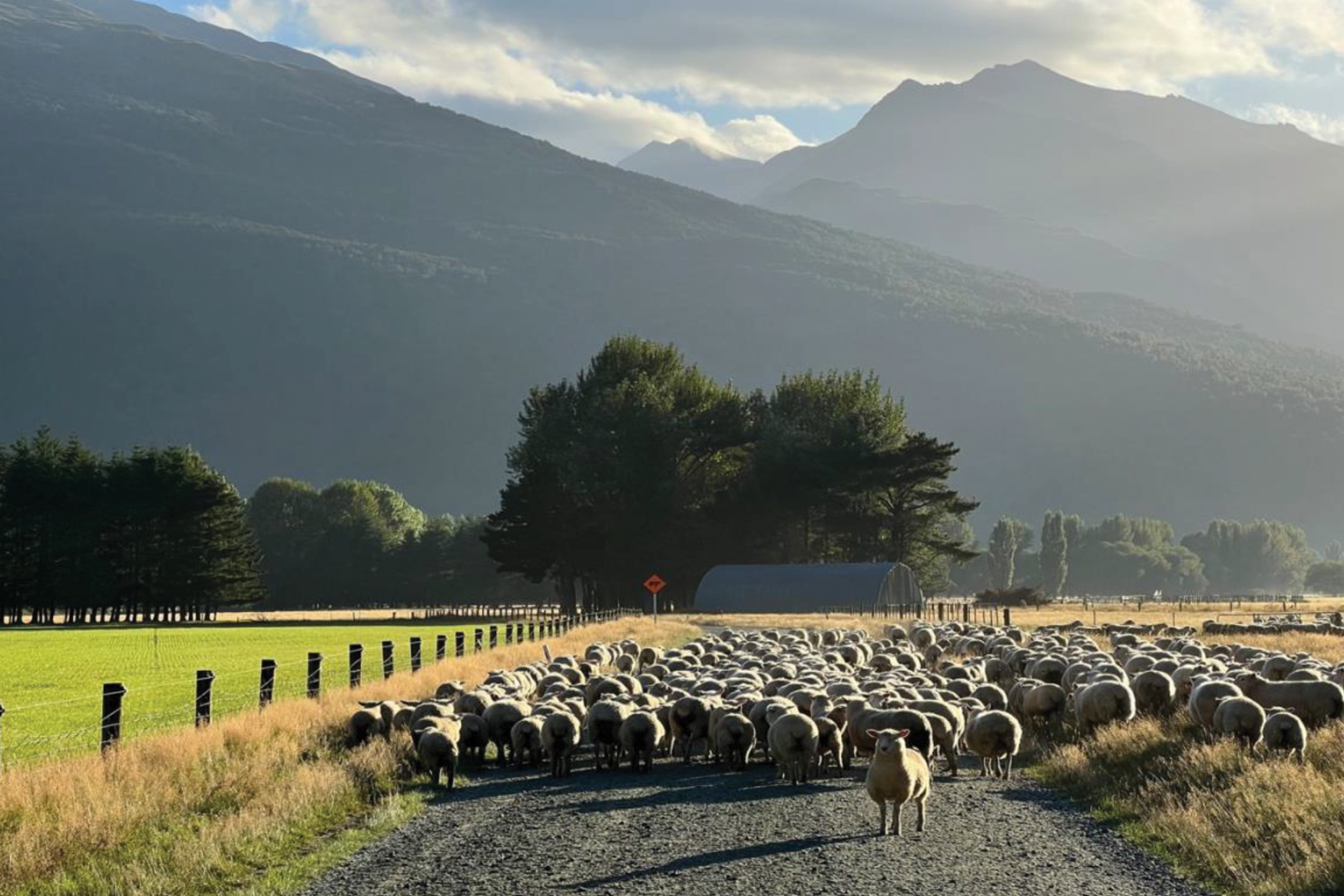
2025 How can we Maximize Production in our Decreasing Ewe Flock?
This report by Matt Ward looks at boosting ewe flock productivity amid national decline by using terminal sires, better genetics, and more innovative flock strategies ...
 2025
2025 News With Value
As trust in news erodes, NZ’s food and fibre sector still values reliable journalism. This report by Bryan Gibson explores how tailored, ethical, and accessible ...