
This report attempts to analyse the main drivers in the breeding of ryegrasses and what role is farmer concern playing in the direction of new varieties. – There seems to be many varieties of rye grass available for farmer selection, but are farmers themselves aware of what is happening and what production goals are being met. – The objectives have been to discuss with local farmers because of my knowledge of the district in which we farm, South Manawatu and North Horowhenua, so can go some way to be aware of the challenge these farmers face at times. Contact plant breeders and commercial seed companies in regard to possibilities that farmers have. – There are limitations faced by seed breeders relative to commercial marketing realities, time taken to produce new varieties and political outcomes. – The structure is background to plant breeding, current situations and future possibilities. – Commercial sensitivity is a limitation in this report. The time spent gathering information into the difference of opinion as to the way the future may look was surprising but not a limitation.


 2025
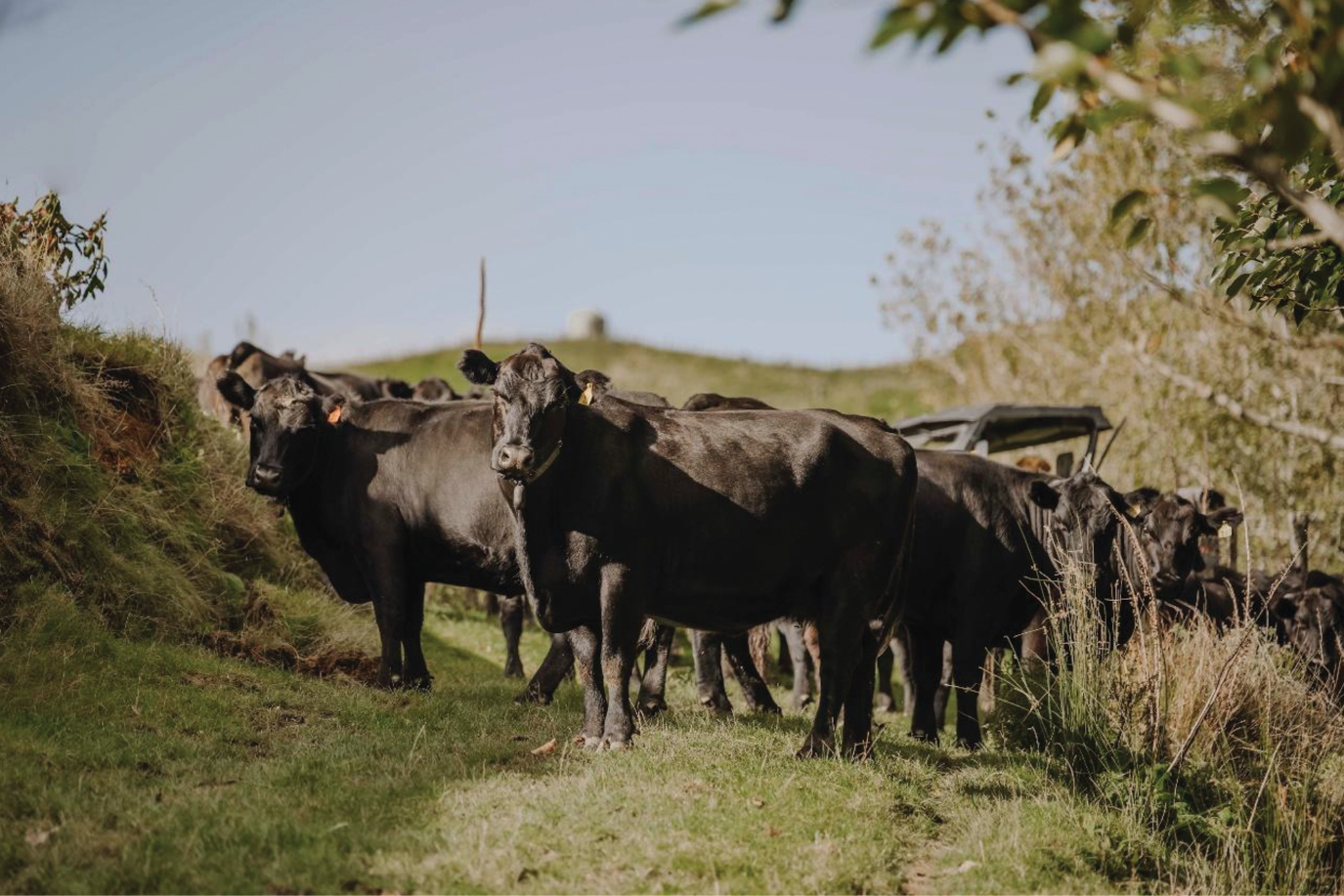
2025 Beef on the Brink of a Tech Revolution: Wearables on NZ Hill Country
This report by Natasha Cave examines virtual fencing for beef cattle, its potential to lift pasture management and environmental protection, while emphasising that success requires ...
 2025
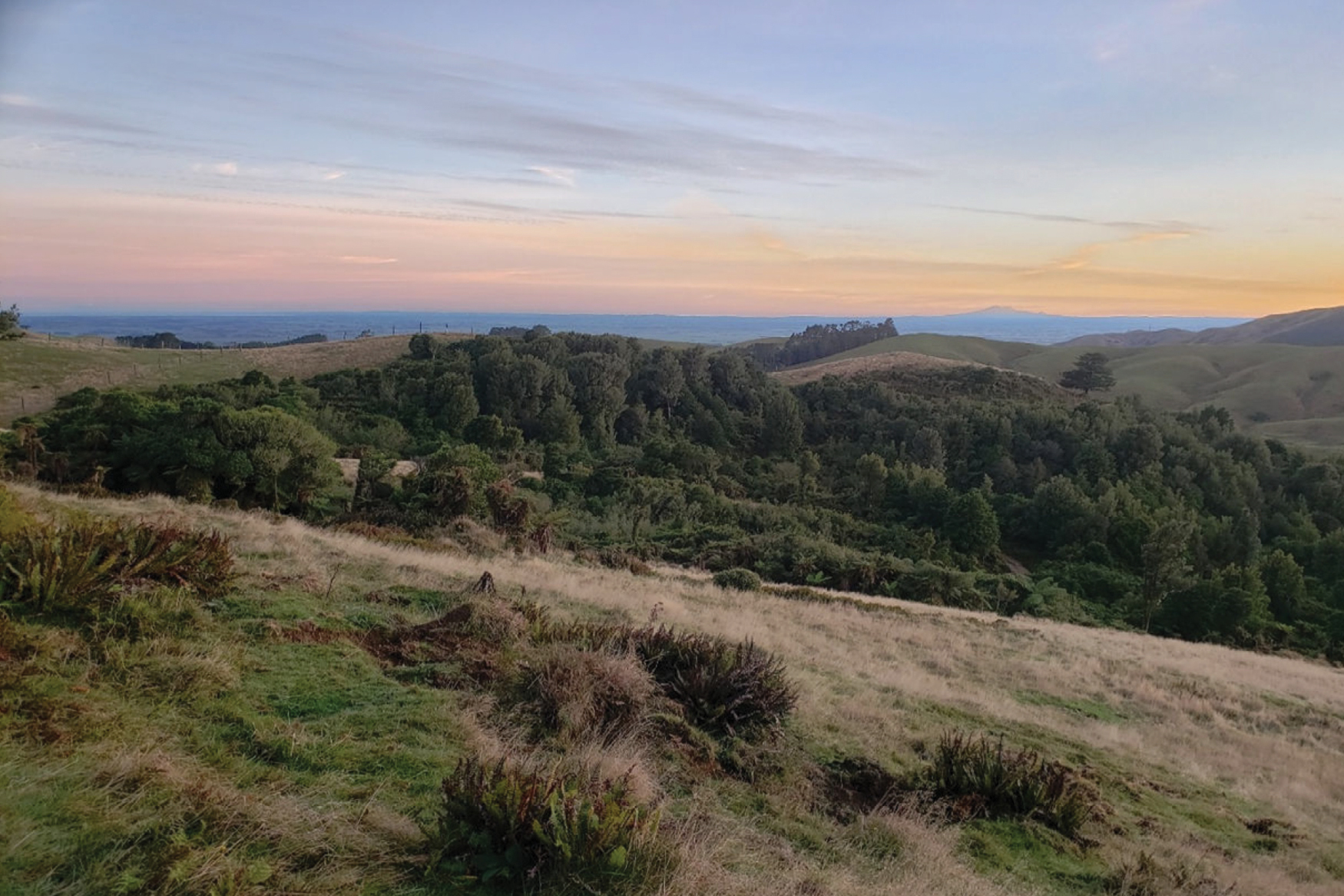
2025 Evaluating the Potential of Increased Carbon Stocks and Biodiversity Outcomes to Fund Native Vegetation Management on NZ Properties
Cameron’s report examines whether monetised benefits from increased carbon sequestration or positive biodiversity outcomes could offset the costs of pest management and protection of native ...
 2025
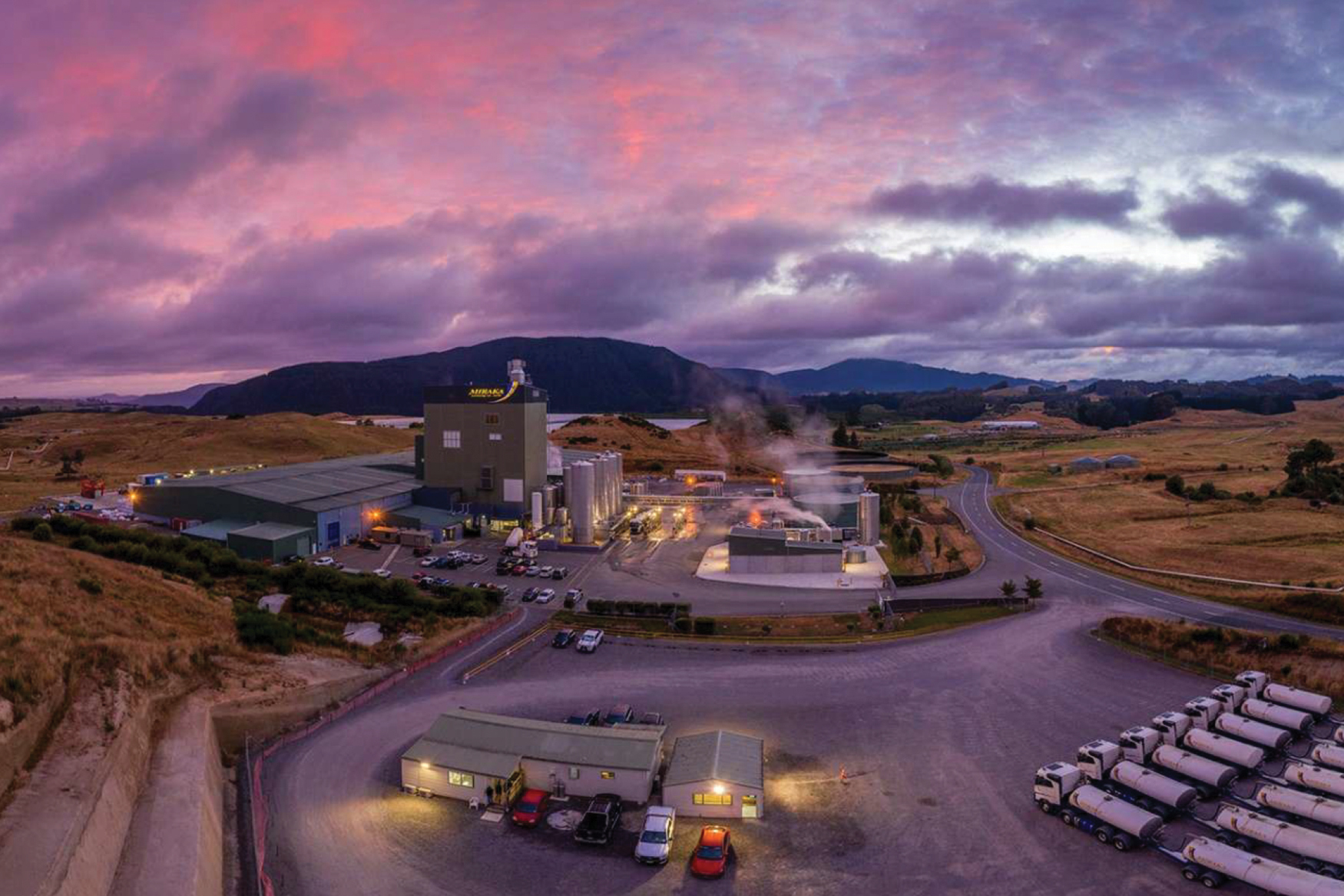
2025 Building Diversity in New Zealand Dairy Export Markets for Independent Manufacturers
Malinda’s report examines how NZ’s independent dairy manufacturers can future-proof for financial sustainability amid a decreasing milk pool and global market shifts. It finds that ...