
I believe the New Zealand dairy industry is being compromised by understaffing on farms, especially larger units of 600 cows or more. This has become a significantly greater problem in the last 10 years and specifically in the South Island with larger farm sizes and cow numbers rapidly increasing. As the dairy industry grows to maintain this growth it must attract and retain people within the industry. To do this the dairy industry must compete with other industries for people available and must become an industry of choice (acirrt 2004). NewCo Dexcel, (Tim MackIe pers.com) has highlighted that a major problem in lifting on farm productivity is the reluctance of average farmers to uptake new and already available science and technology. I believe that a major reason for this is that your average farmer has not got the time available to look at and implement these systems. This discussion paper looks at a course of action not readily taken up by the industry. That is, increasing staffing levels.


 2025
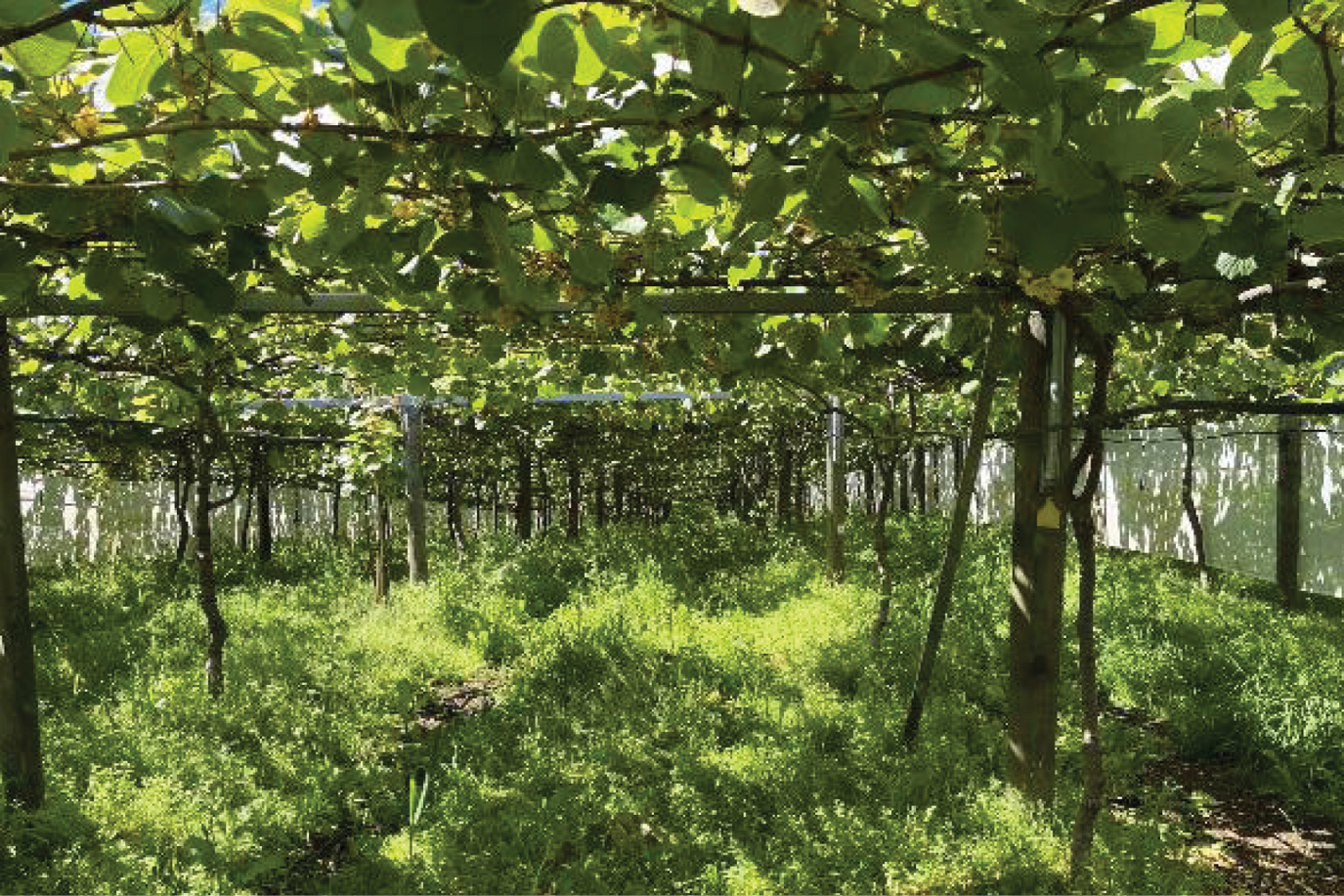
2025 Regenerative Agriculture in Kiwifruit Orchards – Barriers to the Adoption of These Practices
Regenerative agriculture is a holistic farming approach aiming to regenerate soil health and biodiversity. Pranoy Pal’s Kellogg report asserts that a lack of scientific data, ...
 2024
2024 Understanding GMOs and NBTs: A New Zealand perspective
This report explores the evolving landscape of gene technology in NZ, focusing on the implications of genetic modification (GM) and the New Breeding Techniques (NBTs) ...
 2025
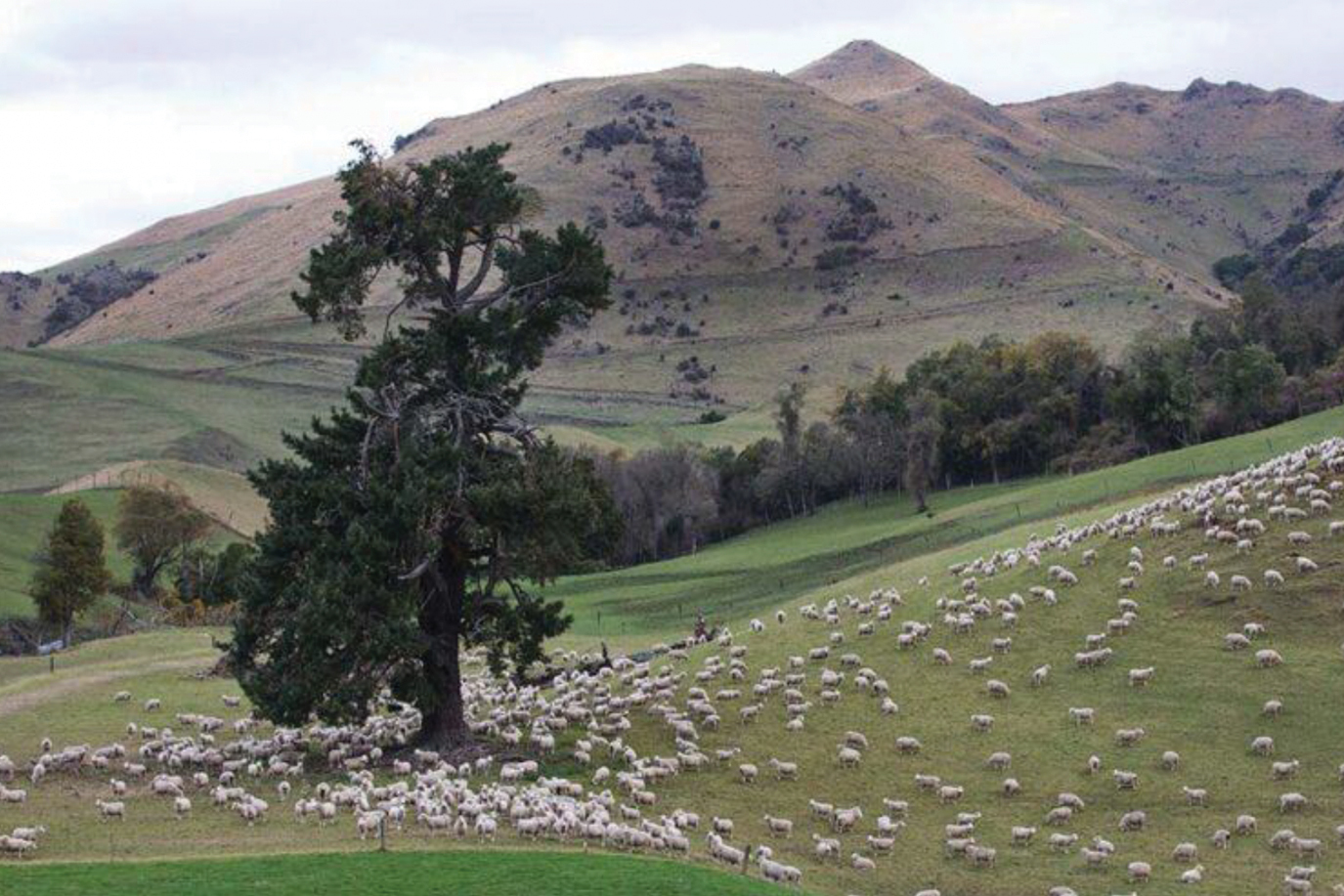
2025 What are the Key Considerations of Weighing Technology Adoption on Sheep and Beef Farms in NZ?
This report by Campbell Smith looks at the adoption of livestock weighing tech lags due to trust, usability, integration, support, cost thresholds, and peer influence ...