
The project was to establish whether cherries are a viable diversification on a sheep, beef and deer farm in the Teviot valley, Roxburgh, Central Otago. This report analyses the cost structures and returns from traditional cherry growing methods compared with methods for the newer dwarf or “Bonsai” types. The report was also produced to assist others who may be thinking of establishing a cherry orchard and require a reference or starting point to their investigations, giving them an overview of the present status of the industry. While researching this report it seemed obvious that growing dwarf cherries would seem to be a very viable alternative to the traditional cherry orchard given the possibilities of intensification with smaller trees and ease of management these trees allow. This is wholly dependant of course on good risk management of the orchard, high marketable yields and sound future financial returns. Cherries, as with most horticulture, are certainly not without some risk. A key one looming, especially in Central Otago, is the chronic labour shortage during the summerfruit harvest window. Another issue is how cherry producers, dwarf and traditional together, will deal with the increasing production of cherries that will result from the increase in recent plantings. If you are able to sleep easy with these risk factors, along with weather issues, then I would suggest that cherries could be a very good diversification option alongside traditional forms of pastoral farming. This report sets out the production parameters, cost and revenue projections, and comparisons to other summerfruit, and talks about the principles of root restriction and dwarfing cherries. This should give the reader an overview of where the cherry industry is at present and help them on their way to deciding if cherries are an option for them. This report was not intended to be the definitive guide to growing cherries but instead as a broad overview of all the different facets involved in the industry.


 2025
2025 News With Value
As trust in news erodes, NZ’s food and fibre sector still values reliable journalism. This report by Bryan Gibson explores how tailored, ethical, and accessible ...
 2024
2024 Better cattle handling: For people, product and perception
Exploring, educating, and applying low-stress livestock handling to benefit the people, product and perception of New Zealand’s beef industry.
 2025
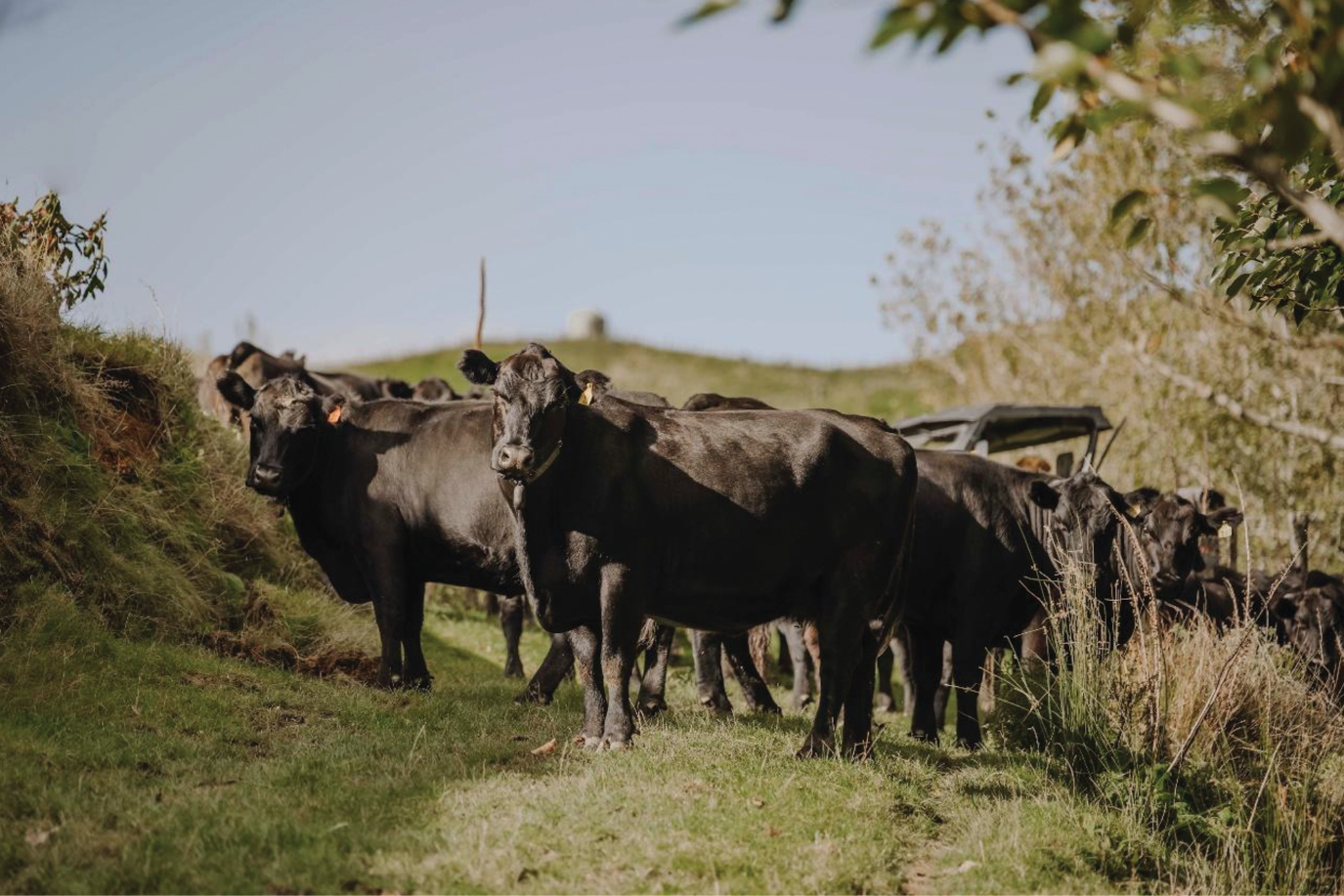
2025 Beef on the Brink of a Tech Revolution: Wearables on NZ Hill Country
This report by Natasha Cave examines virtual fencing for beef cattle, its potential to lift pasture management and environmental protection, while emphasising that success requires ...