
The Horowhenua District has a vast array of soil types, excellent road and rail access, the climate is mild and pastoral farming is declining and giving way to lifestyle blocks. Other land use activities that have increased over the last decade (1989 – 1999) are dairy farming, horticulture and forestry ventures. The Horowhenua District Council under its ‘Districts Plan’ is protecting the elite Class 1 & 2 soils (cropping and dairying) from over-subdivision. This will ensure that future generations can enjoy the Horowhenua being known as “The Garden of the lower North Island”. Farmers are subdividing because many can go through the process and sell there land in sections and make more money than selling it as a larger unit. Subdivision does however cost and the Resource Management Act means that the local authority, due to public pressures through the submission and hearing process will not grant all titles. Horowhenua’s population is forecast till year 2012 to grow by up 5%. Future access by road and rail is seen to be strength and a threat. The upgrading of the commuter train and the Transmission Gully road to and from Wellington could make the Horowhenua boom like the Kapiti Coast is currently. Other potential benefits could include part of the better soil in the district becoming organic to supply fresh ‘chemical free’ produce to the cities. There is also further potential in the coastal sand area becoming more productive with fertiliser and new pasture species. On the other hand the Transit Bypass proposals of the two main towns in the District (Levin and Foxton) in the next decade could have a severe impact on the economy?

 2024
2024 Climate Change in the Waikato – Land use opportunities and threats
This report investigates the impact of climate change on Waikato's agriculture, highlighting risks like increased heat stress and drought for livestock farming, while identifying opportunities ...
 2025
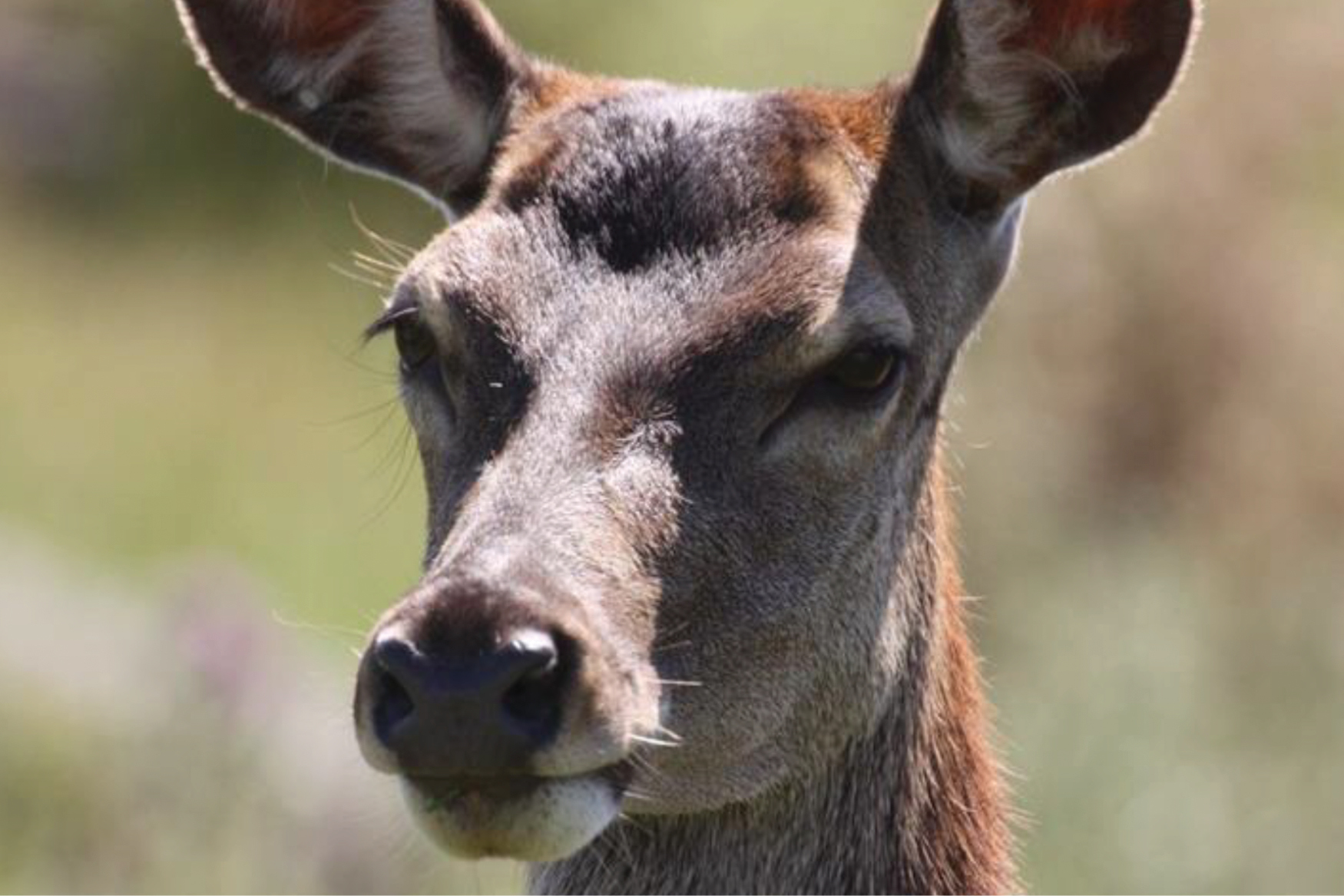
2025 Guardians or Executioners – Navigating the Ethics of Deer Control
Phil’s report examines the expanding deer population across Aotearoa New Zealand, its ecological and economic impacts, the limitations of current management, and the ethical tensions ...
 2024
2024 Can we add value to non-replacement calves?
The management of non-replacement calves, or bobby calves, is a constant challenge for the NZ Dairy industry. This report investigates potential options for reducing bobby ...