
The reason that I have chosen this period is that this area has faced the greatest challenge to its survival during this decade than at any other time in its history. Why, may you ask, start in 1979 – It was in the year previous to that year that SMP’s were announced, heralding the way for production lead subsidies which had a severe impact on land prices. To me, the reason which lead to the most basic problem of this area: High Capital Debt. These forced land values and associated debt levels became compounded by the most severe droughts the region has experi enced. As the debt levels increased several Government packages were announced, but the situation in 1989, after all the support measures have been acted on is one of complete and utter frustration at the burden of debt shouldered by many farmers and farm services in the community. As both farming and business failures became increasingly apparent, the huge social cost of the situation began to rear its presence. Relocation; Dislocation; Marriage breakups; Marriage stress; Community helplessness; Loss of jobs are all to be found in abundance. Although all were supportive of each other, the base cause did not go away – Capital Debt. To accept the hypothesis that capital debt is the major problem facing Downland North Otago we must accept that land values were: 1. Totally inflated by a false sense of security caused by production led subsidies. 2. That the values of that land had little relationship to the productive value of that parcel, especially when the subsidy value was taken out of the commodity price which that land produced. I believe that, because of this expected dependency on the subsidies, investors were lulled into a false sense of security in their investments.


 2025
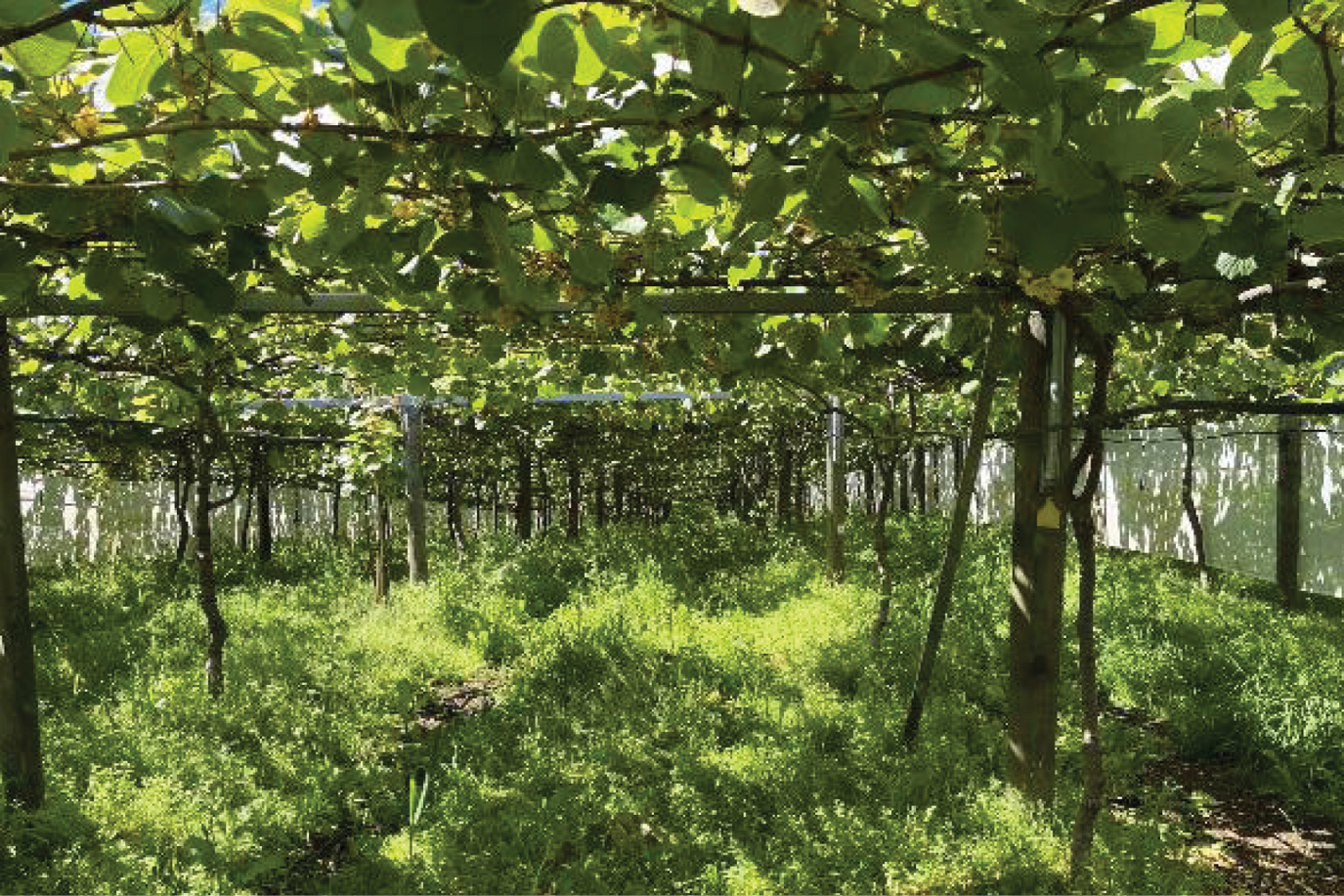
2025 Regenerative Agriculture in Kiwifruit Orchards – Barriers to the Adoption of These Practices
Regenerative agriculture is a holistic farming approach aiming to regenerate soil health and biodiversity. Pranoy Pal’s Kellogg report asserts that a lack of scientific data, ...
 2024
2024 How do young dairy farmers get ahead?
This research project seeks to understand how young dairy farmers in
Northland have got ahead and to learn from their examples and experiences.
 2024
2024 Growing Leaders, Growing Impact: Empowering the missing middle in Aotearoa agrifood leadership
This report explores how leadership development can be enhanced for mid-career professionals in New Zealand's agrifood sector, addressing gaps and promoting inclusivity and innovation.