
Intrigued by a Ministry for the Environment report on the value of New Zealand’s clean green image in dollar terms; and the economic possibilities of branding products to such a flagship, led me to research the topic further – with a commodity product – apples -as an example. As an orchardist, I am well aware that fear is one factor relating to food in a modern world. Consumers are striving to eat healthy food to increase their feel good factor. The world and its people are telling the market; “Give us what we want! ” Healthy food without contamination. Guarantee it. Can we live up to the demand? Is the image of Clean Green New Zealand sustainable? Will this make a New Zealand brand sustainable? Yes it will. If we have a definitive image, a word picture of who we are and the professional integrity to apply ourselves as a nation to that set of values in all our exports. All we need now is a brand or a mark to identify the product to the consumer. Do we need brands within the New Zealand brand? Yes. As long as the core values of the parent or country brand are mirrored and honoured by the products.


 2025
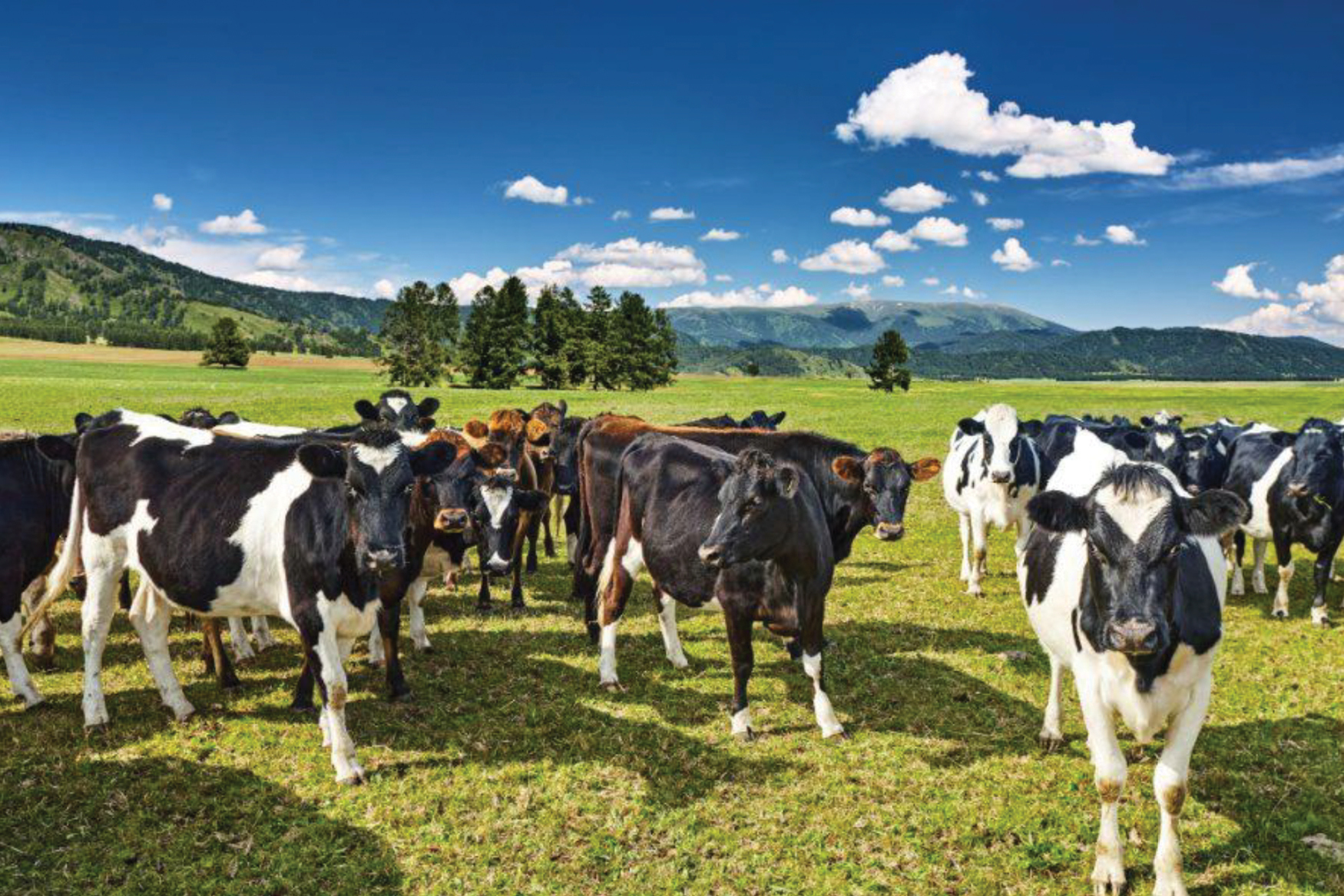
2025 Smart Nutrition, Stronger Herds: A Holistic Approach to Dairy Excellence
This report highlights the underutilised role of nutrition in New Zealand’s dairy sector. It identifies gaps in training, technology use, and knowledge integration. Key recommendations ...
 2025
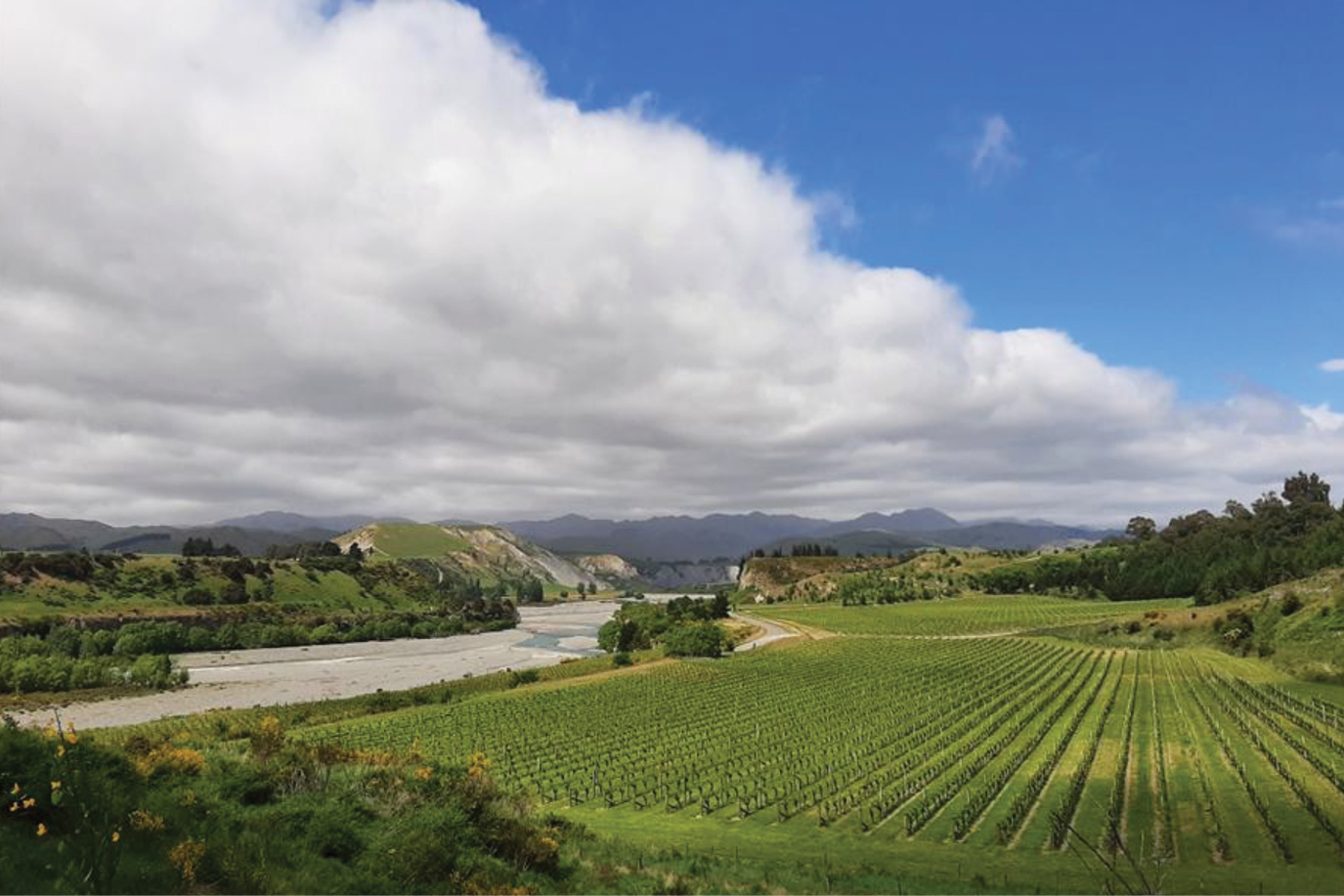
2025 Overcoming Barriers to Data Interoperability Within New Zealand’s Wine Industry
NZ wine confronts rising costs and unpredictable markets. This report by Zac Howell reveals how smarter data use, strong governance, and industry trust can unlock ...
 2024
2024 Opportunities and Challenges for the Future of Arable Farming in Canterbury
This report aims to provide insight from a grower’s perspective on the opportunities and challenges of arable farming in Canterbury for the future.