
Intrigued by a Ministry for the Environment report on the value of New Zealand’s clean green image in dollar terms; and the economic possibilities of branding products to such a flagship, led me to research the topic further – with a commodity product – apples -as an example. As an orchardist, I am well aware that fear is one factor relating to food in a modern world. Consumers are striving to eat healthy food to increase their feel good factor. The world and its people are telling the market; “Give us what we want! ” Healthy food without contamination. Guarantee it. Can we live up to the demand? Is the image of Clean Green New Zealand sustainable? Will this make a New Zealand brand sustainable? Yes it will. If we have a definitive image, a word picture of who we are and the professional integrity to apply ourselves as a nation to that set of values in all our exports. All we need now is a brand or a mark to identify the product to the consumer. Do we need brands within the New Zealand brand? Yes. As long as the core values of the parent or country brand are mirrored and honoured by the products.


 2025
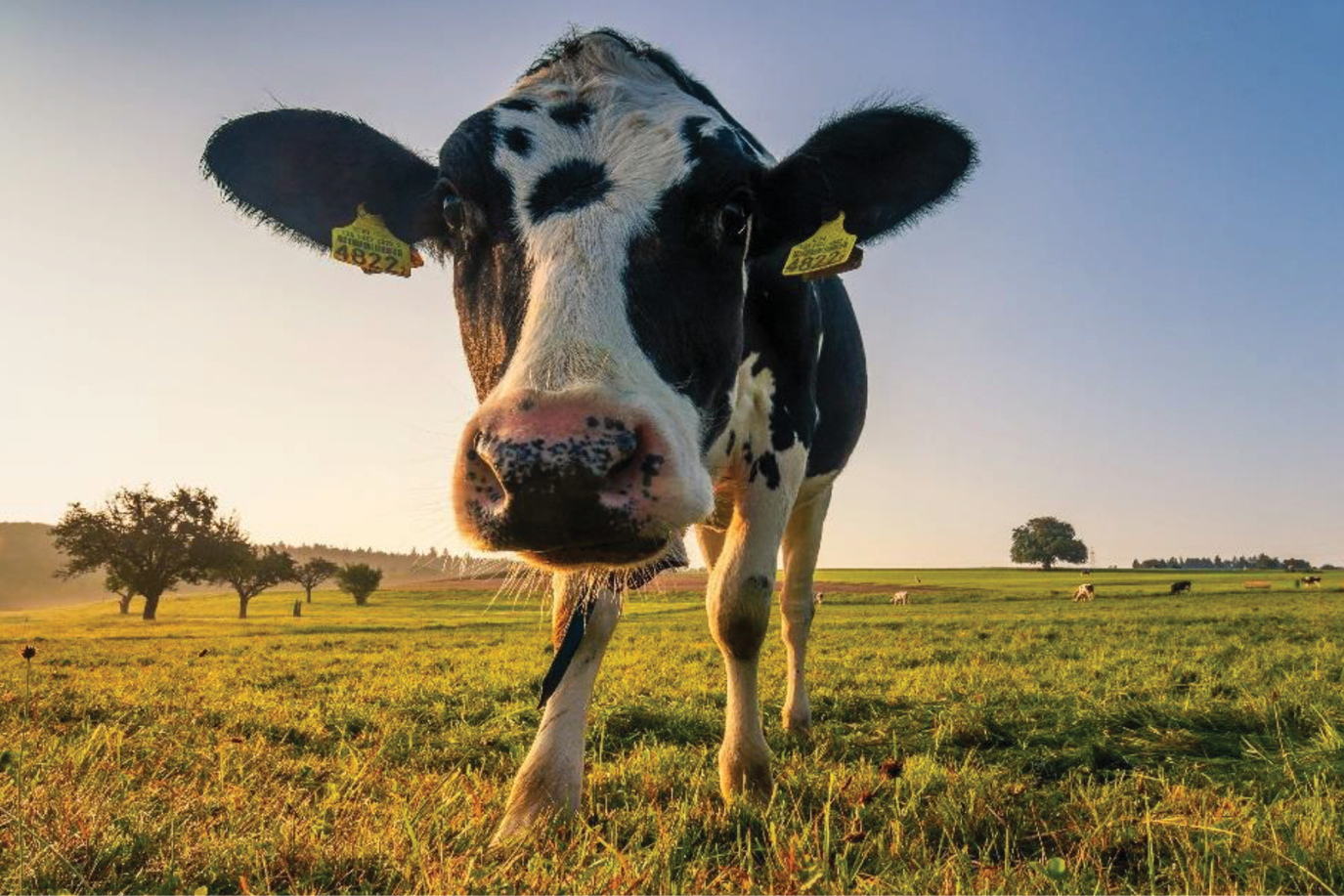
2025 Collars, Costs and Returns: Assessing the Value of Cow Wearables in NZ Pasture Systems
Wearable technologies offer real benefits in monitoring, labour efficiency, and safety on NZ dairy farms. David March’s report discovers that for high-performing operations, financial returns ...
 2024
2024 Can we add value to non-replacement calves?
The management of non-replacement calves, or bobby calves, is a constant challenge for the NZ Dairy industry. This report investigates potential options for reducing bobby ...
 2025
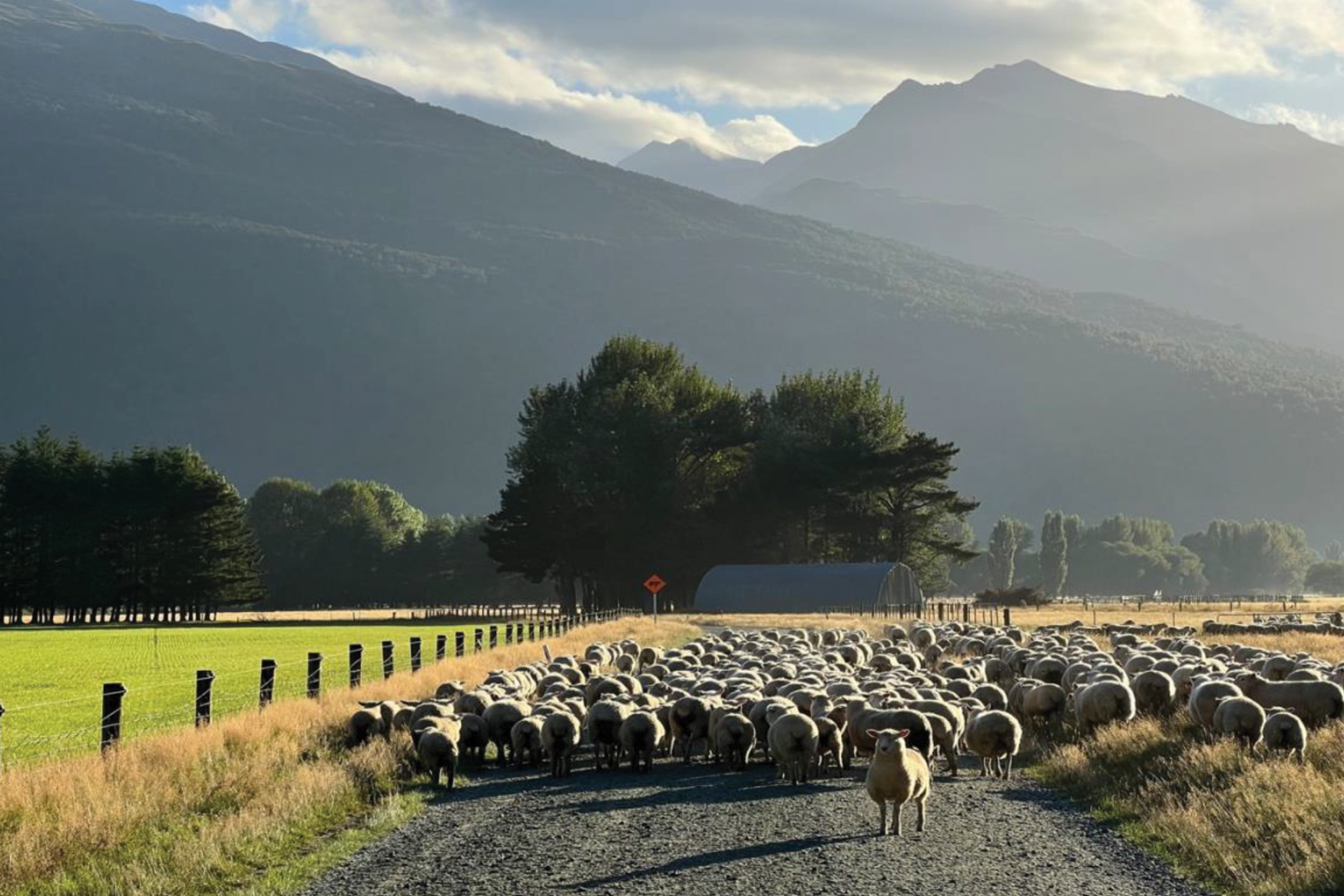
2025 How can we Maximize Production in our Decreasing Ewe Flock?
This report by Matt Ward looks at boosting ewe flock productivity amid national decline by using terminal sires, better genetics, and more innovative flock strategies ...