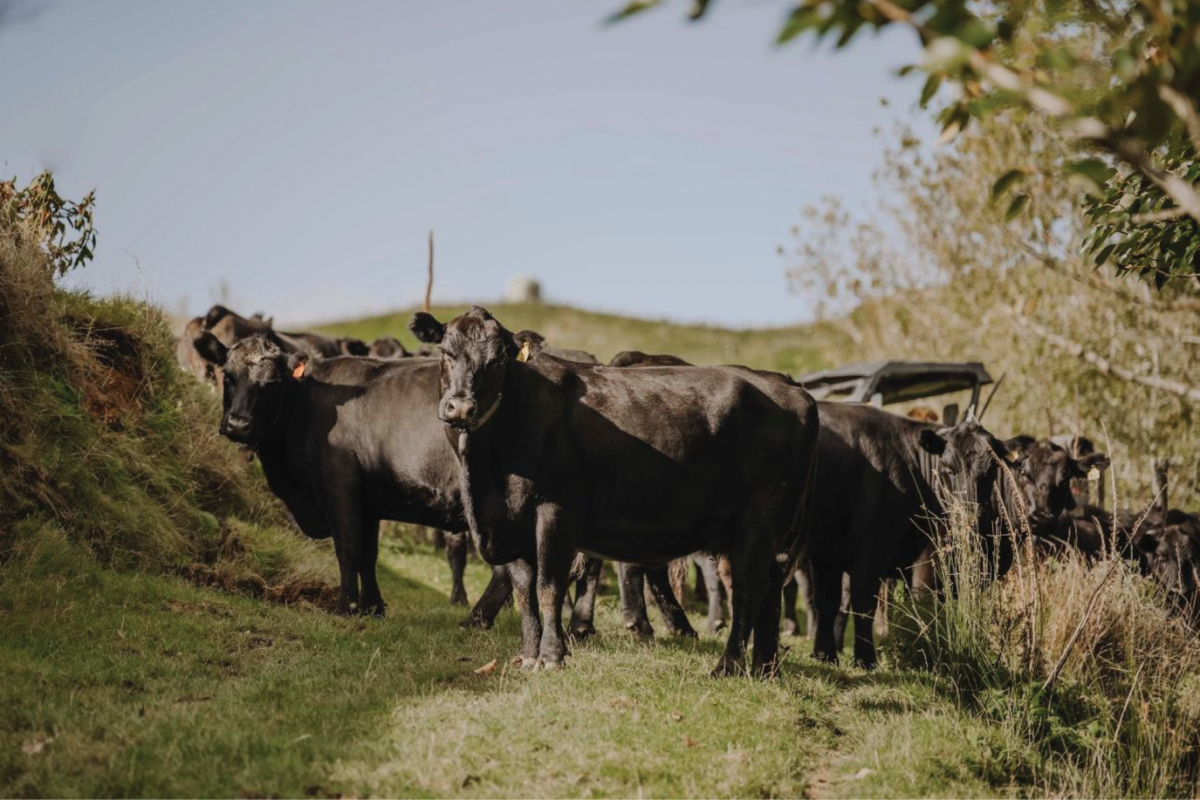
This report investigates the potential for wearable technology—specifically virtual fencing—on beef cattle to drive a step change in the performance and sustainability of New Zealand hill country farming. Hill country farms, which make up half of New Zealand’s sheep and beef sector, have faced significant challenges in recent years, including declining profitability, competition from carbon forestry, and environmental pressures.
These pressures have resulted in many hill country farmers questioning their long-term financial sustainability. While hill country farm systems typically run at much lower stocking rates than their counterparts on rolling and flat country, the high cost and impracticality of physical subdivision have long been considered limiting factors to the adoption of intensive grazing systems that could improve productivity and environmental outcomes.
Through a combination of literature review, digital surveys, interviews, and detailed farm case studies, this report finds that wearable technology offers a promising solution to these challenges. Early adopters of virtual fencing have been enabled to change their farm system, implementing an intensive rotational grazing system.
They have reported significant benefits, including substantial increases in pasture production and utilisation, substantially higher stocking rates, reduced labour and supplementary feed costs, and improved environmental protection of waterways and sensitive areas. Case studies demonstrate that these gains can be achieved without increasing labour requirements and can lead to improved farmer wellbeing and outlook.
However, the report also identifies key risks and constraints. The success of wearable technology depends on effective pasture management, upskilling of farmers, and robust support and training—areas where consultants and industry organisations, with the support of wearable technology providers, have a critical role. There are also knowledge gaps regarding the long-term impacts of intensive grazing on soil fertility, water retention, nutrient cycling, and greenhouse gas emissions in hill country environments.
The report recommends:
- Prioritising new, unconstrained research for hill country.
- Farmer upskilling in pasture management and farm system change.
- Clear protocols and best practice guidelines for using wearables that safeguards animal welfare and environmental outcomes.
- Training and extension to support farmer upskilling and system change using wearables.
- Research into the cost benefit of wearables on beef production in varying systems.
- Investment into on farm water infrastructure and innovation into high-tech low-cost water solutions.
While the outlook for wearables on beef is optimistic, this is recent innovation, and ongoing evaluation is required to determine their sustained benefits and limitations.
Natasha Cave