
Angus Pure is a branded Beef program owned 50 percent by the New Zealand Angus Association, the remaining 50 percent is privately owned. New Zealand Angus Association has 325 active members supplying Angus genetics to commercial beef farmers as part of their branded program. The objective of this program is to create a greater demand and awareness for Angus genetics throughout New Zealand, and obtain premiums for the commercial beef farmer and pedigree bull breeders. This is a mirror imagine of an already existing program run in America called CAB (Certified Angus Beef) and in Australia called CAAB. (Certified Australian Angus Beef) CAB is a specification based branded beef program, which was founded by the American Angus producers in 1978 to increase the demand for their breed of cattle by promoting Angus cattle as having a greater consistent high quality beef value via superior taste. This brand unlike the New Zealand Angus Pure brand is owned solely by their member base. So why did the New Zealand Angus Association decide to create a beef brand within a already saturated internal and export market, what was their goal and how did they expect to achieve this?
 2025
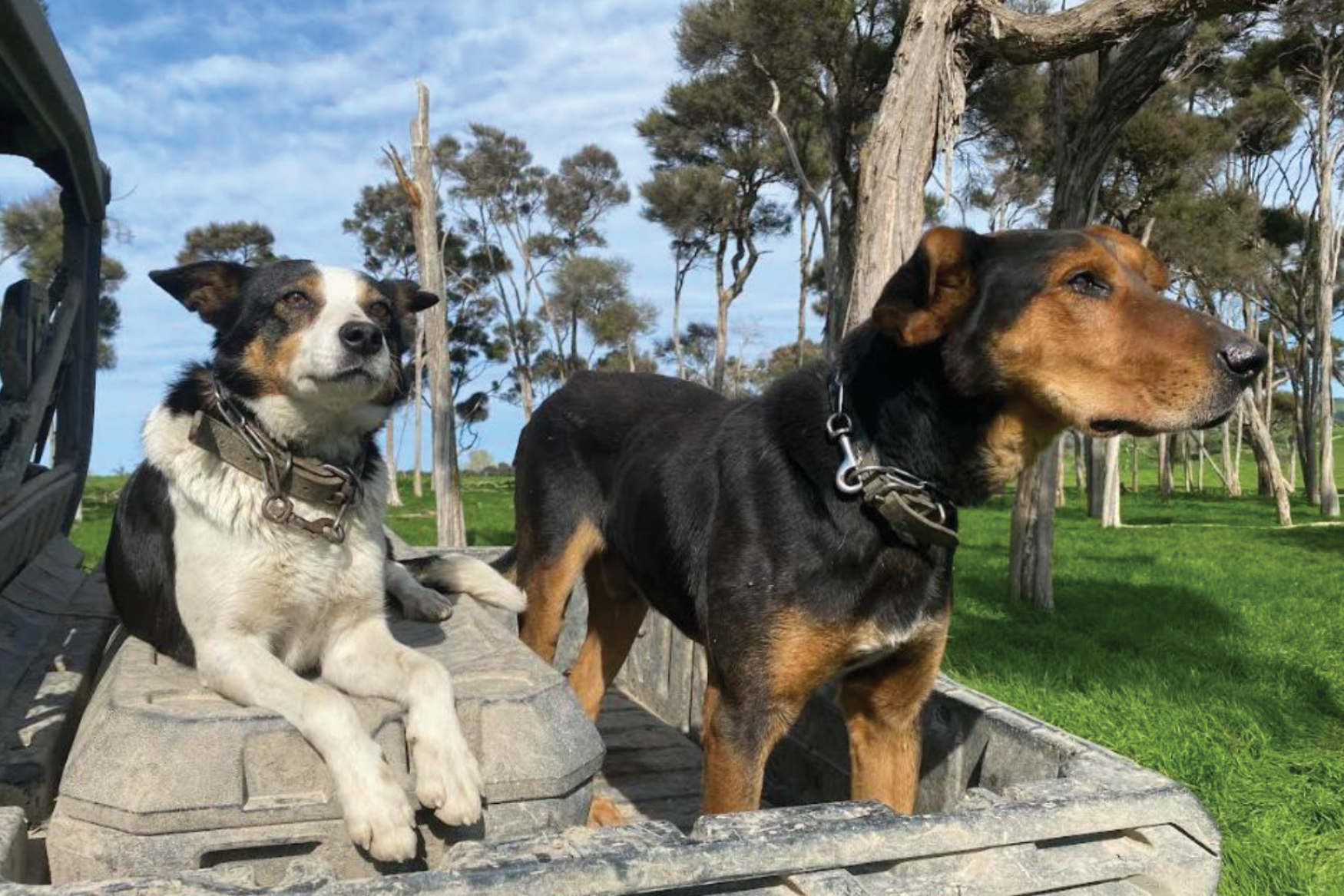
2025 Navigating Sheep and Beef Manager Retention
This report by Richard Cameron identifies key challenges in attracting and retaining skilled farm managers, including low wages, poor work-life balance, and limited ownership pathways. ...
 2025
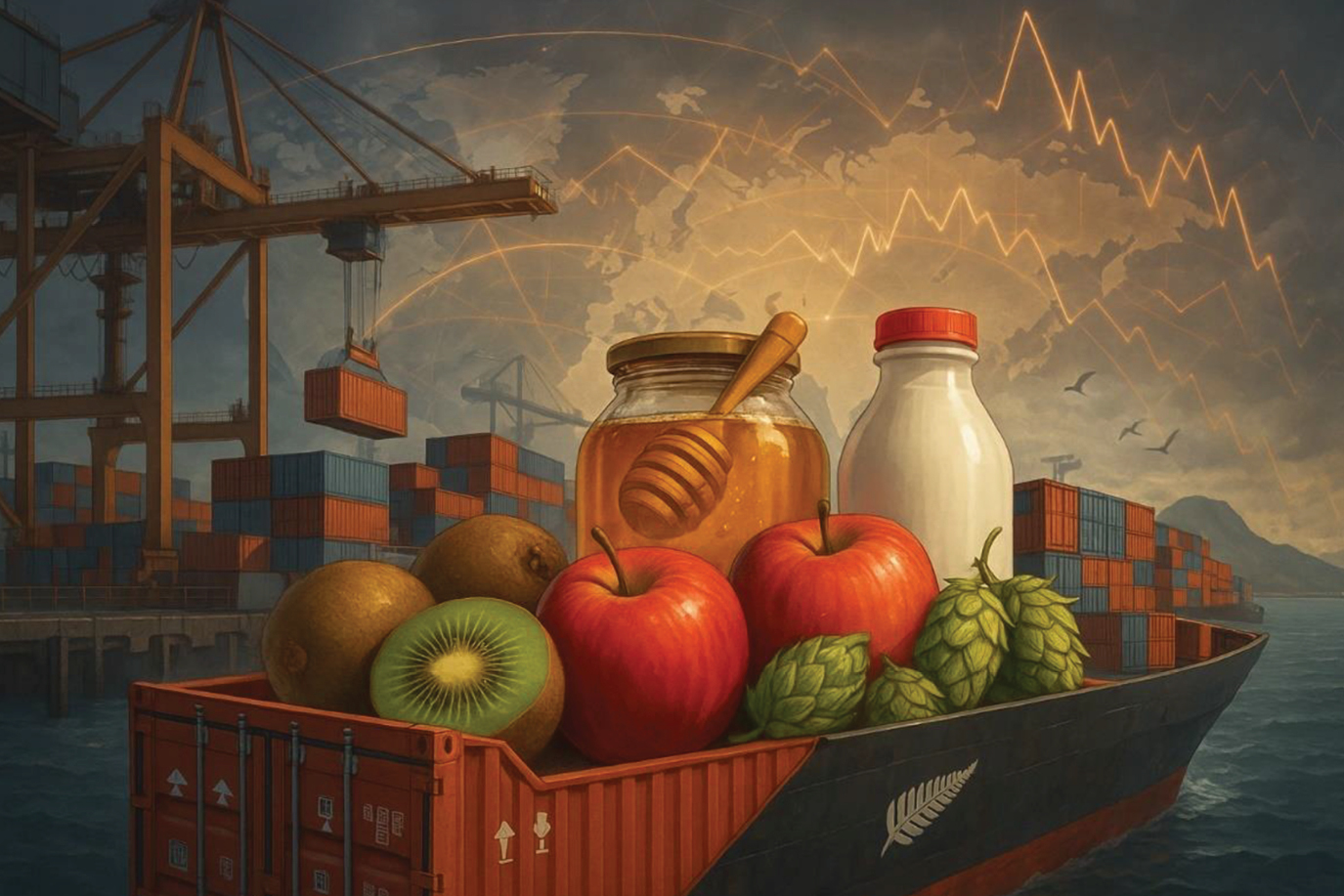
2025 Trading in Turbulent Times: Positioning New Zealand’s Global Food Trade, in a Shifting Global Order
NZ’s food exports depend on strong global partnerships and market trust. This report by Olivia Smith explores how innovation, integrity, and strategic investment, not volume ...
 2024
2024 The performance psychology of elite Canterbury sheep and beef farmers
This paper investigates whether the use of Sports Psychology tools could be that one percent advantage, what the most applicable tools are and how they ...