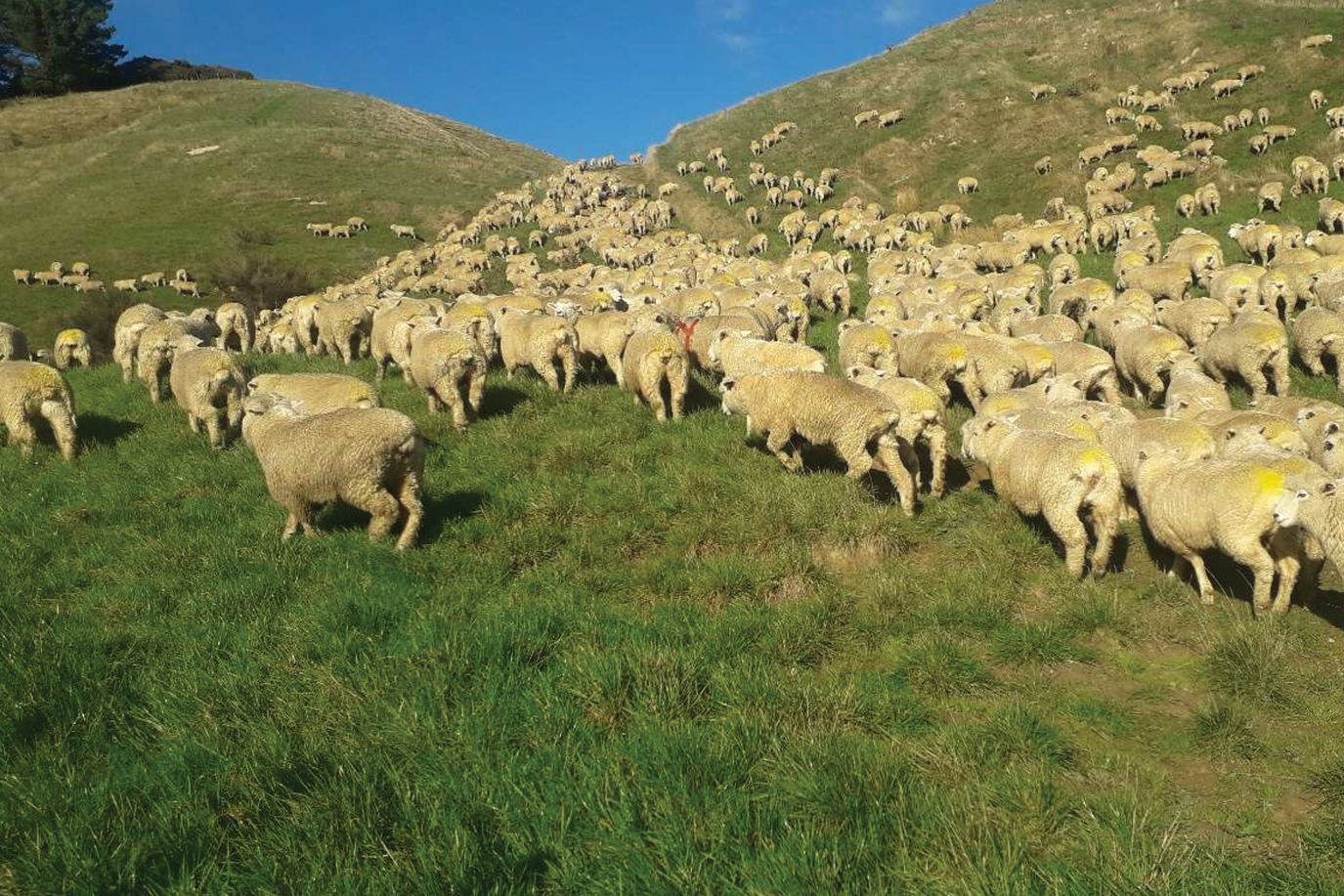
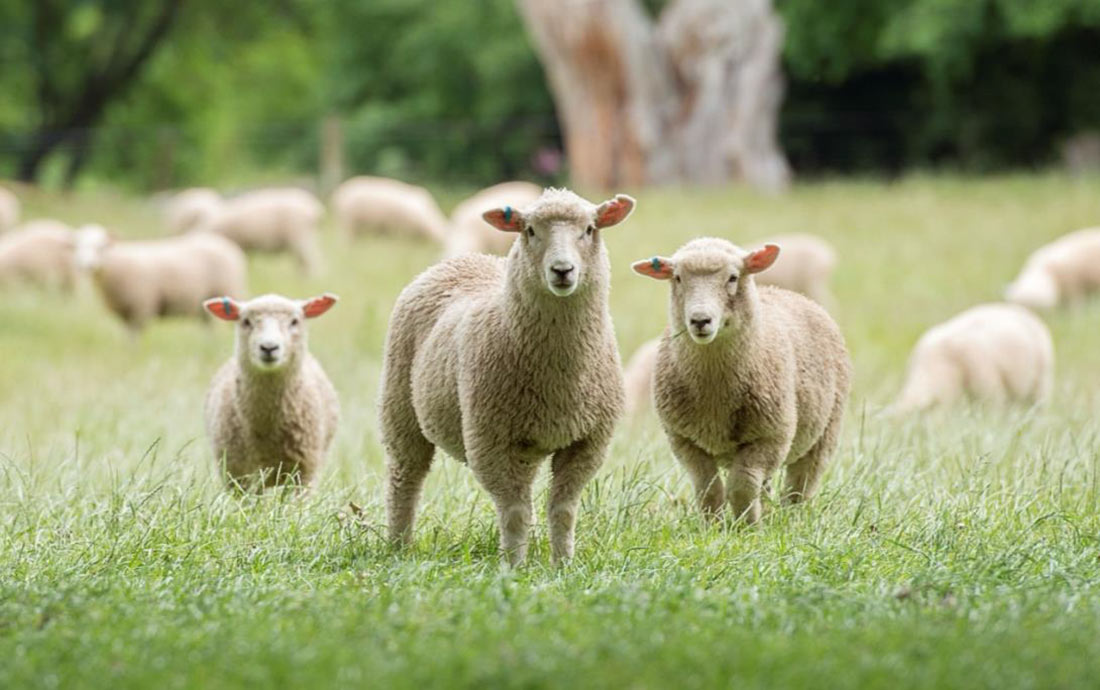

The degree of lamb survivability in New Zealand is likely to become a consideration for consumers as they expect better quality product. This must equate to a balanced triple bottom line (people, planet and profit) for farming businesses. New Zealand has lower survivability outcomes for lambs than other parts of the world. The widely broadcast image of New Zealand lambs farmed on picturesque green hills, could be undercut by the animal welfare issue of preventable lamb deaths. Triplet lambs and greater birth ranks are the most at risk of not surviving to the point of becoming a product of value, compared to their single and twin counterparts.
This report therefore explores:
- Whether farmers believe there is an issue with lamb wastage in New Zealand and how it affects them personally.
- The strategies that are being used in New Zealand to improve triplet lamb survivability and their perceived effectiveness.
- A deeper dive into the opportunities that using artificial rearing of lambs and/or having ewes lamb indoors may provide, and what the interest is around using these strategies.
- What the implementation gap is for farmers to adopt using artificial rearing of lambs and/or having ewes lamb indoors as a strategy to improve triplet lamb survivability.
This study is important as it provides insight into the level of acceptance from the farmers point of view of lamb survivability. What farmers are currently doing and willing to do so that wider industry can gain insight into where sheep farmers are at in the lamb survivability story. Lastly, how industry groups might be able to support them better moving forward.
The method to complete this study included carrying out a literature review covering general lamb survivability, trend of increased number of triplets, factors affecting survivability of triplets, and strategies to improve triplet survivability. A survey was then written with 30 questions investigating the bullet points above. This was distributed electronically to farmers, mostly through email and social media. Results were analysed quantitively and qualitatively with Likert scale charts and graphs to better communicate the results.
Two interviews were conducted to present two different cases studies. They showcase two New Zealand farms, one using artificial rearing at scale, and the other lambing ewes indoors as well as using fostering strategies to improve the survivability outcomes of their triplet lambs.
The key findings from this study are:
- 84% of famers agree that lamb wastage is an issue for New Zealand farmers, 28% of them feel it negatively impacts their mental health and 38% are not satisfied with their triplet survival.
- The strategies farmers are mostly using to improve triplet survivability are having fewer ewes per paddock than twin bearing ewes, lambing beats, having shelter within a lambing paddock, and using smaller paddocks for triplet bearing ewes to lamb in than twins.
- However, farmers perceived artificially rearing of one triplet lamb, and having ewes lamb indoors as the most effective strategies to improve triplet lamb survivability.
- Almost half of famers surveyed are interested in adopting an artificial rearing system, and a quarter are interested in having ewes lamb indoors to improve triplet lamb survivability.
- Farmers want more information about the revenue, costs, having the infrastructure and seeing the system in action to persuade them to adopt either or both of these strategies.
The recommendations concluded from this study include:
- Lamb survivability benchmarks and KPIs to be formed by industry professionals for farmers to benchmark themselves against to encourage improvement of a farm’s triple bottom line and encourage tracking of their lamb survivability trends.
- Farmer resources to be created by industry professionals to give farmers actionable, relevant and easily understood information on how to incorporate artificial rearing or indoor lambing into their sheep farming systems.
- Genetic improvement of commercial sheep flock’s survivability merit should be measured to determine the impact of nProve Tracker and whether genetic survivability gain is being made.
Julia Hardwick-Smith