
What is it that requires fish to be farmed? Is it the need for food? Is it the need to protect the wild fish stocks? Or is it because it makes economic sense? This report gives an insight into how where and why fish are farmed. Most of the earth is being farmed to potential and as the world population increases so does the demand for food. The world is two thirds water so perhaps there is more potential to produce food from the sea than from the land. Combine this with the fact that most of the worlds fish stocks are being depleted by over fishing and the obvious answer is to use the sea to farm the species of fish that are in most demand. Farming fish does not come without risks and effects on the environment, this report looks at those risks and gives methods to mitigate these. Farming fin fish is a relatively new industry for New Zealand, but has the potential to provide significant economic gains for the economy. Wild fish stocks around the world can not sustain the current rising demand being put on them, fish farming will have a direct positive effect on reversing this.


 2025
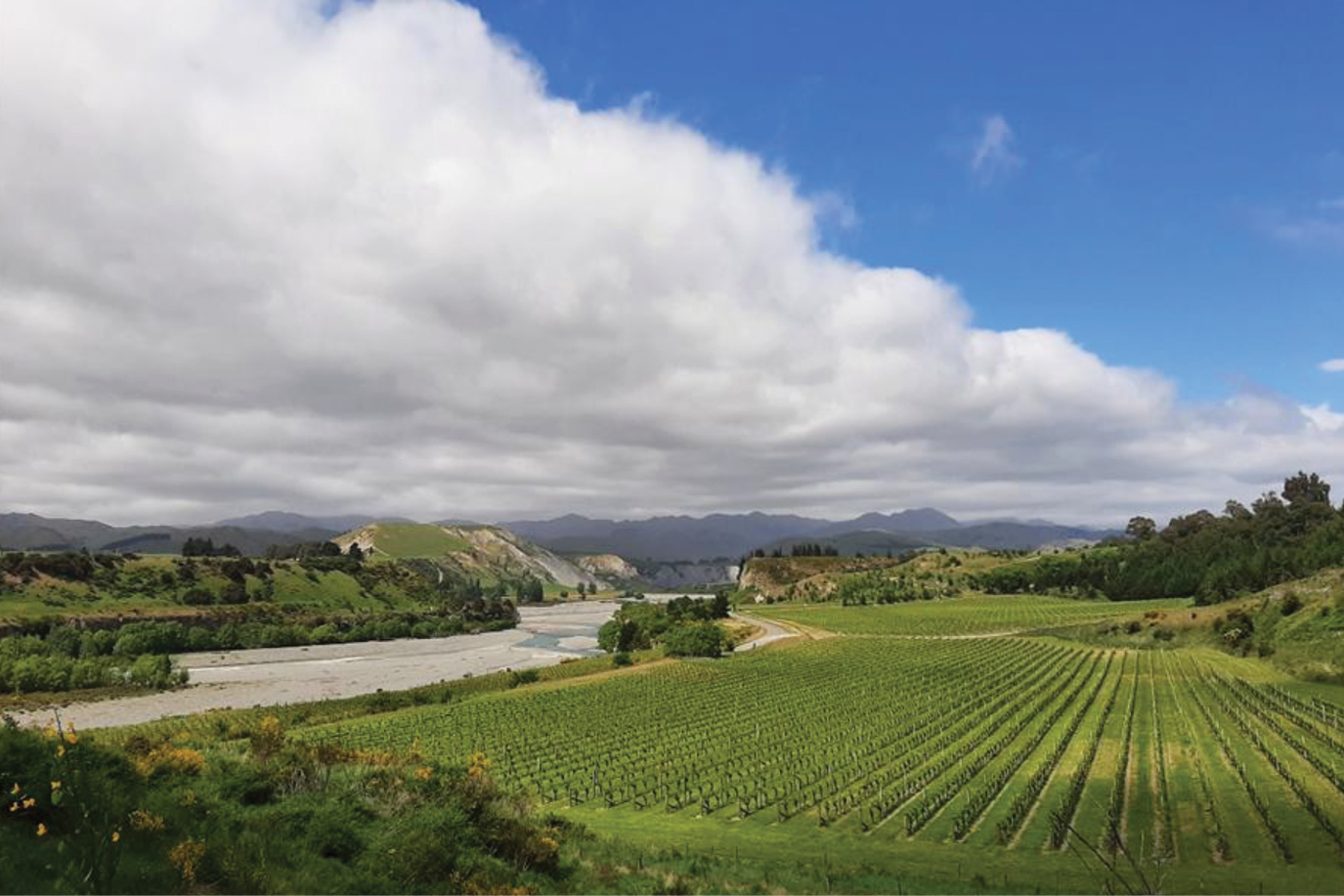
2025 Overcoming Barriers to Data Interoperability Within New Zealand’s Wine Industry
NZ wine confronts rising costs and unpredictable markets. This report by Zac Howell reveals how smarter data use, strong governance, and industry trust can unlock ...
 2025
2025 Dairy Farmers Love Sharing Data… But There is a ‘But’
This report explores how NZ dairy farmers approach on-farm data sharing amid regulatory pressures. Farmers are rational—sharing data when trust, control, and value are assured. ...
 2025
2025 From Retention to Resilience: Strengthening MPI’s Veterinary Workforce
Veterinarians are vital to MPI’s export, biosecurity, and food safety systems. This research identifies key retention challenges and offers strategies to build a resilient, engaged ...