
Increased nitrogen application has potential to achieve “step change” in forage production and productivity of hill country properties. This paper reports the results of a financial evaluation of high rates of nitrogen at Limestone Downs where the farms management have experienced difficulty in meeting sheep and cattle feed requirements in late winter and spring. High rates of nitrogen (250kg N/ha in split dressings) were applied from June to September and pasture responses measured by Agresearch®. In the first year of the study large (19 kg DM/kg N) responses were achieved to applied N, and in the second year 11 kg DM/kg N within 90 days of application. The financial performance of the system was evaluated by monitoring of the whole farm system using the simulation model Stockpol®. Evaluations were completed across a four-year period, including two years prior to the application of high nitrogen rates, the transition year and for the new farm system operating at a sustainable level.


 2025
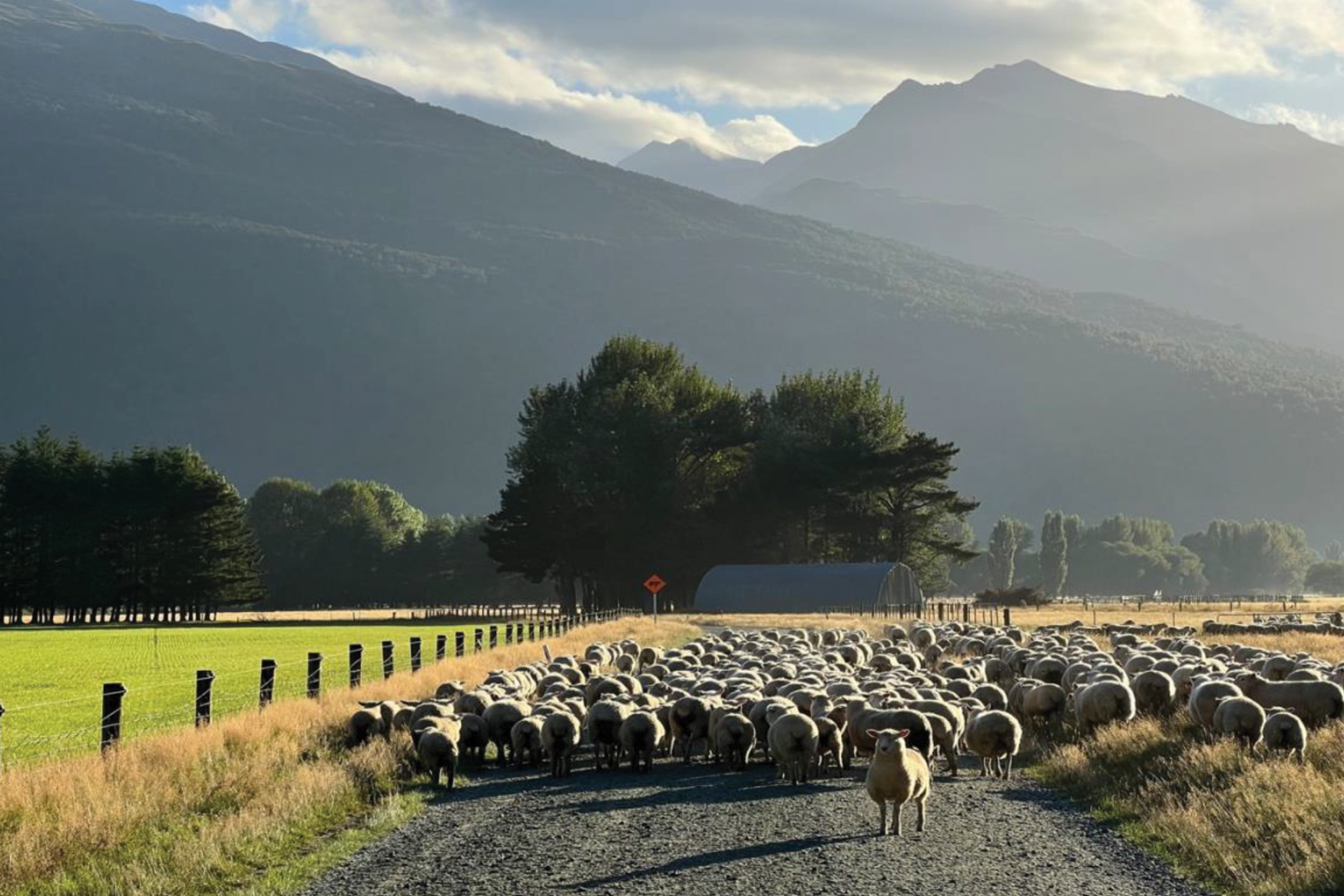
2025 How can we Maximize Production in our Decreasing Ewe Flock?
This report by Matt Ward looks at boosting ewe flock productivity amid national decline by using terminal sires, better genetics, and more innovative flock strategies ...
 2025
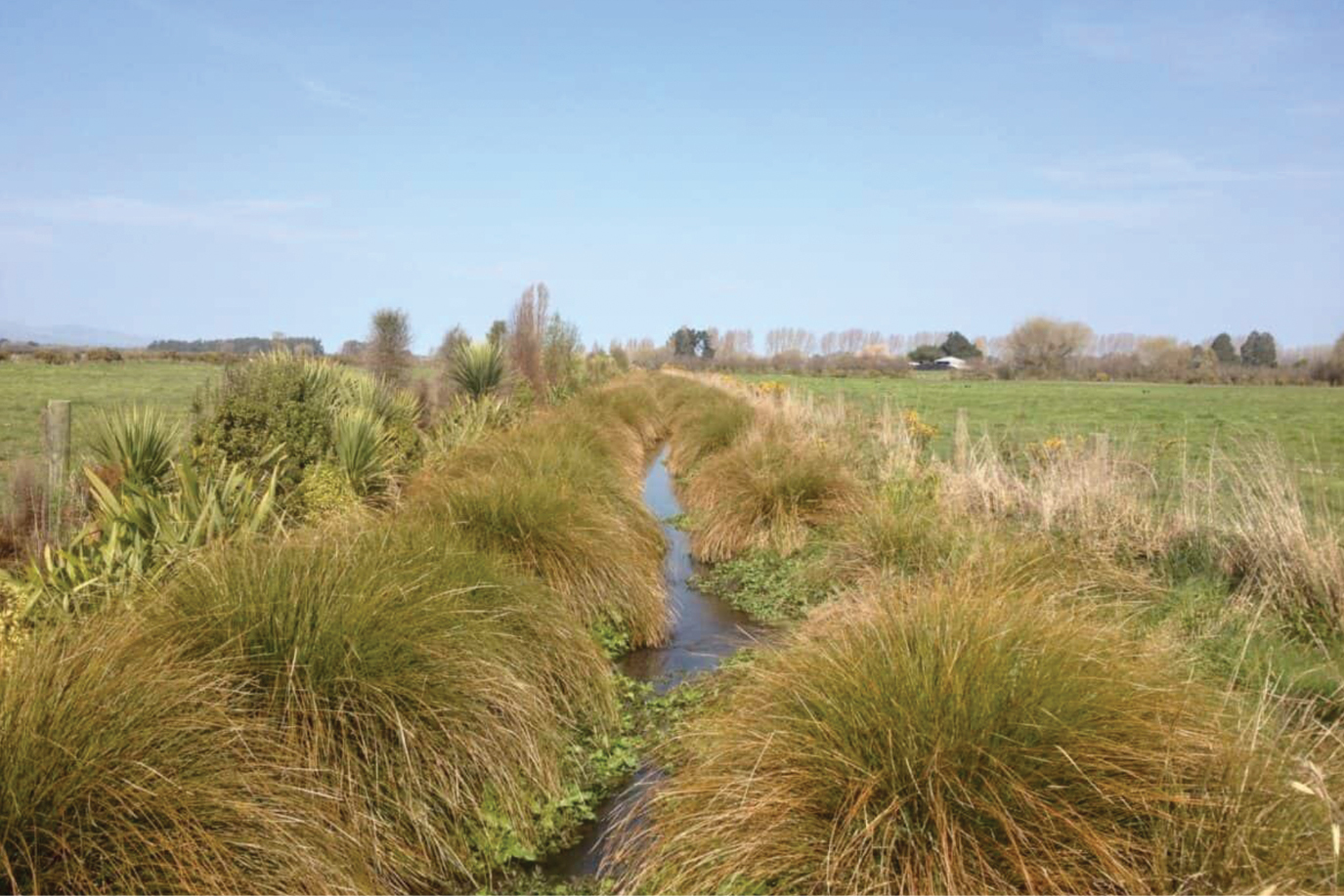
2025 Enhancing Biodiversity on Canterbury Dairy Farms to Improve Our Social License to Operate
This report by Nick Vernon, examines how biodiversity actions, community expectations, and stakeholder involvement intersect to build trust, improve environmental results, and support long-term sustainability.
 2025
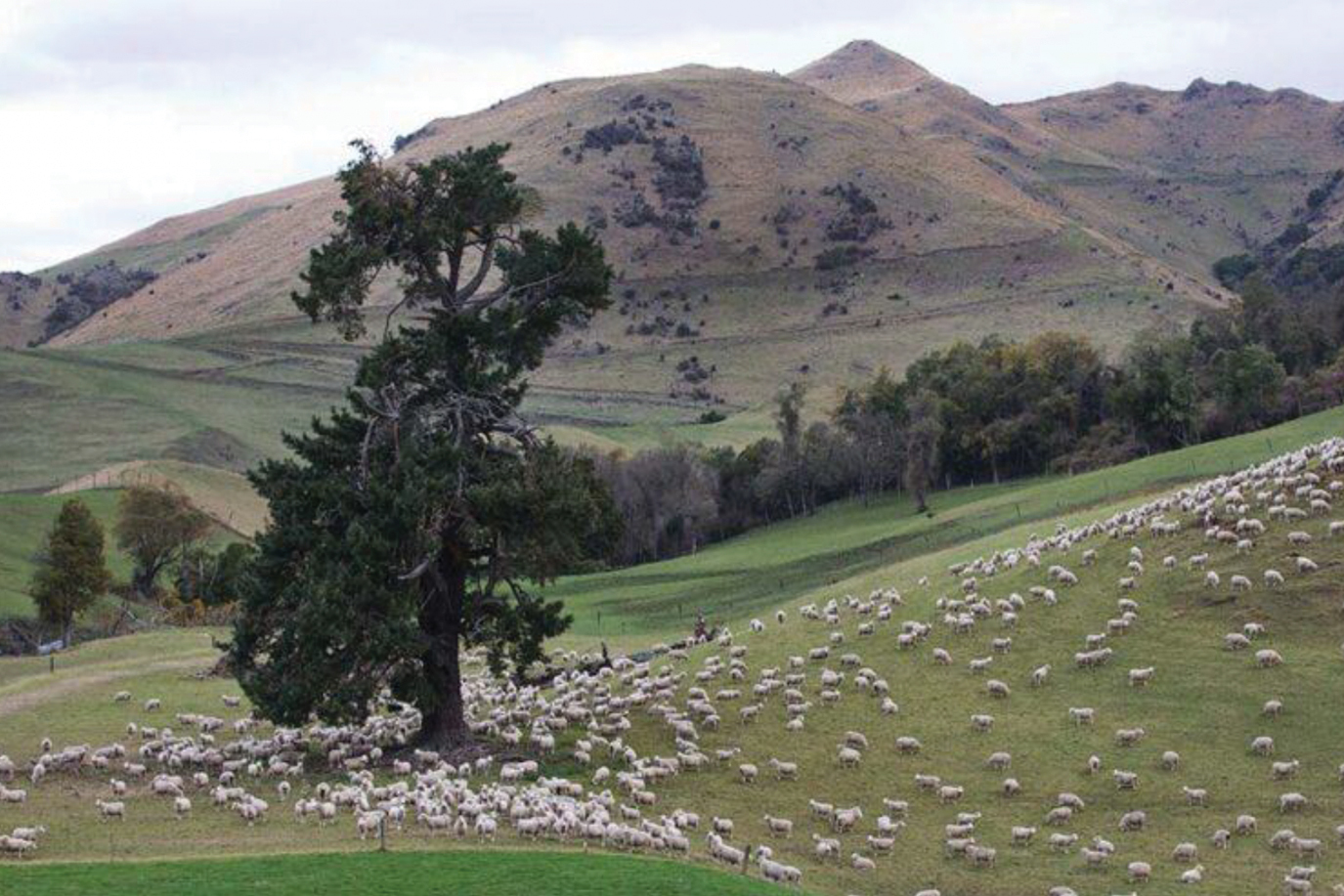
2025 What are the Key Considerations of Weighing Technology Adoption on Sheep and Beef Farms in NZ?
This report by Campbell Smith looks at the adoption of livestock weighing tech lags due to trust, usability, integration, support, cost thresholds, and peer influence ...