
This report was motivated by the continued unrest and perceived dysfunctional nature of the New Zealand sheep meat industry relative to its ongoing viability and sustainability. Processing overcapacity, amalgamation, single desk, change to management structures, lack of R&D, rising on farm costs, are only a few of the widely debated topics that are seen as key issues the industry needs to address to ensure a sustainable industry for the future. It is acknowledged that where we are now is not working and is not economically sustainable in its current form. Whilst there have been a number of reports that have been written in recent years highlighting key issues with the sheep meat sector, there has been little traction as to positive movement towards resolving the issues that have been identified, and the same issues continue to arise in subsequent reports and publications. This report takes a different approach in that it addresses how our supply chain needs to be structured if we are to effect long term sustainability into our sheep meat sector. Through an integrated sheep meat value chain we have the opportunity to deliver long term sustainability to our primary sector.

 2025
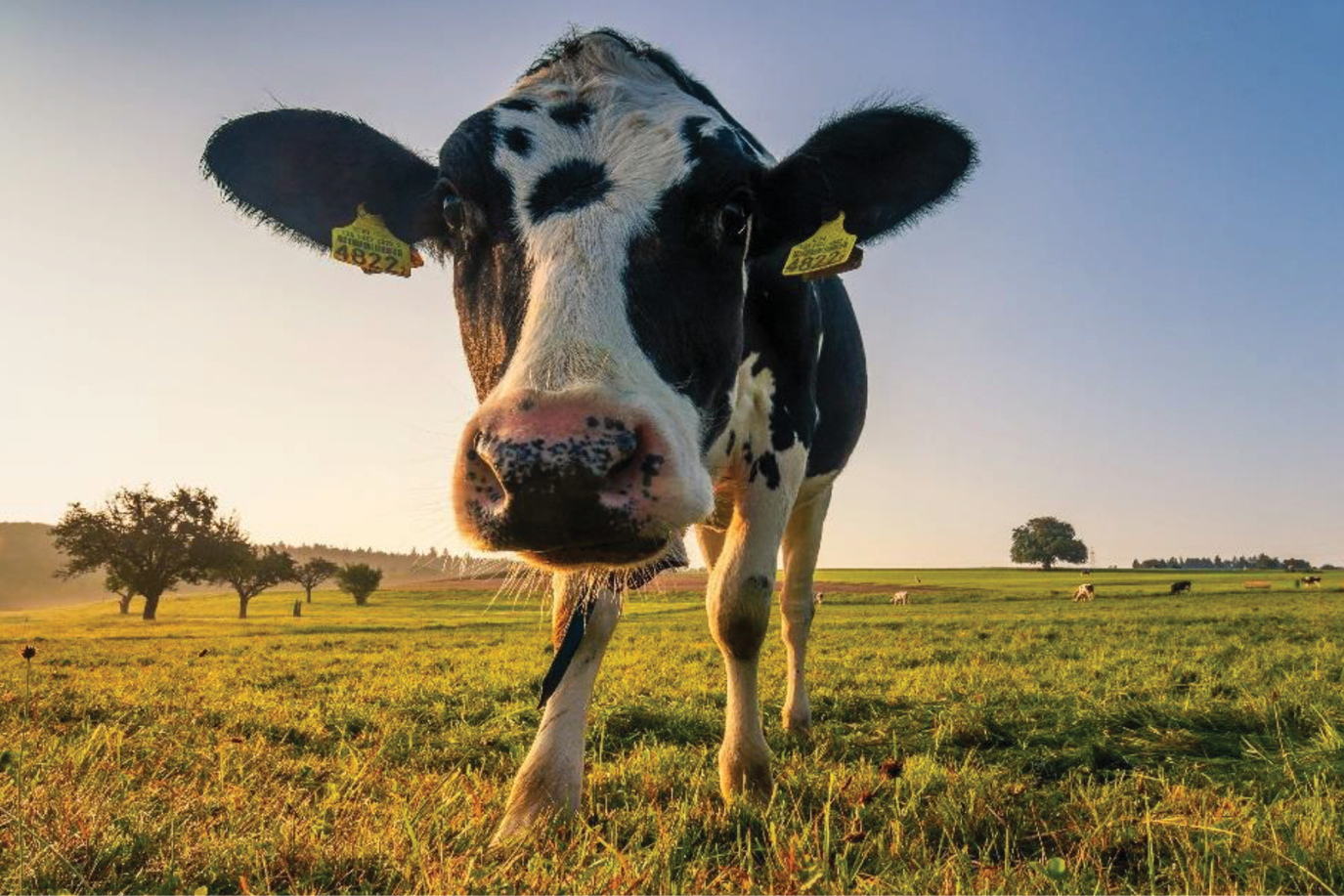
2025 Collars, Costs and Returns: Assessing the Value of Cow Wearables in NZ Pasture Systems
Wearable technologies offer real benefits in monitoring, labour efficiency, and safety on NZ dairy farms. David March’s report discovers that for high-performing operations, financial returns ...
 2024
2024 Dairy animal welfare in New Zealand
This report covers animal welfare in New Zealand’s dairy industry, focusing on cattle, goats, and sheep. Key issues include lameness, painful procedures, and surplus offspring.
 2025
2025 From Retention to Resilience: Strengthening MPI’s Veterinary Workforce
Veterinarians are vital to MPI’s export, biosecurity, and food safety systems. This research identifies key retention challenges and offers strategies to build a resilient, engaged ...