
Politically and publicly it has been decided that water quality and quantity are fundamentally important for the future of New Zealand. While this appears to be an appropriate goal that fits with our Clean Green and Pure NZ slogans it overlooks the challenge that it imposes on the primary production sector. Finding the balance between public expectation (pristine water) and what is realistically achievable and affordable is the tension that dairy farmers are grappling with at present. Effluent management and non compliance with Council rules have become the focus. While concerns existed in the 1990’s about the success of applying dairy effluent to land it wasn’t until 2003 before there was any significant investigation and scientific research. The purpose of this report is to; 1. review the available information on farm dairy effluent management with an emphasis on information that describes what happens to effluent once it is discharged to land, 2. summarise the basic principles and terminology associated with soil and irrigation that are relevant to keeping effluent within the root zone (ie achieving Best Practice), 3. identify the key factors and data that is required to achieve Best Practice, 4. link the findings to existing on-farm systems and provide practical guidance about applying effluent to land and choosing the ‘right’ effluent management system, 5. test the validity of the information and guidance by undertaking a case study, 6. provide information in a format that can used to develop regulations, Fact Sheets or educational material for rural professionals, Councils, AglTO and farmers.


 2024
2024 Understanding GMOs and NBTs: A New Zealand perspective
This report explores the evolving landscape of gene technology in NZ, focusing on the implications of genetic modification (GM) and the New Breeding Techniques (NBTs) ...
 2025
2025 A New Fleece on Life: How the Sheep Farming Sector in Aotearoa Can Halt Terminal Decline to Secure a Sustainable and More Secure Future
Tara Dwyer reports the New Zealand sheep sector stands at a critical juncture, requiring courage, collaboration, and leadership, with recommendations for genuine product differentiation and ...
 2025
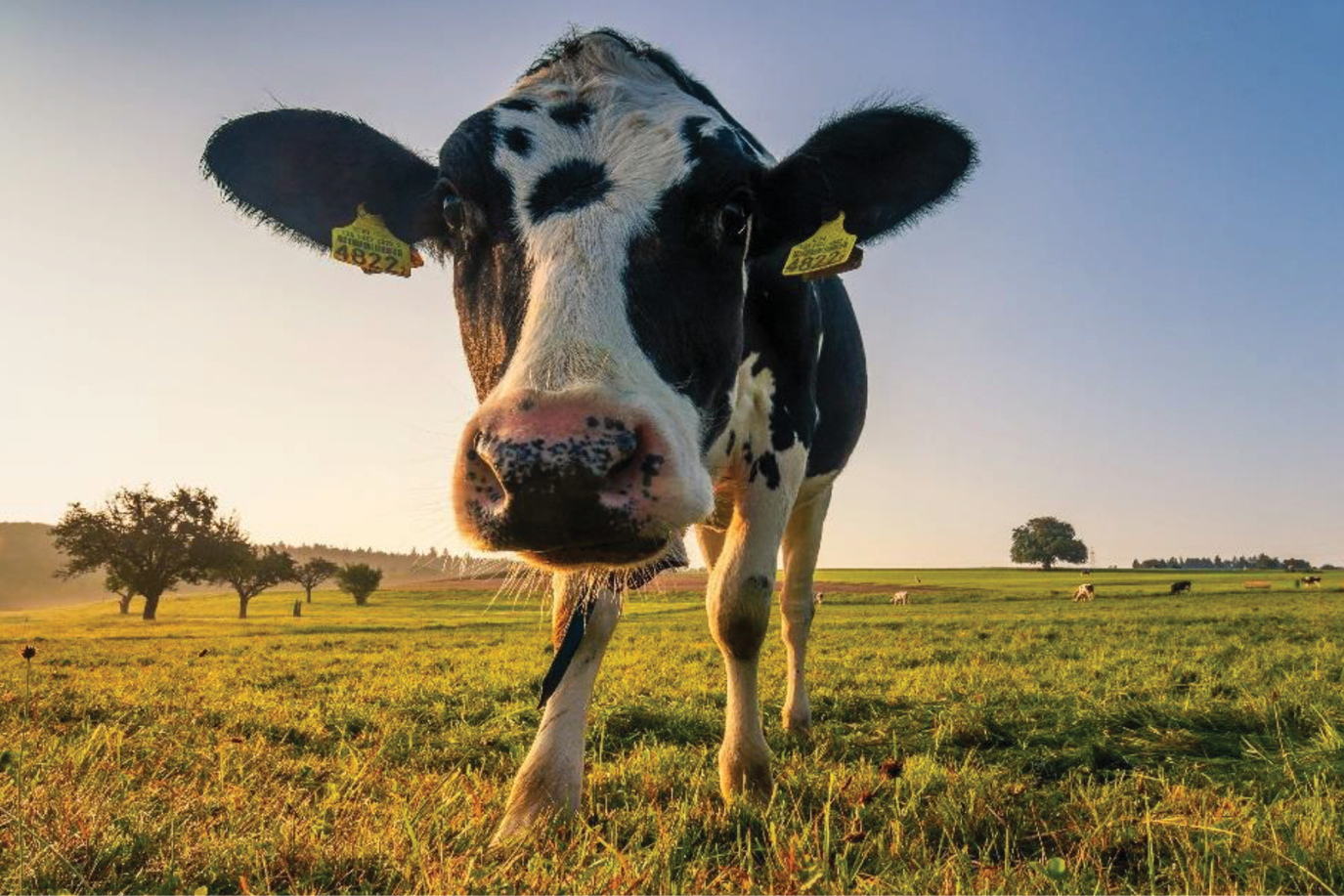
2025 Collars, Costs and Returns: Assessing the Value of Cow Wearables in NZ Pasture Systems
Wearable technologies offer real benefits in monitoring, labour efficiency, and safety on NZ dairy farms. David March’s report discovers that for high-performing operations, financial returns ...