
The New Zealand bull beef industry can trace its beginning back to the early 1970s and the high international beef prices current at that time. Industry pioneers, recognizing the dairy farmers ‘bobby’ calf as a resource too valuable to ignore, set out to determine how best to optimize this resource. Through research, trial and error and the school of hard knocks the pool of information and experience expanded over those early years. Significant productivity gains were captured and the number of dairy-bred bulls being farmed continued to increase. Acknowledging the high growth potential of bulls, farmers continued to fine tune production systems -and management practices. The fact that no one best production system has evolved is testament to the many and varied factors at play. This report explores these factors and some key principles to be observed in designing an efficient bull farming system. It also investigates changes in how bulls are processed and marketed today compared with those early years. Looking to the future the report seeks to identify issues to be faced and opportunities to be grasped while identifying strengths and any apparent weakness.


 2024
2024 Changing the path of New Zealand Sheep Farming.
This report explores New Zealand's shift to shedding sheep, highlighting economic, environmental, and welfare benefits. It emphasises reduced costs, improved productivity, and sustainable practices, with ...
 2024
2024 Answers Under Foot: Should soil health be our #1 sustainability goal?
This research examines NZ horticulture's views on soil health and explores opportunities to elevate it as a key measure of sustainability.
 2025
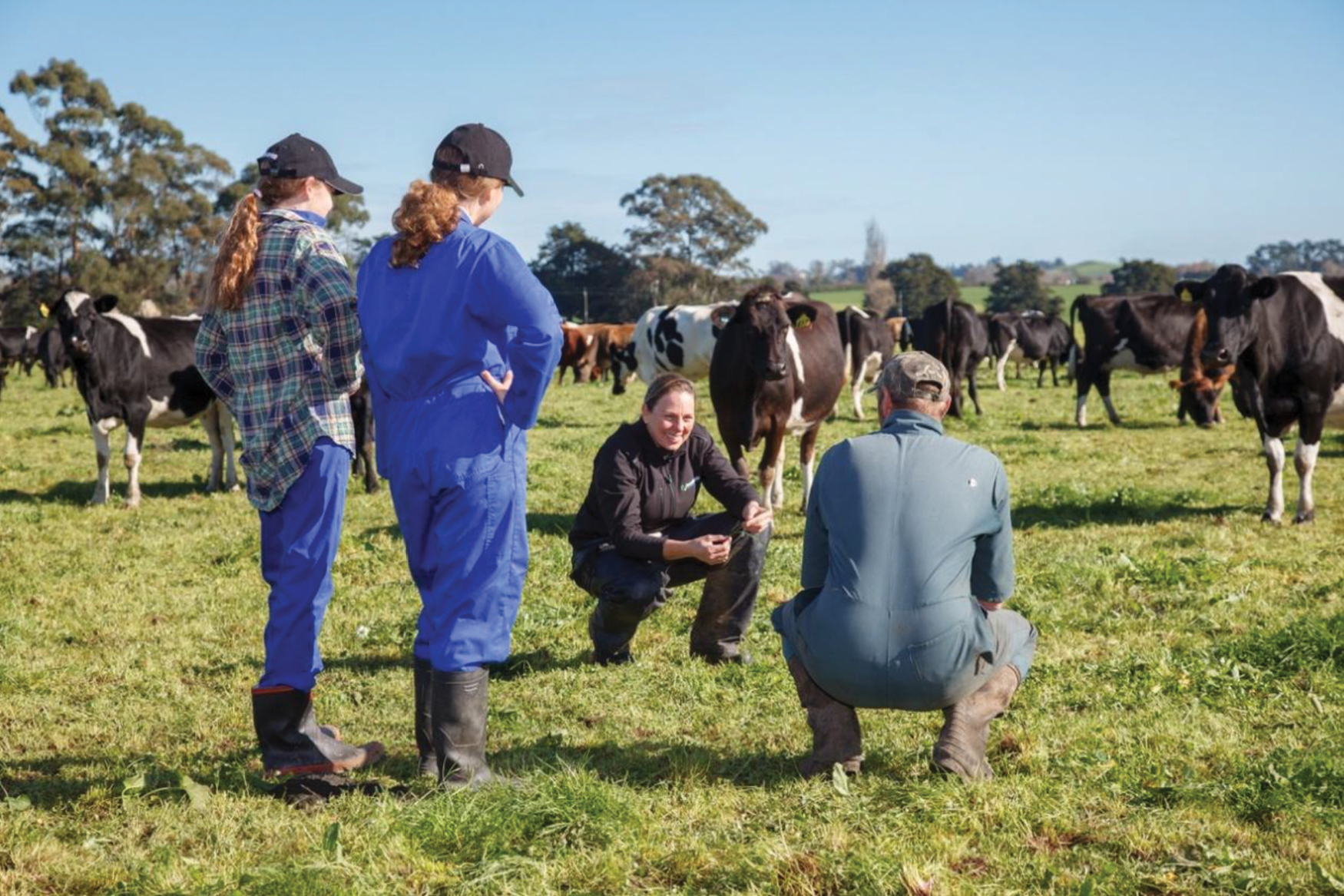
2025 Dairy Farmer-Female Veterinary Adviser Relationships in New Zealand
This report by Katrina Roberts highlights that strong farmer-female veterinarian relationships improve advice uptake and farm outcomes. Findings emphasise personal connection, trust, communication, and shared ...