
The aim of this study is to review the Protected Natural Area scheme from a farmers perspective. A holistic approach was used to allow for an overview of the many implications that the PNA programme has. The issues of property rights, management responsibility, compensation and the need to invoke a conservation ethic, are all part of the PNA scheme. Case studies of Little Valley Station and The Herons, provide invaluable insight into the publics acceptance of, the need for, and the methods by which our nations natural features, flora and fauna can be conserved. An evaluation of the Protected Natural Area programme reveals the need for careful consideration to the given be all facets of the many values that abound in New Zealand. As the culture of development at all costs evolved, it is argued that much of our natural heritage was lost. This study examines the PNA scheme from its inception to the present day and makes recommendations on how the controversy that surrounds the scheme could be avoided.


 2024
2024 Kaitiakitanga as a pathway to enduring prosperity
This report aims to show how Māori land trusts in Te Moana a Toi apply Kaitiakitanga principles to achieve sustainable governance and long-term intergenerational well-being.
 2025
2025 Are Biodiversity Credits an Opportunity for Sheep and Beef Farmers?
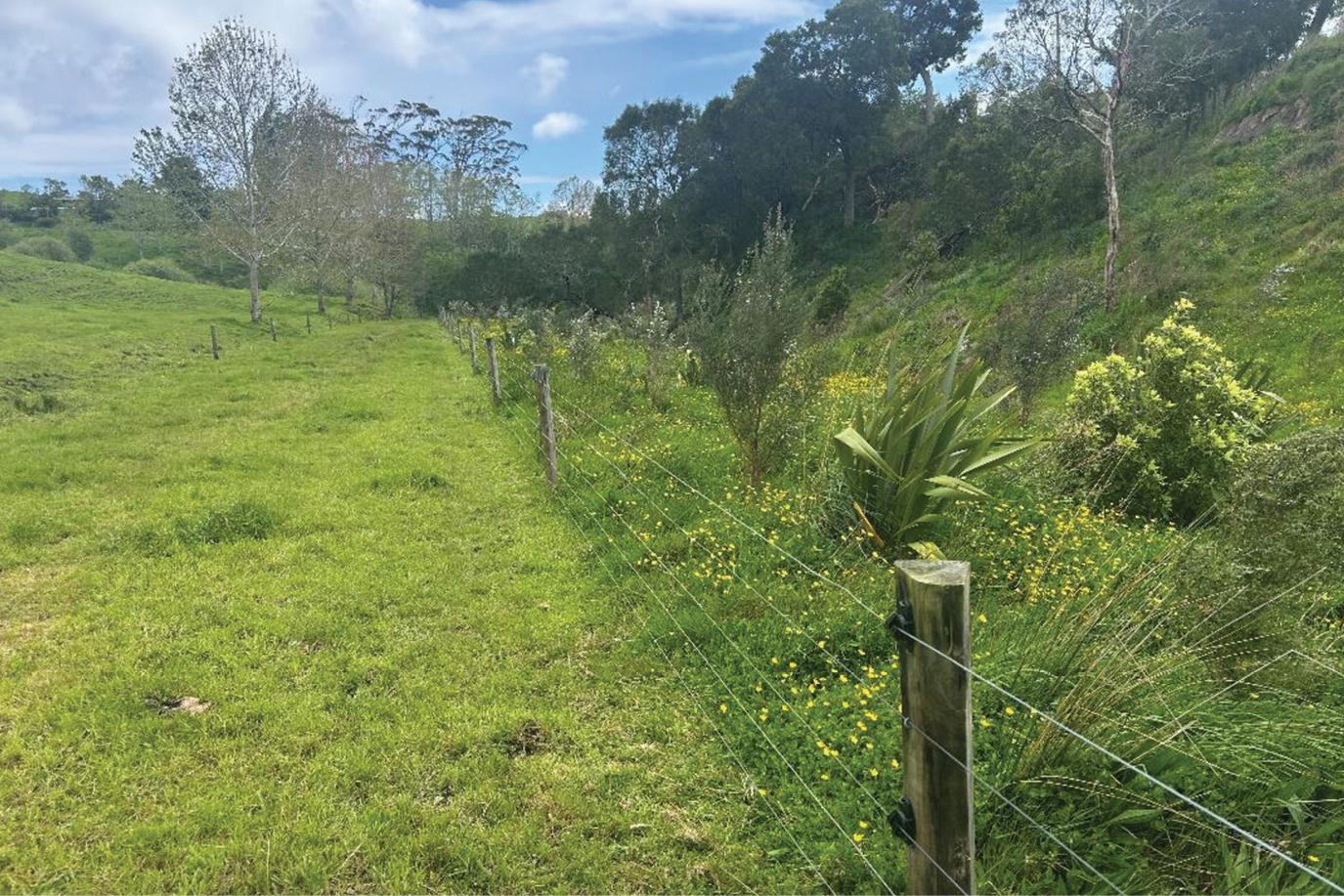
Farmers show strong interest in biodiversity credits, but high administrative costs and unclear financial incentives remain challenges. This report by Tim Orlando-Reep recommends simplifying measurement ...
 2024
2024 Answers Under Foot: Should soil health be our #1 sustainability goal?
This research examines NZ horticulture's views on soil health and explores opportunities to elevate it as a key measure of sustainability.