
NZ pastoral livestock production is currently faced with a rapidly changing environment. Input and output prices and their relativities are increasingly dynamic. The policy and regulatory environment seems to change quickly and with little warning. The physical climate and natural resource base is changing as a result of internal and external forces. Meanwhile agriculture continues to play a major part in NZ’s social, economic, and environmental systems. There is a clear need for a better understanding of possible ‘sustainability trajectories’, and ‘most likely scenarios’ with respect to the future. Stakeholders need confidence in the future of agriculture for smarter public and private investment in the sector, and more informed setting of policies and regulations. At the farm level, attracting high calibre entrants will require an improved certainty of the economic sustainability at the farm and industry level. Information about possible future scenarios is needed by producers for on-farm decisions relating to input and output optimisation. And there is a need for renewed and justified optimism within rural communities. The purpose of the proposed research is to; Provide a better understanding of the likely viability of NZ’s merino production sector to inform private and public decision making.

 2025
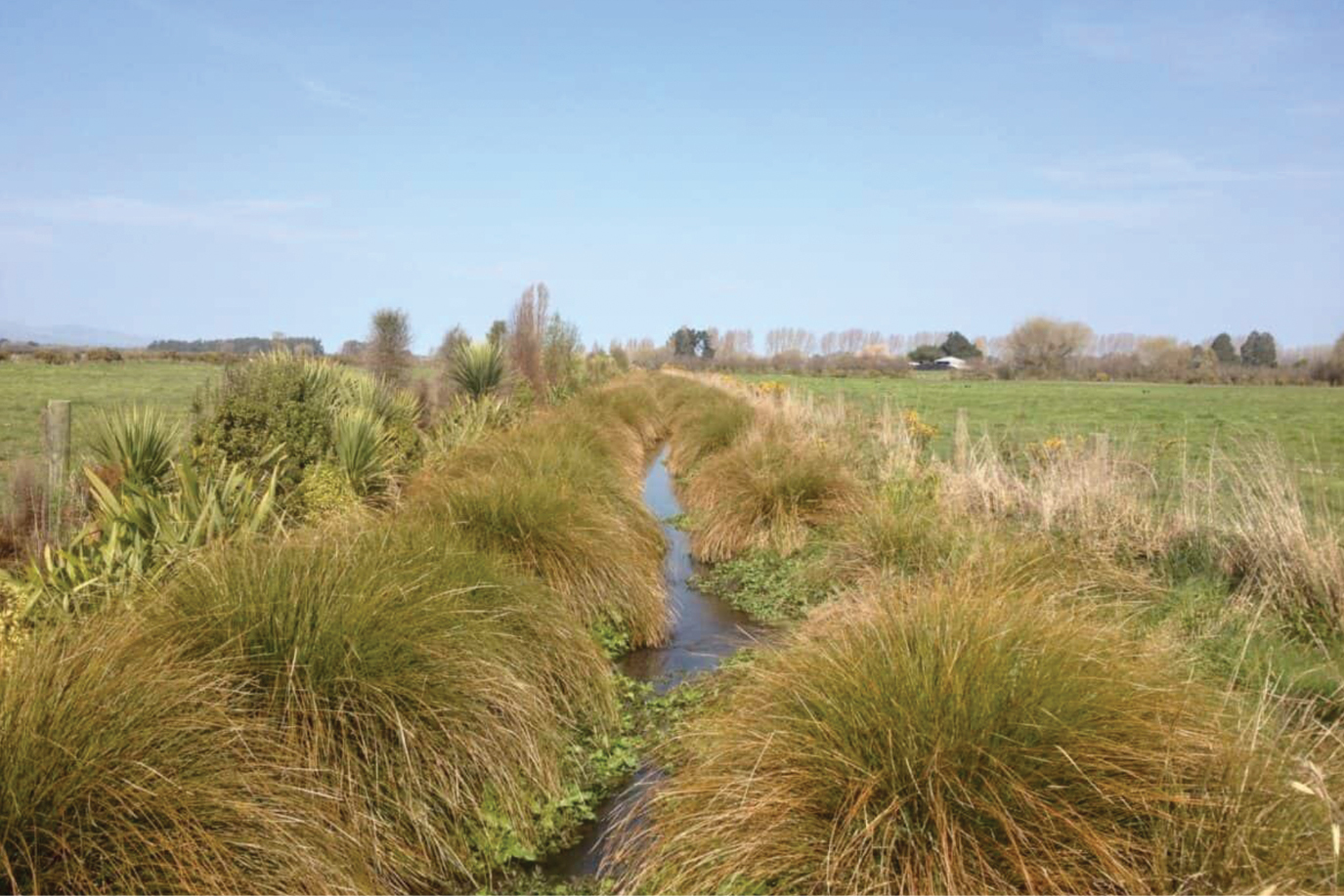
2025 Enhancing Biodiversity on Canterbury Dairy Farms to Improve Our Social License to Operate
This report by Nick Vernon, examines how biodiversity actions, community expectations, and stakeholder involvement intersect to build trust, improve environmental results, and support long-term sustainability.
 2024
2024 In ? We Trust
This report investigates the trusted sources of advice for NZ kiwifruit growers during biosecurity and adverse weather events, with a focus on understanding the drivers ...
 2025
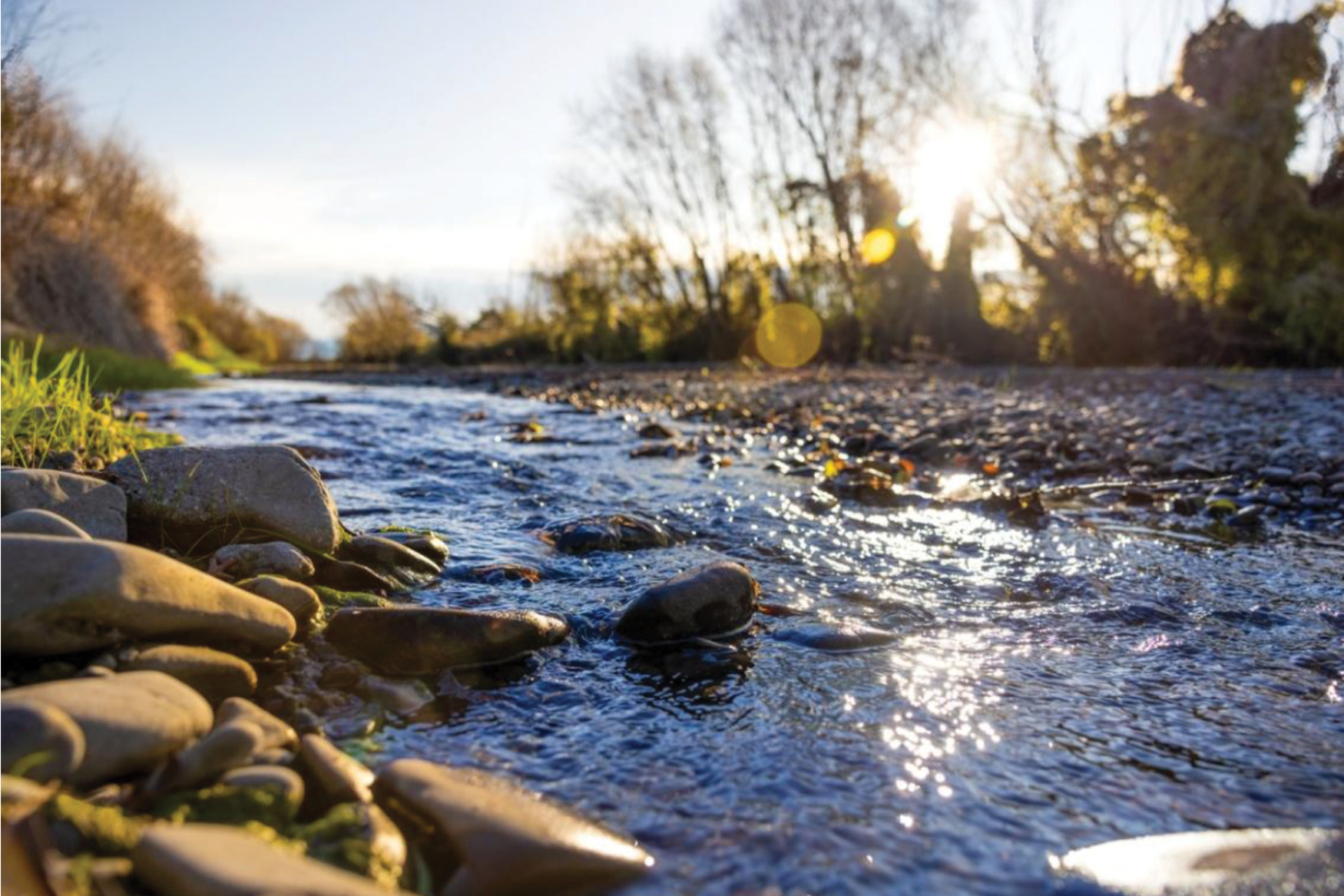
2025 Water quality in the Amuri Basin
This report seeks to gain understanding of farmer water quality perspectives in the Amuri Basin and what factors in their farming systems they were prepared ...