
The NZ dairy industry has successfully, in the past, provided a pathway to land ownership. This has been mainly via the sharemilking system. The “carrot” or opportunity of land ownership has seen the industry successfully attract and retain motivated people.
The average age of the NZ dairy farm owner is at present 50-55 years. Innovation and enthusiasm. from young blood is a prerequisite for any industry to remain vibrant and dynamic.
Rural leaders and dairy specialists are now stating that due to the increase in land values, the chance for individuals to own a farm, using the accumulated wealth they have built up while in the industry, is highly unlikely. They speculate that in the future, more people will move into equity type roles, with an increase in off-farm owners.
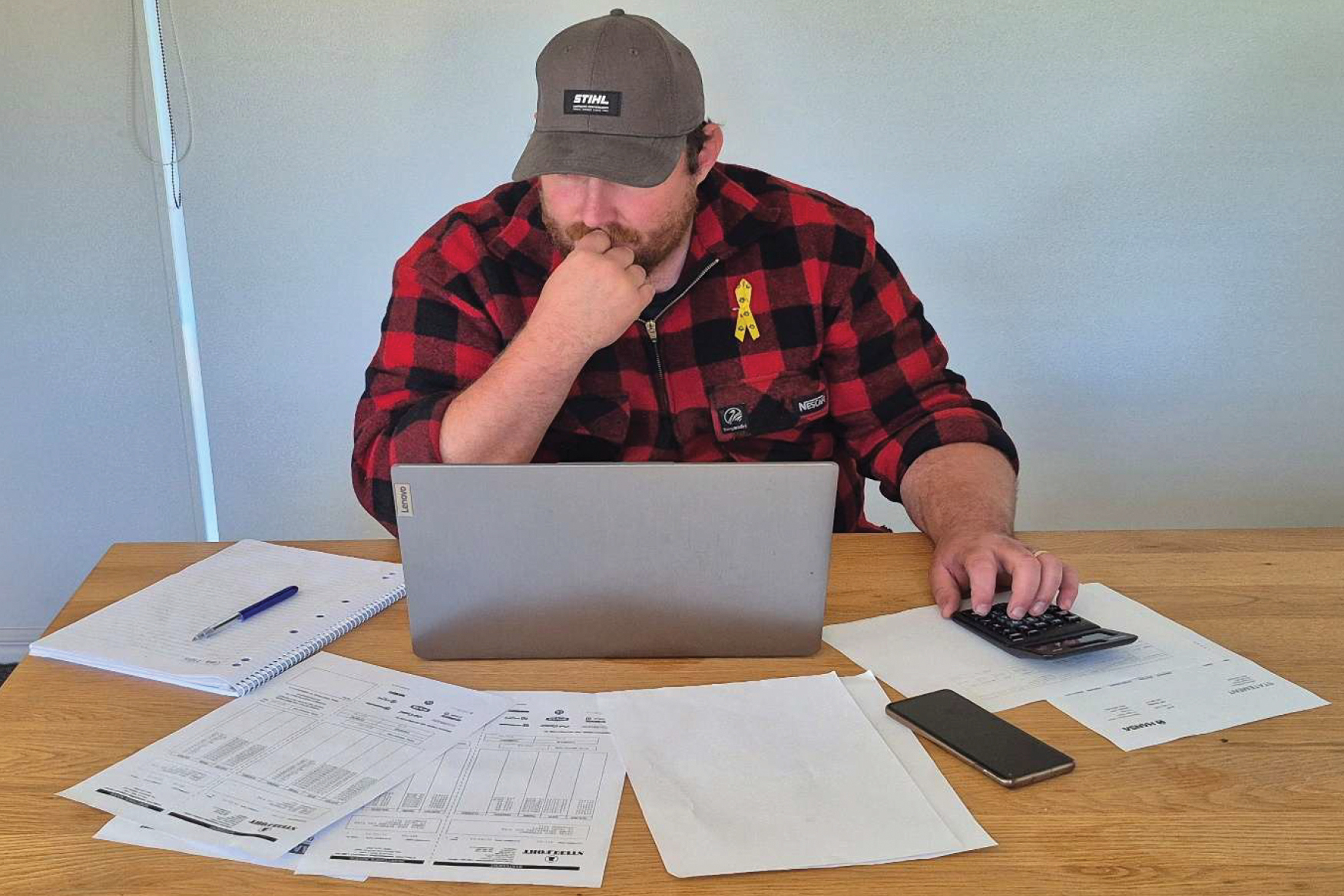
Given this scenario, what then motivates people to enter the dairy industry. To better understand this question, in July 2006 I conducted an independent survey of employees in the dairy industry to establish their current career expectations. How far do they expect to go, and what will keep them motivated? Is farm ownership still their ultimate goal?
The survey indicated that for 44.7% of respondents, 100% farm ownership was still their ultimate goal. This result is also supported by a Dexcell Agreaserch joint survey also completed during the year where “the overwhelming message is that people want to own their own land” (Speight, 2006 pg 132)
So this raises a dilemma for the dairy industry. Those leading the industry and those working within it have different perceptions of what is achievable. Can the industry hope to attract and retain staff when there are differing expectations?
The industry has to work to support people to succeed long term. It must ensure that all employees have a career path so that they can realize their absolute potential.
To achieve this I believe:
- At an early stage in the careers of the dairy employees, AgITO and Dexcel should have a joint initiative, re-iterating to these new entrants, the opportunities available to them within the industry and possible career path options.
- Once goals are established, a career path should be designed for each participant. Again, this could be an AgITOlDexcel initiative. I do not consider that employees are skilled enough in this area to complete this task themselves. All steps on the career path must be recognised as a successful end point to those who aspire to that level.
- As an integral part of this exercise, a brief should be included on where to get help when they feel things aren’t going to plan. This is especially important when they are unhappy with their current work situation/conditions. The industry can’t afford to lose people after one bad experience
For those people who indicate that farm ownership is their ultimate goal, there should be advice and coaching on the reality of what building equity will involve. This should happen in the early stages of a person’s career path. The benefits would be two-fold:
- It will sort out the dreamers – those who are not prepared to make the sacrifices required. These people must then be advised on what is more likely to be their ultimate career path, in such a way that they are still motivated to stay within the dairy industry.
- For those who are determined to own a farm, it may help “kick start” their equity-building planning earlier.
Again this exercise should be industry driven, by training organisations. Let’s get dairy employees on the “right track” early.
The majority of staff employed on dairy farms fall into what modern social scientists label Generation X and Generation Y. These generations have been identified as having significant social and behavioural differences to generations going before them. In these days of a tight labour market, the dairy industry employers must recognise that they need to change to accommodate the needs and expectations of these generations, as these people will stand firm for these needs and what they perceive as their rights. Most Generation X and Y “work to live” while their 50-55 year old farm owner employers “live to work”. Therein lies an area of potential conflict and a threat to the sustainability of the dairy industry.
I also believe that absentee farm owners of the many larger farms ie 1500+ cows, do not fully appreciate the effect on the human psyche and body of the long hours that are required to run these operations.
In order to “bridge the gap” between the expectations and perceptions of working conditions, I suggest:
- Employer’s attitude must change from “what is the minimum number of staff I can employ to run this business” to “how many employees do I need to make this work for everyone”. Employers will be required to examine their working conditions. Working hours, the length of milkings, staff numbers, work rosters, remuneration levels and the overall perception of where an employee fits into the “big picture” will all to come under the microscope. In the past, farming traditionalists have claimed that staff must accept it’s a 7 day a week industry. But now employers must be prepared to compromise. Weekends off are especially important for the younger staff members. Casual staff could be employed to cover some weekends. Offering school students a casual weekend job, with a good rate of pay, could have the dual benefit of keeping existing staff happy and introducing new entrants into the industry.
- Employers must offer positions which offer challenge and encourage initiative. Productionline type jobs will only attract production-line type people. This will involve, amongst other things, the introduction of more automation in the dairies. Automation will not only reduce some of the more tedious chores now required to be carried out manually but will also take away the human-error element in other areas where greater accuracy would produce superior results
The question must also be asked “What is the Optimum sized Business to make dairying sociably sustainable”?
Changes are required in the dairy industry, otherwise, who will be milking the cows in 2016?
Jennifer McDonald