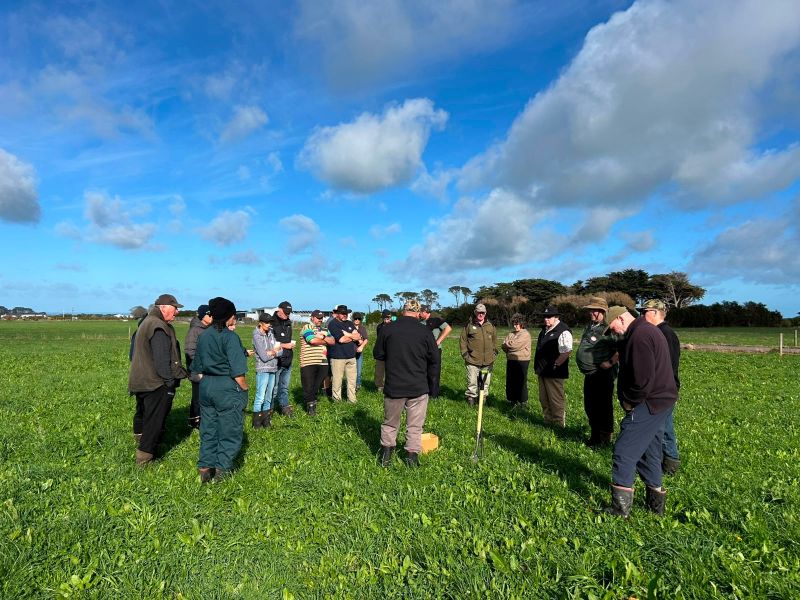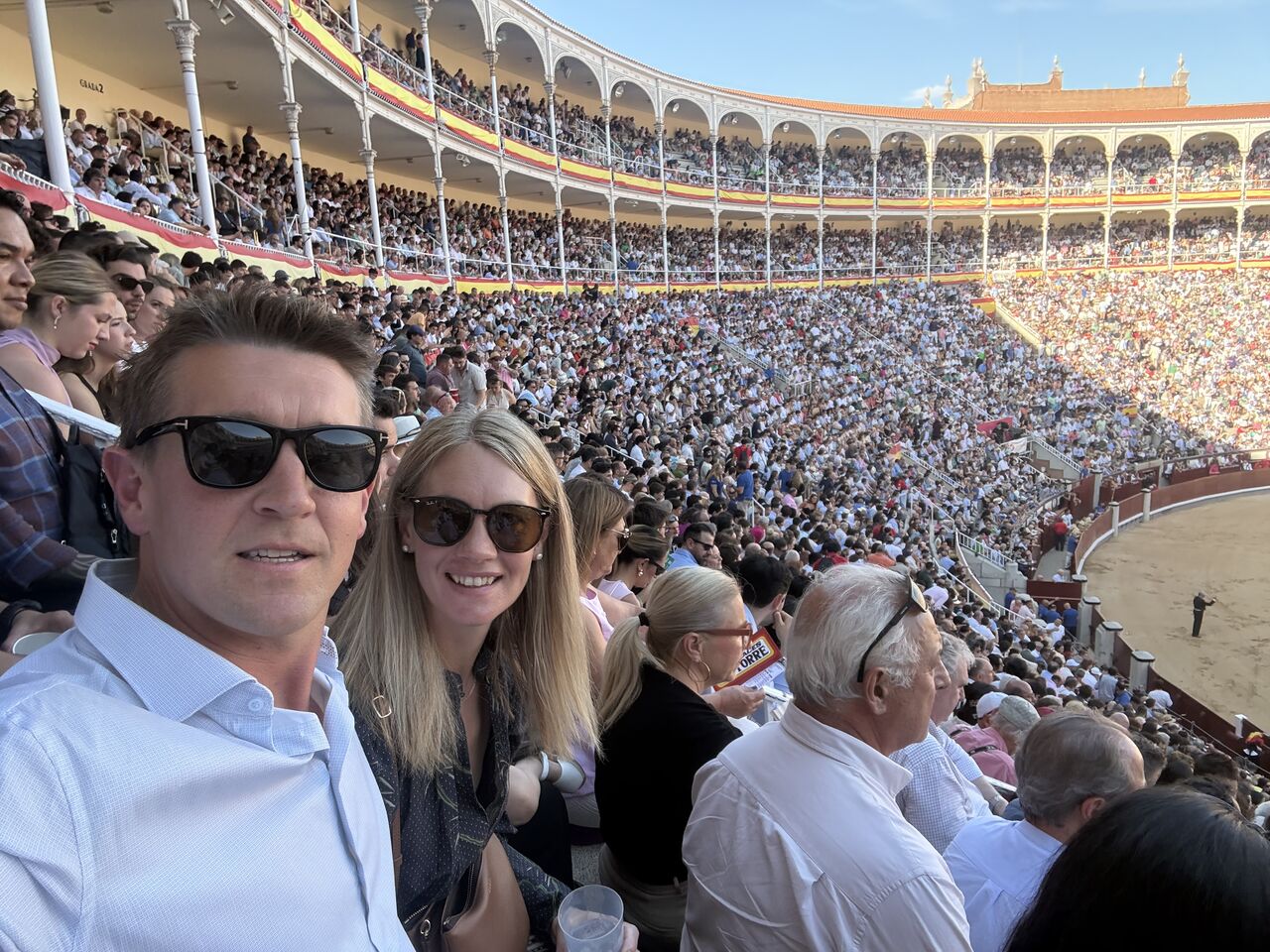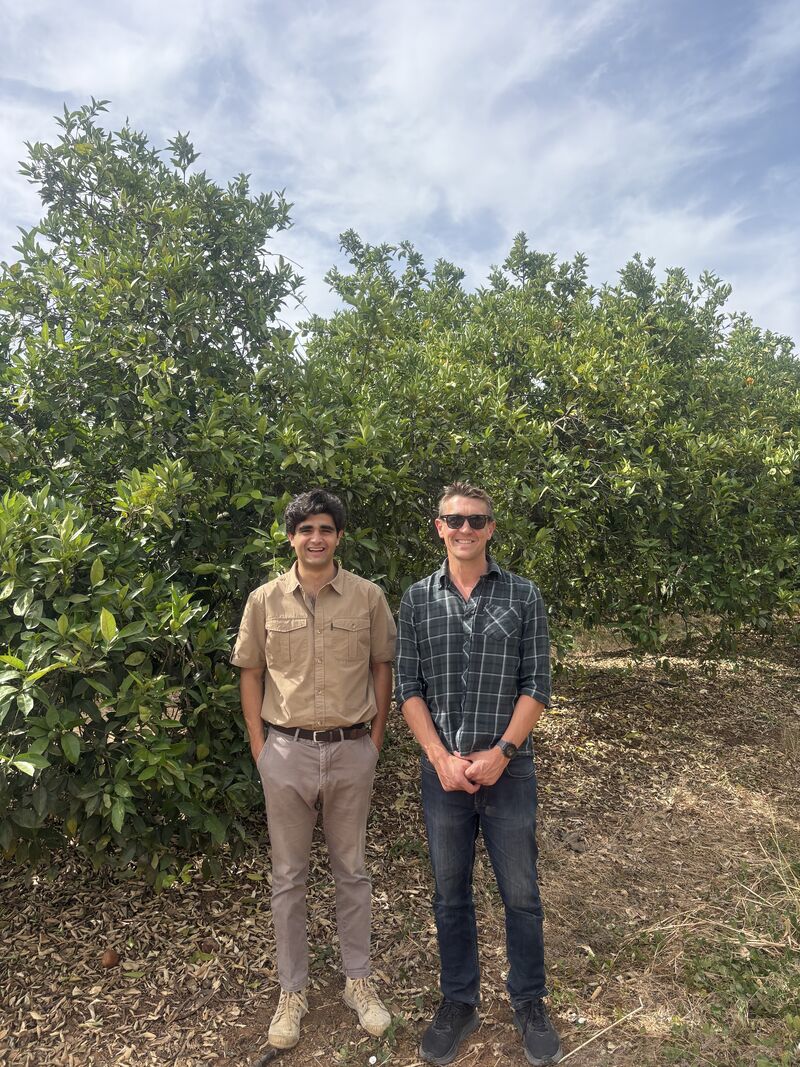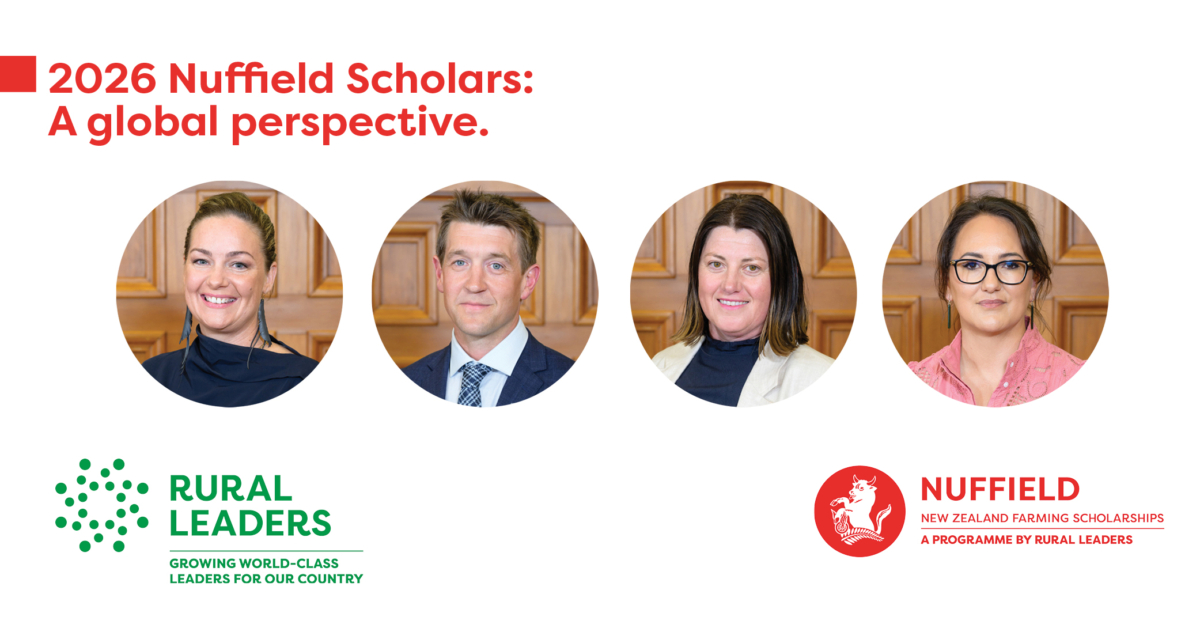
Our four 2026 Nuffield New Zealand Farming Scholars are gaining first-hand insights into the future of global food and fibre systems as they travel through Europe, Asia and Africa as part of the Nuffield Global Focus Programme (GFP) and their independent study tours.
For Jared Clarke, Clare Bradley, Kelly Heckler and Tracey Perkins, the journey has been far more than a study tour. It has challenged assumptions, expanded global networks and exposed them to the opportunities and pressures shaping agriculture worldwide.
Seeing agriculture through a global lens.
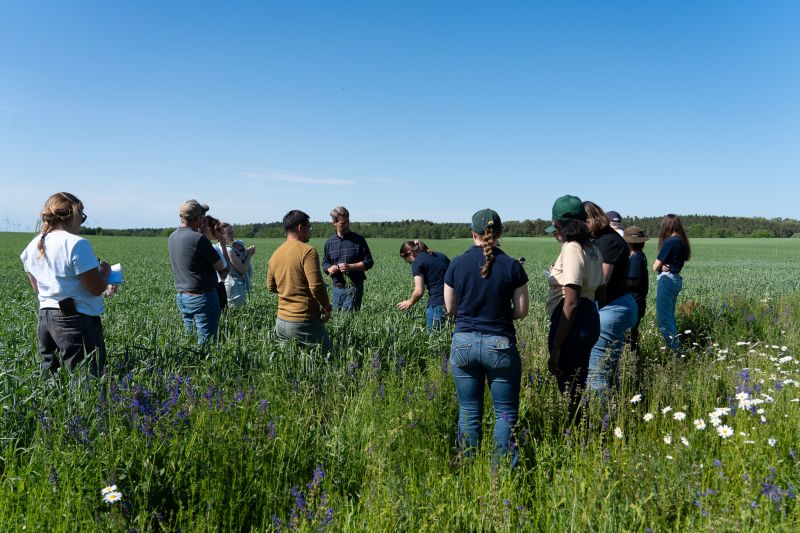
Although each scholar is following a different research pathway, several common themes are emerging.
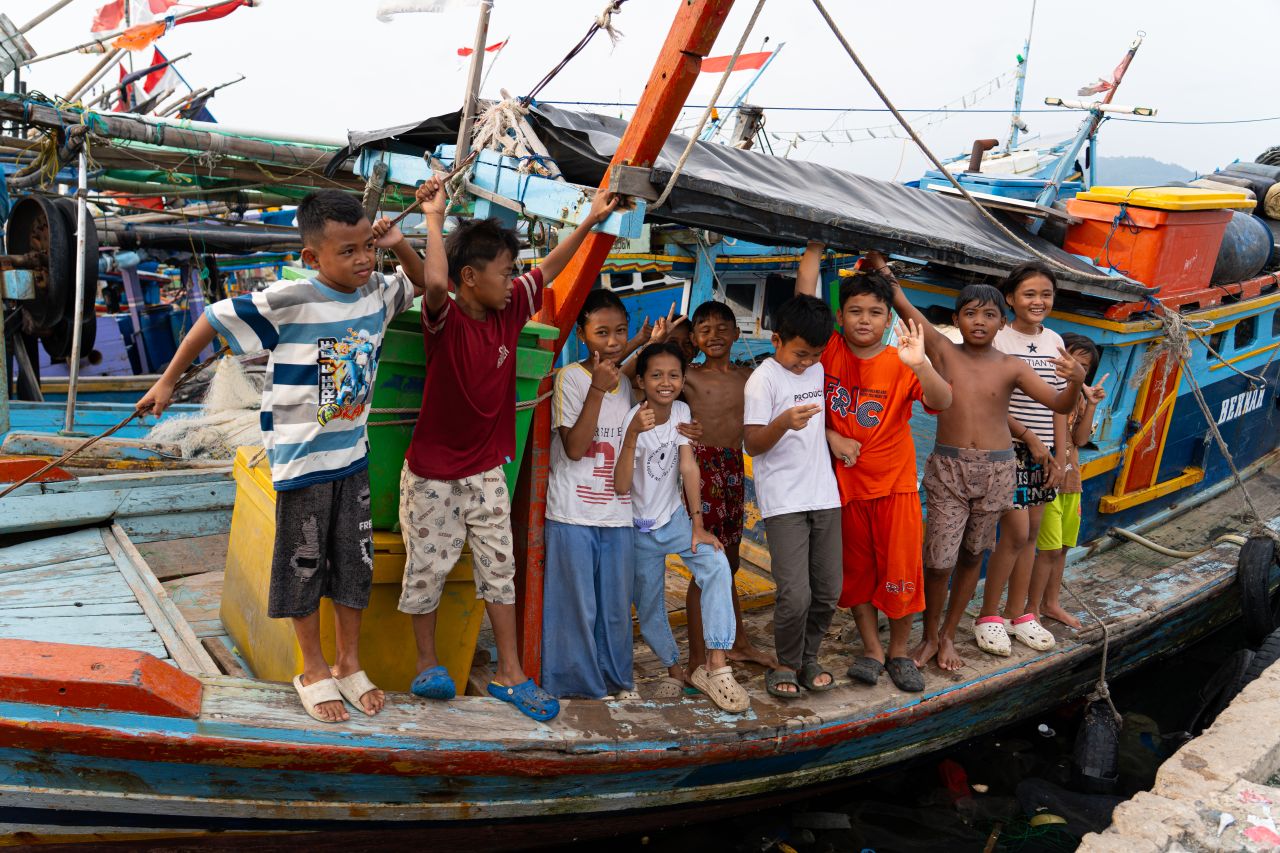
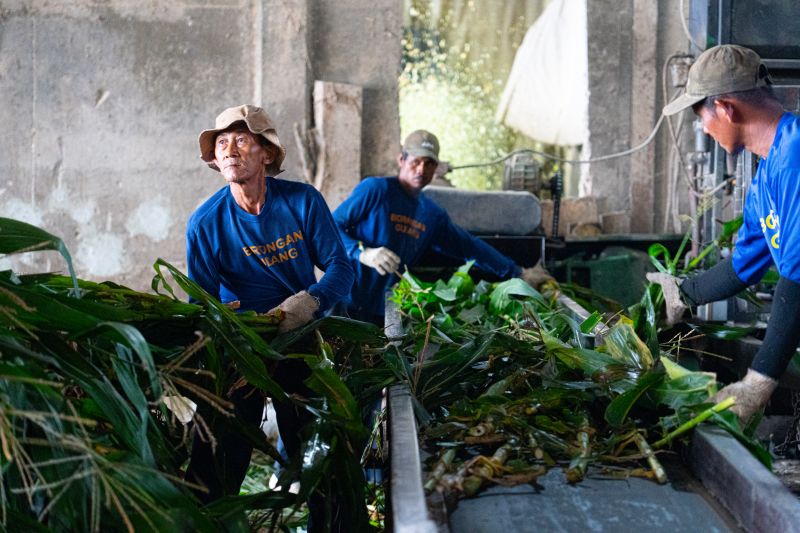
In Indonesia, Kelly Heckler and Tracey Perkins reflected on the importance of understanding the people behind agricultural systems. Rather than viewing countries simply as export markets, they described gaining a deeper appreciation of the cultures and communities that shape food production.
Kelly was struck by an intensive food system focused on feeding a large population, where efficiency and minimising waste are essential. Tracey too, observed that understanding people is as important as understanding production systems.
Innovation driving change.
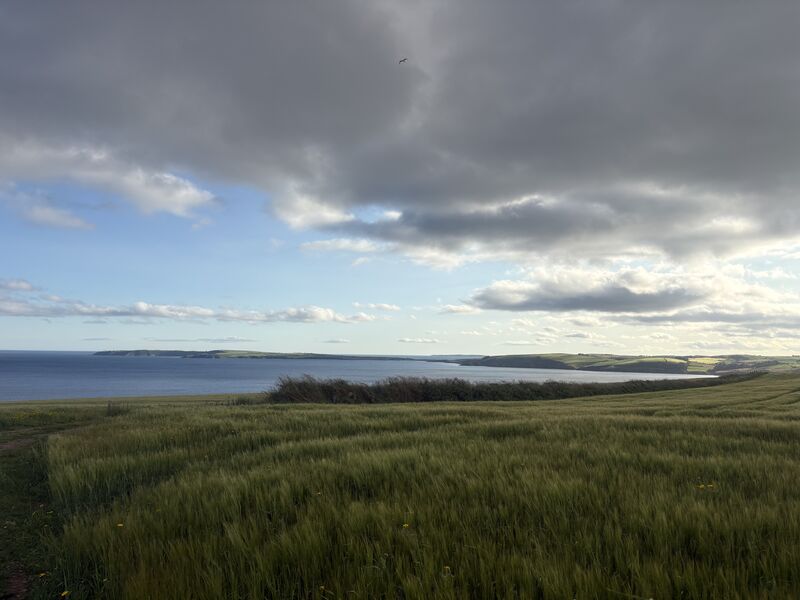
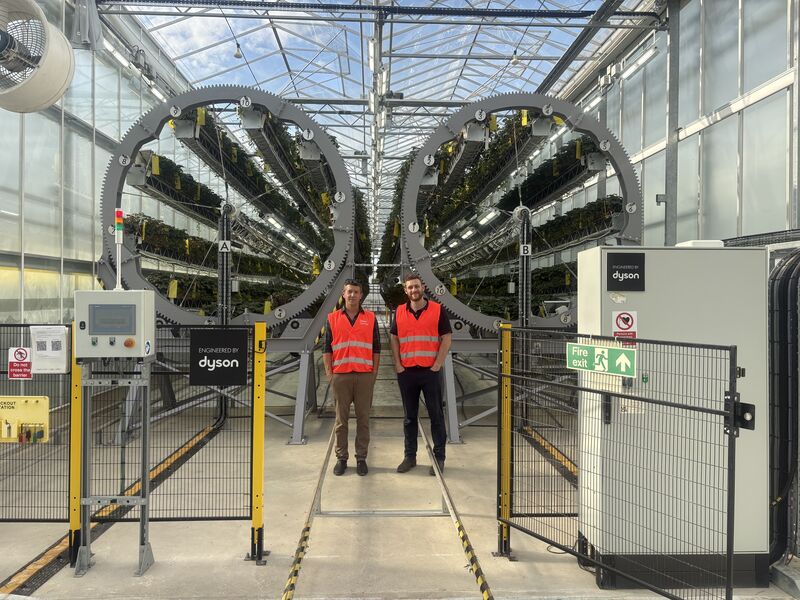
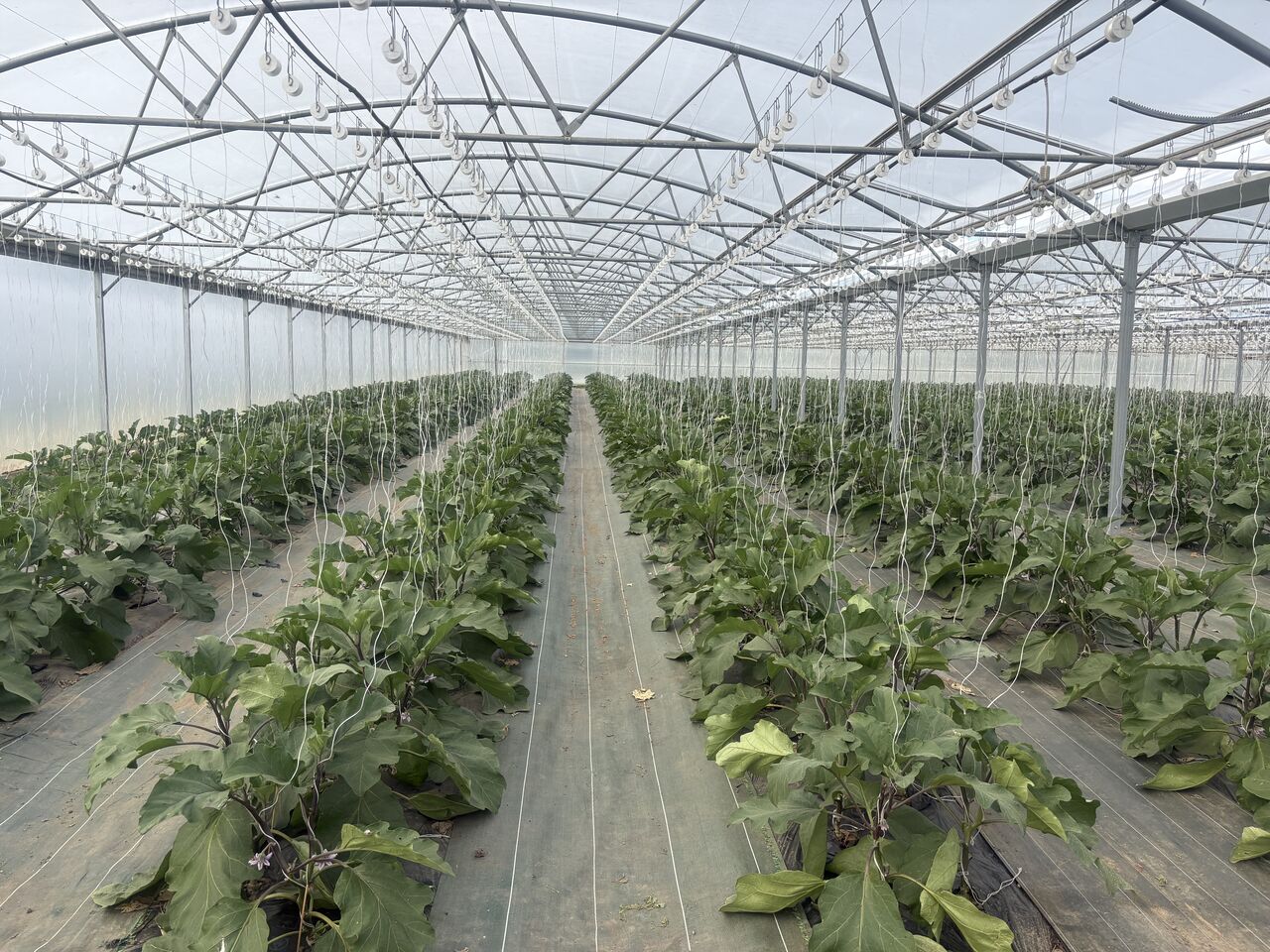
Innovation has been a consistent theme throughout the tours. Jared Clarke’s independent travel has focused on energy and technology. Across Ireland, Scotland, England, Wales, Spain and France he explored renewable energy systems, hydrogen projects, anaerobic digestion, large-scale horticulture and highly automated farming businesses.
His visits demonstrated both the rapid pace of technological change and the influence of government policy on investment decisions. Declining solar costs, advances in automation and increasing energy independence are reshaping many farming businesses.
Germany offered similar lessons for Tracey Perkins, who visited regenerative forestry operations, research farms, machinery manufacturers, biofuel facilities and globally recognised food companies. She described the diversity of innovation as a reminder of what is possible when businesses continuously adapt and invest.
Jared also highlighted several New Zealand companies developing world-leading hydrogen and electric transport technologies, reinforcing that innovation is equally strong at home.
Different systems, shared challenges.
Travelling through countries with vastly different production systems highlighted that there are many successful ways to farm.
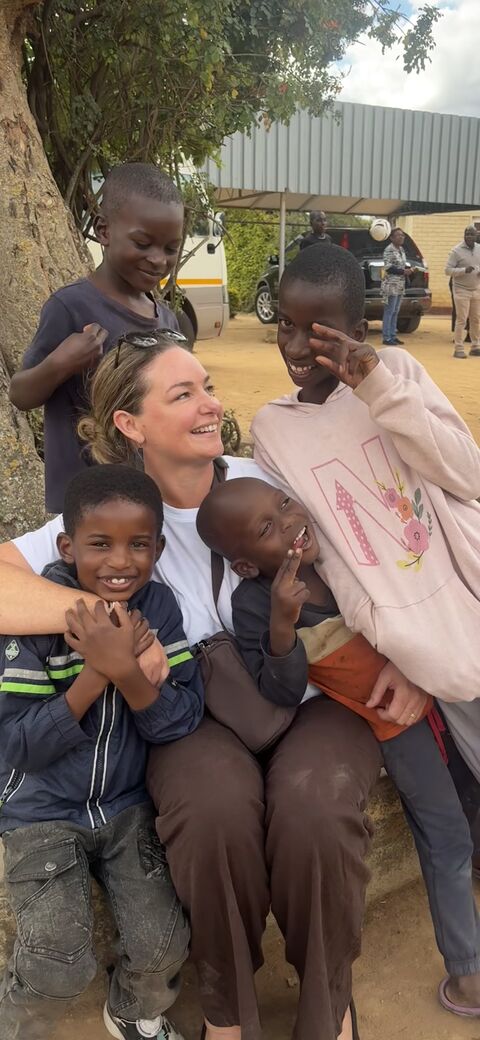
In Zimbabwe, Clare Bradley said the experience challenged many of her assumptions. She was impressed by the collective impact of thousands of smallholder farmers and by innovative, low-capital farming systems designed to improve resilience while working alongside natural ecosystems.
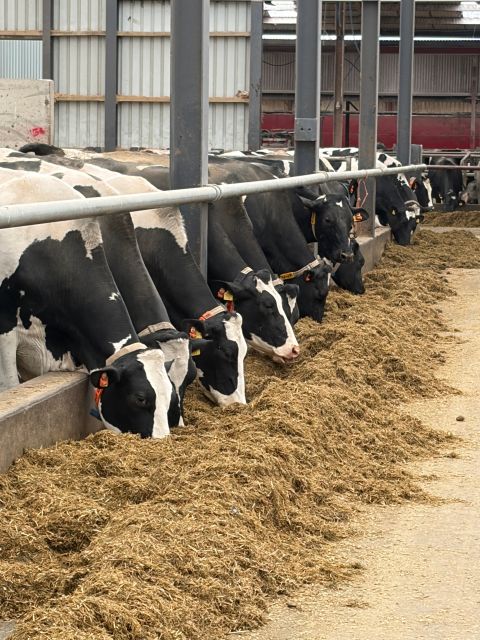
In Ireland, Kelly Heckler explored advances in genetics, methane-reducing forage research and practical use of farm data. She also reflected on Ireland’s confidence as a premium food-exporting nation, suggesting there are valuable lessons for New Zealand.
Beyond the farm gate.
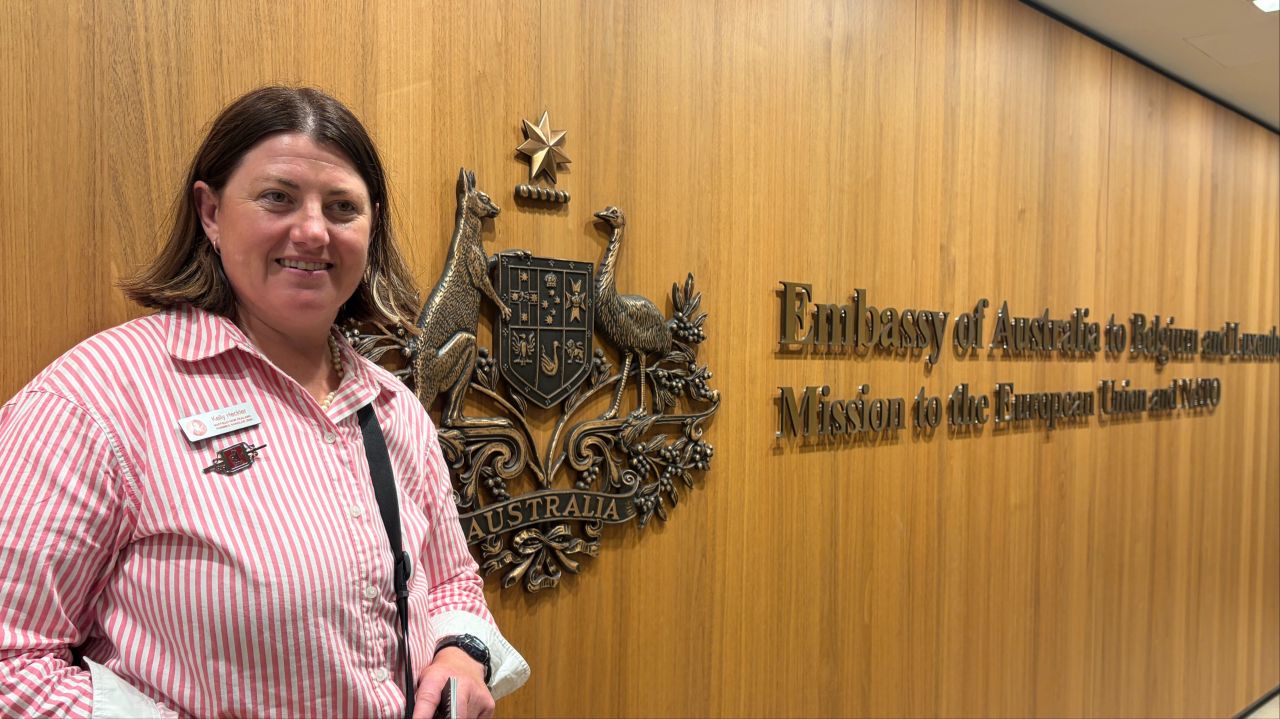
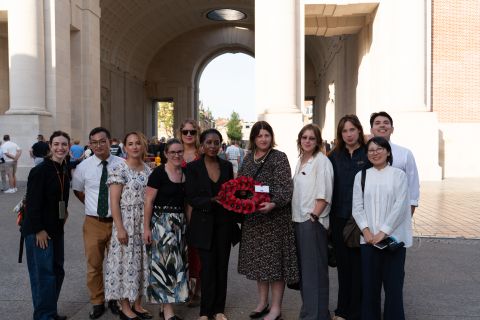
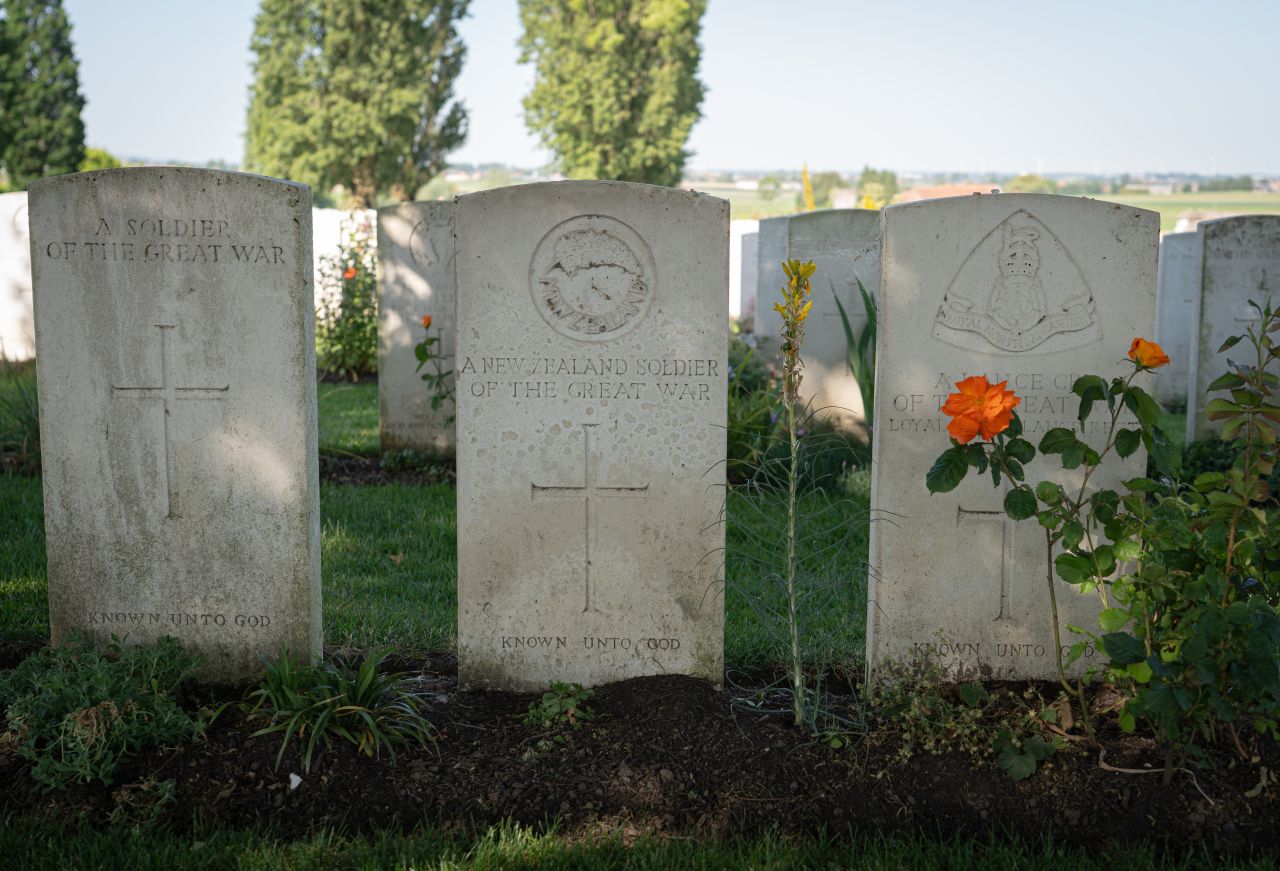
Across Belgium, Ireland and the United Kingdom, discussions regularly extended beyond farming itself.
Meetings with agricultural organisations, universities and policy leaders examined trade, gene editing, environmental regulation, traceability and the future of food production.
Tracey Perkins described the Nuffield Ireland Triennial and AgriSummit as valuable opportunities to explore agriculture through the lens of geopolitics and changing global economics.
Kelly Heckler also noted warnings from international leaders about emerging global food security pressures, reinforcing the importance of long-term planning and collaboration.
The strength of the Nuffield network.
Throughout their travels, each scholar highlighted the generosity of hosts and the strength of the international Nuffield network.
From family farms and research institutions to agribusinesses and New Zealand embassies, the willingness to openly share ideas and experiences continues to be one of the programme’s defining strengths.
Emerging insights.
While each scholar is pursuing a different research topic, several themes are already becoming clear:
- Innovation is accelerating, with technology transforming agriculture across energy, genetics, automation and food production.
- Local context matters, with successful farming systems reflecting each country’s unique climate, culture and policy settings.
- Resilience is built through diversity, with flexible businesses and healthy ecosystems better equipped to manage future challenges.
- Global policy increasingly influences local farming, shaping competitiveness through trade, regulation and environmental standards.
- Strong relationships remain agriculture’s greatest asset, with knowledge sharing and international collaboration driving better outcomes.
The four 2026 scholars have been on their GFP’s at different times, but here is the latest update:
Tracey – Has just visited France, Italy and Belgium and is on a plane 17 July to Ireland. Then home until October before heading to Italy.
Kelly – Currently back in NZ. Heads away again in September and back home early November. Away again in November.
Jared – Back in NZ as of 16 July after being in the US for the last ten days.
Clare – Currently in Queensland, but back in NZ 17 July.