
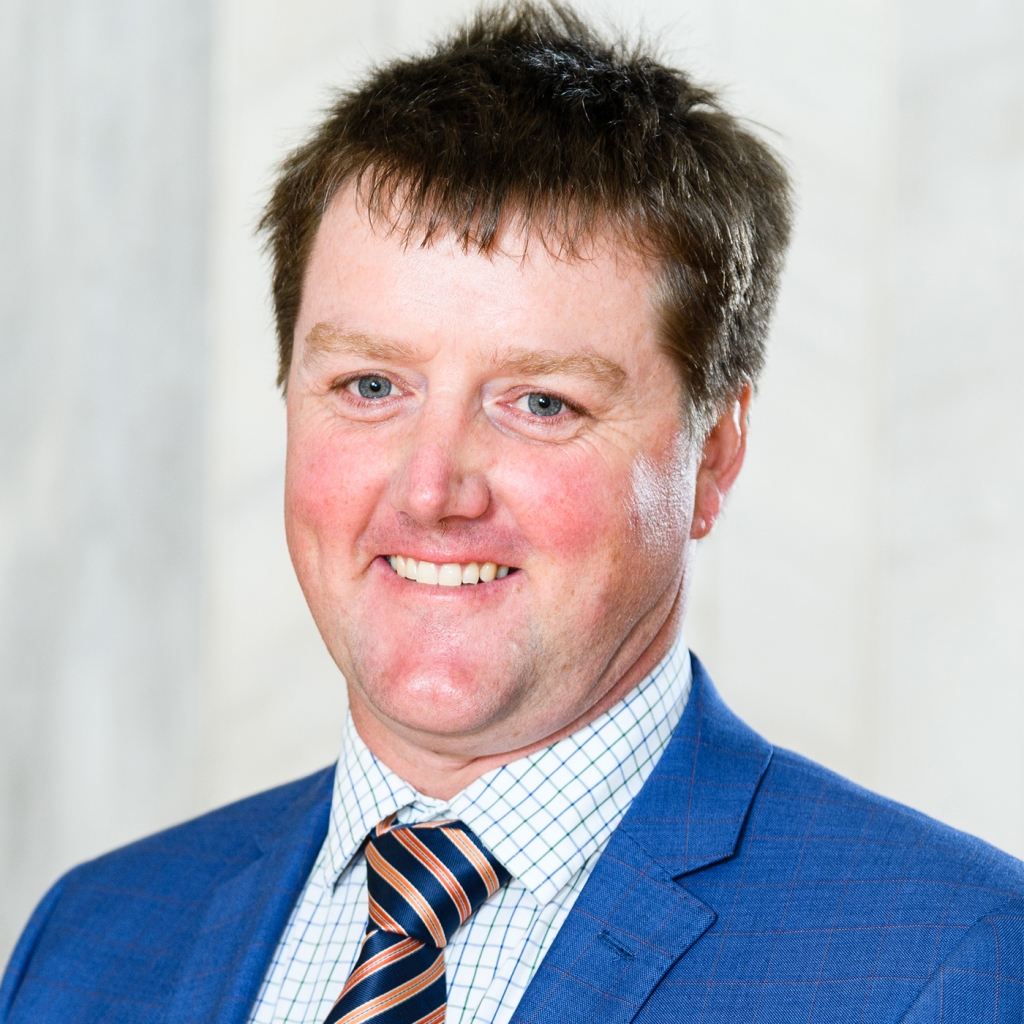
Edward Pinckney owns Jericho Station, a 1400ha sheep, beef and grazing property near Manapouri, and Waipango Dairy near Riverton, where 700 cows are milked by a contract milker. He trained at Telford, at Walford College in England on an exchange scholarship, and at Lincoln, then shepherded his way around South Island high country properties and worked as a stock manager at Raincliff Station. In 2008 he leased Morley Creek near Ohai from his parents, 1100ha carrying 6000 stock units, bought neighbouring land, bought the property itself in 2012 and built it to 15,000 stock units, then sold it off in four parts between 2014 and 2017 to fund the other two. Getting Jericho took almost two years: he was initially outbid by an overseas buyer and campaigned publicly, through politicians and the Overseas Investment Office, to reverse it.
Ed applied to Nuffield in 2019 wanting to look at people. Farming businesses were struggling to find good staff, and he wanted to know where the system was failing them, whether at school age, in employment law, in government funding, or with employers themselves.
Covid ended the cohort’s conference near Brisbane after two days and the planned travel never happened. Touring New Zealand instead, he watched the same shock land on different operations and produce opposite results: some treated it as grounds for innovation, others fell into disarray resisting it. The variable was not the change. His report, published in March 2022, works through how people actually process imposed change, drawing on Kübler-Ross and Rogers, and argues two things. Regulators should take social science advice before implementing rather than after, and farmers should budget for their own learning the way they budget for any other input.