2026 Nuffield NZ Farming Scholarship. Apply by 17 August 2025. Read More...

Apply for 2026 Nuffield NZ Farming Scholarship by 17 August 2025. More details...

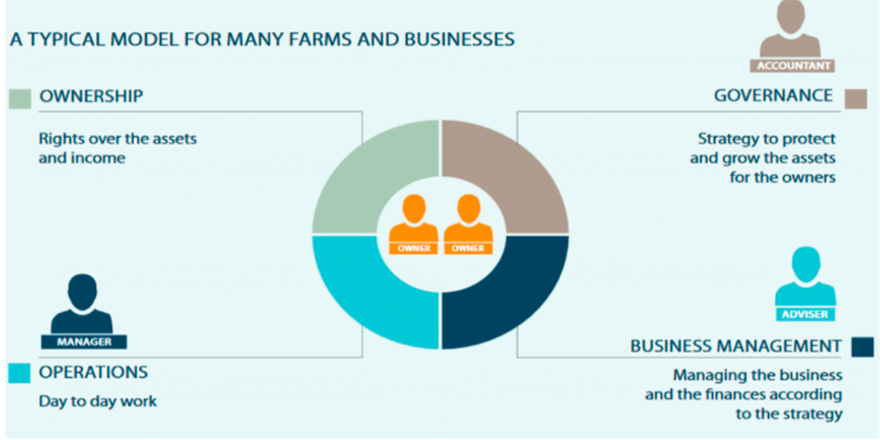
Farming in the family with positive succession planning and governance.

Executive Summary

The fundamental drive behind completing this research is to identify various key procedures and initiatives that successful New Zealand family businesses instrument to ensure their achievements and wealth are passed down through the generations successfully. I was also concerned in clearly recognizing some of the common issues which arise in family succession strategies and methods in which these matters may be avoided.

This project will benefit the rural community to hopefully provide an insight into farming families to think about the big picture and long-term viability of their business. I want the project to benefit farming families and professional advisors by also providing some context around governance and effective structures which have been planned. I hope the rural industry will relate to this report and understand that all families are different and not one plan will work for everyone. I want this report to provide guidance around communication and when and how to remove the elephant in the room, leading to successful conversations and positive outcome for all parties involved.

Succession planning is the progress of a strategy that ensures transition of the family farm, from one generation to another with minimal disruption. Succession planning can often be a living document to safeguard all family relationships and future ownership of assets, aspirations and involvement in the farm. Rushed or poorly planned and implemented succession strategies can have major impacts on family relationships along with extreme financial implications on the business.

What I relished most about putting this research paper together and gathering the required data was the chance to spend time with farming families who had extremely successful industry knowledge; and sit around the kitchen table with them and speak openly about their own businesses and experiences. They each happily shared with me the issues and barriers they had challenged along the way, and what they had learnt along the way from any mistakes. These people have been there and done it and could share their real stories with passion; their experiences and knowledge in my opinion, is considerably more valued than any other material source obtainable. I enjoyed this part of my research to be extremely exciting, and it reiterated to me how much I enjoy the Agriculture industry and what a joy it is to be involved in.

From gathering my data for this literature report I have made three recommendations for effective and successful farm succession of the family farm.

  1. Start early with conversations to avoid any assumptions or expectations which members of the family may have. These discussions should start at an early age, as young people’s interests do change, along with abilities and skill set. A poorly executed plan and approach can often be put together at short notice with damaging effects to family relationships.
  2. Open communication to stimulate a range of sophisticated thinking throughout the farm succession process will help to get an enhanced understanding of all family members’ idea and vision for the family farm. In my opinion both farming and non-farming family and spouses should be involved in this communication. It is also essential to seek independent advice from a succession facilitator, and have other trusted advisors involved including Bank Manager, Accountant, Lawyer, and Farm consultant.
  3. Document everything with a completed business plan which is handed to all family members. Consider including minutes from meetings, farm succession strategy including timeframes, roles and responsibilities, goals, and updated wills.
Preventing pinkeye in young cattle.

Executive Summary

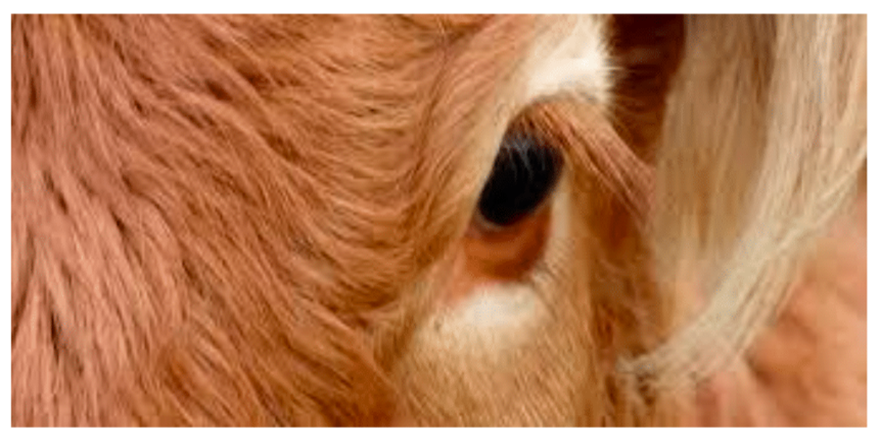
Infectious Bovine Keratoconjunctivitis (IBK) commonly known as Pinkeye in cattle is a long established animal health problem in New Zealand. Pinkeye is a painful and debilitating condition that can severely affect animal productivity. It is a bacterial infection of the eye that causes inflammation and in severe cases temporary or permanent blindness. Most cattle producers will be familiar with pinkeye but may not know how to best treat it and minimise its spread within the herd.

The economic impact of the disease is significant due to it being highly contagious. Pinkeye can affect up to 85% of a mob, the disease is painful because the eye becomes sensitive to UV light. Affected weaner calves losing up to 10% of their body weight. In rare cases when both eyes are affected cattle may die from starvation, thirst and accidents. The cost and time used treating infected cattle adds to the economic losses.

Managing an intensive large scale calf rearing farm in the Waikato, Pinkeye can be a challenge for the farm. Two of the three years the farm has vaccinated against the disease and one year we didn’t vaccinate at all. In the year we didn’t vaccinate against the disease there didn’t appear to be any more infected calves than previous years. I wanted to know why?

Piliguard is the only commercial vaccine available in New Zealand. It covers three strains of Moraxella bovis bacteria. This is where the science community is in debate over the number of Moraxella’s that exist. 38 strains of Moraxella have been identified by restriction endonuclease DNA analysis ‘BRENDA’ (R.B Marshall, P.J. Winter, B.S. Cooper, A.J. Robinson.1985) Other literature states there are only 7 strains that exist in New Zealand. What isn’t in debate is the only vaccine available does not provide full immunity. Most would conclude that at best it covers half of them.

The use of antibiotics to treat infected animals is common practice. With a worldwide shift to reduce antibiotic use in the food chain and antibiotic resistance increasing, trying to find an alternative to injecting antibiotics is important.

It is a widely held belief by Organic American dairy farmers that supplementing kelp into the diet of cattle reduces the susceptibility to pinkeye due to increased Iodine levels in the tears. It was very difficult to find scientific evidence to support this argument. One study that took place last year at the University of Minnesota stated nothing was known about the Iodine concentration in tears and the conclusion was that cattle fed kelp (Ascophyllum nodosum) for 30 days and no effect on Moraxella bovis (M.bovis) bacteria, the main agent that causes pinkeye.

Five key findings are:

  1. Vitamin A. I believe all farmers should supplement young animals with vitamin A from a young age. Very few currently do this. It appears calves not reared by cows are naturally deficient in vitamin A. It is thought that nutritional deficiencies specifically vitamin A, Selenium and Copper may contribute to Pinkeye. If any vitamin or mineral can be singled out and ranked, vitamin A is the most important. Vitamin A is important in the fight against disease it is extremely important in for vision and protection of the eyes. The immune function against viral, bacterial and parasitic infections. Virtually all immune cells are effected by vitamin A. This is sometimes referred to as the anti-infection vitamin. The younger the animal the sooner the vitamin deficiency with express itself. Young calves have lower body stores of vitamin A. Hot weather, disease, parasites and other stressors are believed to decrease the efficiency with which vitamin A is utilised.
  2. Stress and the environment; this is a major contributor to Pinkeye. Dusty yards, heat, flies, thistles, large mobs of animals, lack of shading are all examples of environmental factors that can increase the onset of pinkeye. A good preventative plan should be mindful of these factors. Any stress weakens the immune system. In times of stress animals use up valuable vitamin and mineral reserves which reduce the efficacy of the immune system.
  3. Kelp. The main question which drove this report was whether supplementation of kelp could improve the incidence of Pinkeye in calves. Although this is anecdotal I believe supplementing calves’ diet with kelp which has over 60 vitamins and minerals would assist greatly in helping to replace valuable vitamins and minerals lost in stressful periods. Because kelp is a plant, it is in a highly absorbable and available form for cattle.
  4. There is very little research on Pinkeye in New Zealand. Too little diagnostic testing is done in regards to Pinkeye. Gribbles Veterinary Laboratory who I spoke with said they would get less than ten eye swabs sent to them a year. There are nearly 10 million cattle in NZ, and veterinarians surveyed nationwide said about 10% of cattle develop the disease a year depending on the season. That means approximately that 1 million cattle contract the disease a year and veterinarians are sending in less than ten eye swabs a year. This simply isn’t good enough. Until now differentiating between types of Moraxella has never been possible. This is about to change with a new qPCR machine which will enable the science community to learn exactly what bacteria’s we are dealing with. And hopefully to develop a vaccine to cover all the strains.
  5. Antibiotics. These are the only real tool we have in treating the disease. If the current antibiotics we are using to treat Pinkeye have a reduction in efficacy we will be facing a severe animal health challenge, which could possibly be avoided by further widespread diagnostic testing going forward.

Food trends in the sheep and beef sector.

Executive Summary

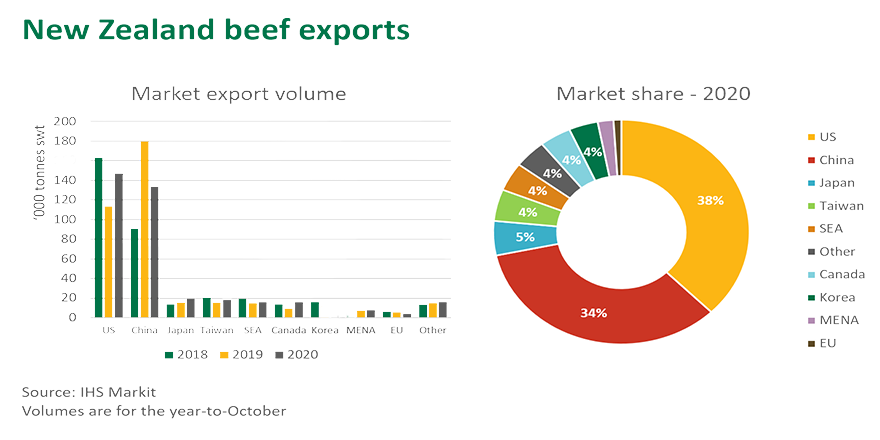
With a national sheep flock that has halved in size over the past 25 years, yet maintained output the Sheep and Beef sector is bursting with innovators and top producers, full of passion and enthusiasm to improve profitability. A cornerstone that drives the profitability beyond the farm gate is the consumer’s decisions on what, when, how they want to eat, and the quantity of consumers in these markets. The world population is growing, expected to be at 9.7 billion by 2050, how can we as an exporting nation capture this growth and turn it into revenue. Developing nations continue to grow their consumption, expected to increase 107mmt by 2020, whilst developed countries will grow by 19mmt in the same period. Population growth, urbanization, infrastructure development and shifting incomes could all lead to a genuine livestock revolution. This growth will not come without pressures and expectations on environmental and animal welfare fronts, with one hectare feeding 22 people with potatoes, contrastingly only 1 and 2 people for beef and lamb respectively.

Global sheep flocks have declined by 5.3% from 1990 to 20 13, a hybrid model of “ New Market Orientation ” , “ Shrink-To-Fit ” and “ The Knowledge Industry ” are needed to shape the future of the industry.

The opportunity is to be the farmers market of the world, the world artesian butchery, the corner retailer for the rest of the world. It’s how we pitch our image, our reputation and market it in savvy modern ways which will dictate the success of our future. The market changes and evolves, sheep farming was historically based on wool production, with no one thinking about synthetic carpets. Evolution of meat markets have seen the size of product decrease from a traditional leg roast, to a ready to eat or snackable meal. These measurable changes alongside emotive purchasing decisions, such as environmental sustainability and animal welfare which have had CAG of 72% and 42% respectively. We must pay special consideration to these attributes in our marketing package, but more importantly these have got to be driven from a farm level, and farmers must walk the talk and be proud of what they are improving, rather than see it as a compliance protocol.

We must be engaged in extracting the value of products we are selling through engaging with consumers. Ian Proudfoot quotes that industry exports worth $37 billion, are worth $.25 trillion at the consumer’s level. For every dollar collected here in New Zealand, there are six or seven dollars added by the time it reaches the consumer. The selling market will change, and be segregated by the big industrial players (e.g. JBS) and the niche high value operators, we can’t afford to be lost in the middle.

We must be prepared for a livestock revolution, have data and information on our stock to be able to use that data, to create a quantum shift in quality of products sold. We are on the verge of a quantum shift in livestock consumption and production. Our prerequisite is to embrace the opportunity to tell the story of our production cycle, where it’s from and what it is. We have a great story, we must be happy, upbeat and proud of what we are doing, sharing with New Zealand what we do, so a sales team of 4.5 million New Zealanders can sell to the world. The red meat sector needs to get savvy and upmarket, exit the dinosaurs currently employed and employ a fresh team of city born, innovative young millennials to drive this message. They are the face of what our future consumers, let them sell it to their peers. It’s imperative to learn from the past to prepare for the future, it’s a new way of doing business, don’t be frightened by change, but be excited by the challenge.

Learning from other organisations: What can DairyNZ do better.

Executive Summary

This project aims to assess what DairyNZ can do to improve the way it learns from other organisations.

Thirteen interviews were carried out, seven with people from DairyNZ and six from organisations related to the kiwifruit industry (HortNZ, KVH, NZKGI, Zespri). The interviews were transcribed and then analysed. The key findings below are supported by the literature.

All those interviewed believe there are gains to be had through improving the way their organisation learns from others. The key benefit would be better and smarter solutions with lower risk and cost.

Five factors are outlined as having significant impacts on an organisation’s ability to learn better from other organisations. These are leadership, organisational culture, empowerment of personnel, process, and reward. These were needed in all organisations regardless of size; however in the smaller organisations some of these factors may be addressed in a less formal manner.

Currently there are many barriers that restrict learning from other organisations. To address these requires a change in the learning culture within the organisation, personnel empowerment through delegated authority and time, and leadership to bring about these changes. Other factors including establishing a clear and transparent process and rewards were also noted as barriers but were not as significant as the previous three. Addressing these barriers requires concerted focus and willpower from the leadership of the organisation. It is acknowledged that all five aspects are interlinked and as one changes this will impact the others, so an integrated approach is needed for the change to occur.
For DairyNZ to achieve better and smarter results for farmers, they need to learn more effectively from other organisations. This can be said for any organisation that wishes for the same outcomes. The results of this project are not limited to DairyNZ, being relevant to any organisation wishing to achieve better and smarter results.

Cultivation ideas, valuing the chain leveraging the investment.

Executive Summary

The future of the New Zealand Primary industries will rely on its ability to remain agile in the face of ever increasing change.

Equally for success to be realised there is a call for the industry to know; where its current position is (and launch from this); how it lifts the level of innovation; increases ambidexterity across the value network, and insures the right level of investment is happening to enable long term gains.
 
The question this proposal sets out to answer is: How could the New Zealand Primary industries become more adaptive to disruptive change through Investing in Innovation?
 
Through a series of case studies (Sanford, Synlait, Mr. Apple and Comvita), and interviews with ‘key players’ that have connections to investment in innovation, it is clear to see that the traditional ‘no.8 wire’ approach will not be enough to leverage the sort of innovation needed.
 
Using technology to gain zero distance to our customers will enable the creation of more mindful products that will come as a result of having more compelled consumers. Our value network will have to foster integration across both axes (vertical and horizontal) to enable the experience and benefits impactful alignment will bring. Underpinning this will be some fundamental shifts in the way I3 is backed, be it private internally/externally or publicly sourced finance.
 
Eight key recommendations across four key areas have been derived as a result of the findings of this proposal, with the aim trying to determine what an I3 life cycle could involve.

Farm business strategic planning: A sheep and beef perspective

Executive summary

Farming livestock in New Zealand is becoming increasingly exposed to global and national economic, social, environmental and regulatory trends. Going forward there is increasing pressure from the public and consumers to preserve or ideally improve soil health, water quality and biodiversity, while ensuring that the food we produce is safe and nutritious, animals are treated ethically, and we are reducing their greenhouse gas emissions. Pressure is building towards significant change from the current situation. Sheep and beef farming is not immune to this pressure. 

What will sheep and beef farming look like in 2050; what are the challenges and opportunities farm businesses and communities will face between then and now?

As a farming business, we need to look at where our farming operation is now and make some decisions about where we would like it to be in the future. We need to lift our level of awareness and contemplate how our farm might operate – what it might produce – we need a whole farm business strategy.

There needs to be a definitive “picture” and agreement of how the business owners view success. We then need look at how we best optimise the resources – land, people, animals and infrastructure to achieve that success.

Having a clearly defined business strategy acts like a road map in times of challenge and is an important tool for any business to navigate their way.

This research sets out to define what is strategy, it looks at a snapshot of how strategy or long-term planning is performed in sheep and beef farming businesses today. It makes suggestions as to the key components of strategic planning and proposes a basic template for businesses considering their long-term future.

The motivation to undertake this research assumes that better awareness of the future, and planning for the future is a positive action that will better enable individuals, communities and the wider farming industry to respond to change proactively. It will allow us to seize opportunities that may otherwise have been missed and to sense and manage threats in a more timely fashion.

One of the benefits of strategic planning is a shift in mindset away from issue-specific discussions towards more holistic and long-term planning around the future of farming. With increased awareness and longer term thinking I believe that our industry can evolve and thrive under the care of future generations.

Anna Nelson

What is the most profitable way to harvest asparagus in New Zealand.

Executive summary

As a relatively new asparagus grower, in the Waikato region of New Zealand, I am interested in exploring opportunities within this industry. The harvesting costs in an asparagus business are a significant portion of the total expenditure, so any efficiency gains would provide a direct contribution to profitability. 

There are currently several different methods for harvesting asparagus, all of which involve manual picking of the spears. This project looked at which of the current methods was the most profitable for the New Zealand asparagus industry. Variations include paying staff a ‘per hour’ rate, a ‘per kg’ rate, or combinations of both. Picking methods vary from individuals walking along a row in their own time, harvesting into a bin or container carried on their person; to a team of pickers walking behind a tractor with a 20 metre boom, loaded with crates that they place the spears into as they pick.

The highly manual nature of the harvesting raised the question of what automation options have been considered or attempted in the past, as well as what the potential for this may be in the future.

The interviews held with existing asparagus growers provided a wealth of information regarding the picking process, as well as the potential for automation. The lowest cost system currently in use amongst the interviewees involves paying the pickers $0.87/kg through the entire season. The next lowest cost involved paying pickers a ‘per kg’ rate that varied from $0.85/kg at the start of the season, through to $1.20/kg at the end of the season when volumes were lower. The most costly system paid the pickers $18.00/hr, plus a $0.20/kg bonus for all ‘Class One’ graded asparagus. These costs were adjusted to reflect the wastage through the grading process, and therefore provide a more accurate actual cost per kilogram of saleable product. The results then saw the lowest net cost at $1.31/kg.

Although this assessment clearly showed the lowest cost, the determination of their relative profitability from a long term perspective was much more subjective. This was because each business had a number of unique considerations to incorporate into their decision making process around harvesting costs, for example the age and productivity of a block, access to labour and the typical profile of the labourers. The interviewee’s perspective on the potential for automation was explored and their opinions varied widely, from highly unlikely to occur, to highly likely to occur.

The potential for further study regarding innovative harvesting techniques, by incorporating automation, is significant. The challenge will be in balancing the needs of the growers for a cost effective and easy to use solution, with the research and development costs required to provide that as an appropriate solution.

Tim van de Molen

Improving Maori capability to make decisions for the development of Maori land.

Natasha Clarke-Nathan Kellogg report image

Executive Summary

This report outlines research conducted to identify how Maori decision making capability can be improved to increase the development of Maori land and to recommend ways to support that capability.

The research identifies how historical Maori decision making frameworks enabled Maori to develop their land collectively as a tribal people. It describes the key differences of historical frameworks to the current legislative Maori Land Trust frameworks provided in the Te Ture Whenua Maori Land Act 1997 and the constraints to progressing Maori land development.

The research highlights that historically Maori worked collectively as inter-dependents and how legislative frameworks that today promote individualism, have disbanded this collective ability. Individualism is established with the appointment of trustees who to some degree act independently on behalf of their land owners. The research identifies this as a key deferent to the development of land. The handing over of authority and decision making from the owners to trustees presents a risk or threat to the owners. This has contributed in the loss of Maori land development.

The results of the data analysed and tests of additional processes and thinking techniques present opportunities to reinstate the collectivised approach to developing land as Maori practiced historically – pre European contact.

The report finds that the application of additional processes can improve land owner participation and the application of thinking techniques can mobilize the development of Maori land and encourage new styles of thinking for Maori.

The recommendations of the report are for further testing and refinement of the process and for the process to be tested in other sectors (outside Primary Industries).

Courageous leadership: A look at present day leadership in New Zealand agriculture.

Executive summary

This report is a look at leadership in agriculture in New Zealand.
The purpose of this research is to provide a context in which leadership exists in the agricultural sector today. If we can understand the present situation and the reasons that has shaped leadership in this way, then this will give us far greater insight into the structure, skills and psyche of the sector. Once this analysis has been completed, discussion can then be had regarding what kind of leaders the future will need.
When the current context is used as a framework to look at the structure that currently exists, a pathway can be plotted to achieve this new leadership, while avoiding mistakes made in the past based on who farmers are and how they choose leaders. This gives the sector the best chance at success, by momentarily looking back and then looking forward with the current constraints in mind.

“Leadership has changed and these days’ leadership is very much about how you can get the best out of your team and the people around you. Leadership in the old days- it was very much about ‘I’ll lead, you follow’. John key is a good example of this [new] kind of leader. People say he flip flops, but it’s not flip flopping at all. He’s very good at understanding that you have to take people with you and that’s the only way you can be an effective leader and so it’s very much about the most effective leadership style for today’s environment which is taking people with you and someone that leads from within rather than someone that leads from in front. We are a much more inclusive society today. In a small country like NZ, if you go out in front and try and lead, there’s always people that want to chop you down, so I think the leadership style matches our personality in many ways. We don’t like tall poppy’s and people that go out in front. We like people that lead from within.”

The research undertaken, and the resulting report, seeks to answer questions around leadership in New Zealand Agriculture. What do we have currently and why has this evolved? What are the things that are working and not working and what aspects of leadership, sector structure and knowledge/skills do we need for our industry to have the best chance at success? The ultimate discussion focuses around the opportunities on how we achieve this leadership and strengthen our back bone industry of New Zealand. Agriculture needs to be made more resilient and economically viable enough to withstand any challenge it is likely to face in the future.

The key opportunities discussed are:

  • A collaborative sector through combining meat, dairy and Maori Agribusiness. This is imperative and it needs to happen from the farmers right through to governance. Collaboration will allow New Zealand agriculture to align its reputation and identity as closely as possible. This will require leadership we don’t currently have and policy that currently doesn’t exist.
  • Leaders are made either by becoming accidental leaders or seeking out higher governance roles. Both leadership beginnings will be required in the agricultural sector, with training and self-awareness to understand the limitations and insights of both.
  • Diversity of the leadership within the industry is imperative. That needs to include women, Maori and other ethnicities and younger leaders. This is not about gender equality; but different perspectives helping to enrich discussion and solution based leadership. The millennials could well be the key to looking at challenges we are yet to face, with renewed vigor and courage.
  • The leadership that is required for these challenges is different to leadership in its current form.
  • A radical change in how we sell our produce and who we sell it to is required, to attract a premium to allow farming in New Zealand to stay economically viable in the face of increased costs and regulation.

There is no doubt the agricultural sector needs strong, courageous, brave, skilled leaders with good judgement. Some of this currently exists, but a larger cross section of leaders with diverse perspectives need to display these attributes. If we have these ideas about the weaknesses in the sector, we can rectify these going forward. Training and leadership organizations will help this and there should be a larger focus on professional and personal development by leadership teams and potential leaders. However, the future challenges the industry is likely to face will help to cultivate strong and courageous leadership, and this leadership will prosper.

Had time permitted, ideally more leaders would have been interviewed to bring more depth of discussion and perspective. However, the research undertaken here can be built on at some stage. More research into leadership theory by Hogan, Marlow’s hierarchy of needs and different leadership styles would further develop this research. This topic would be worthy of a comprehensive thesis, as leadership is often talked about but rarely understood.

Growing the Maori primary sector: A critique of national and regional strategies.

Daniel Phillips Kellogg report image

Executive Summary

New Zealand is made up of sixteen regional economies, of which Auckland, Wellington and Christchurch are the main urban centres, the other thirteen regions are predominately rural in location and are resource based economies which are the drivers of our primary production.

Māori have significant interests which span the width and breadth of the primary sector, the potential for growing the Maori primary sector assets is massive, the “size of the prize” is understood by central and local government representatives and as such have identified the growth of the Maori primary sector as a key theme to economic growth in the regions.

Central to discussion s are the strategies put in place at a national and regional level that aspire to grow the Maori primary sector, discussions will identify barriers to growth and how the implementation of the strategies intend to lower the barriers to growth.

Key considerations to be discussed will focus on: the implementation of the growth strategies ; who has ultimate responsibility for implementation; the level of collaboration required by central government, resource owners and key regional community stakeholders to realise growth: and the level of resource allocation required to leverage opportunities.